
The Bank of Ghana has moved to calm growing concerns over the stability of the cedi, unveiling a formidable financial cushion of US$12.9 billion in gross international reserves to protect the local currency from external shocks and market volatility.
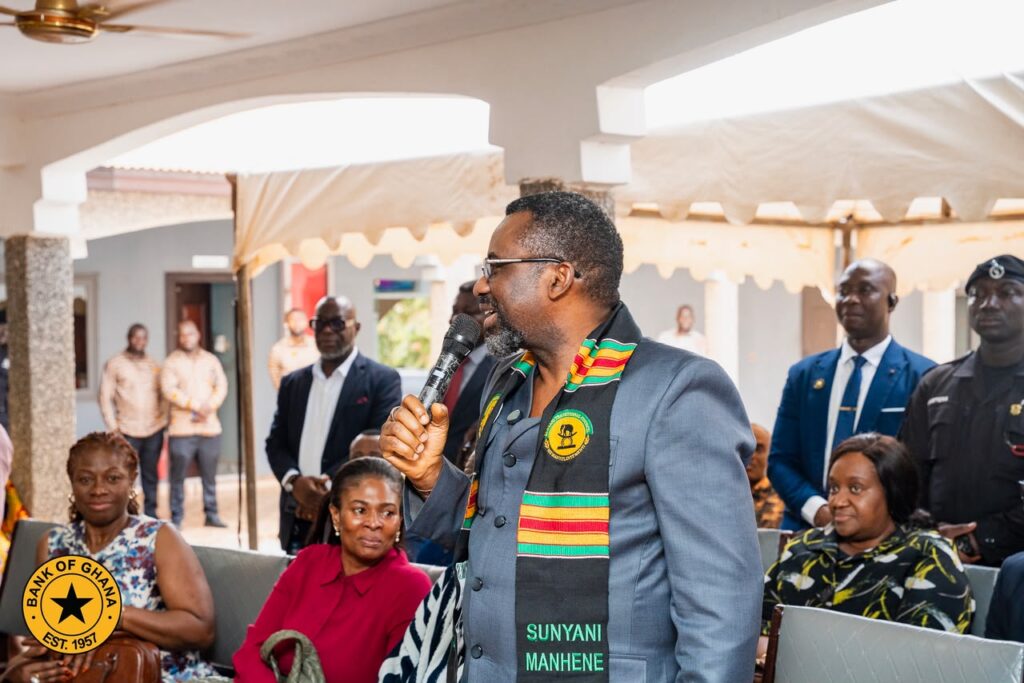
Speaking during a stakeholder engagement programme at Eusbett Hotel in Sunyani, Governor Dr Johnson Asiama assured businesses, investors and the general public that the central bank possesses adequate resources to defend the cedi and maintain confidence in Ghana’s economy.
According to the Governor, there is no reason for panic despite recent fluctuations in the foreign exchange market, stressing that the country’s reserve position remains strong enough to support the economy through uncertain global conditions.
“Our gross international reserves currently stand at US$12.9 billion, which is sufficient to cover the country’s import needs for about five months,” Dr Asiama stated.
He explained that these reserves provide the Bank of Ghana with a strong financial buffer capable of absorbing external shocks while ensuring stability in the foreign exchange market.
Strong Reserves Offer Confidence
The Governor noted that the sizeable reserve position strengthens the central bank’s ability to respond swiftly whenever pressure builds on the cedi.
He stressed that maintaining confidence in the local currency remains one of the institution’s highest priorities.
“These reserves give us a strong buffer against external shocks and help the Bank of Ghana support stability in the foreign exchange market.”
Governor Dr Johnson Asiama
Dr Asiama added that the central bank will continue implementing policies aimed at preserving the value of the cedi while safeguarding macroeconomic stability.
“This is why the Bank of Ghana will continue to take decisions that protect the value of the cedi, keep inflation low, preserve financial stability, and support sustainable economic growth.”
Governor Dr Johnson Asiama
The Governor said the ultimate objective is to create an economy where businesses can confidently invest, households can make long term financial plans, and citizens benefit from sustained economic growth.
“Our goal is simple: to create an economic environment where businesses can grow with confidence, households can plan for the future, and every Ghanaian can share in the benefits of a stable and growing economy.”
Governor Dr Johnson Asiama
Middle East Conflict Triggered Temporary Pressure
Addressing recent concerns about the weakening of the cedi, Dr Asiama explained that much of the pressure originated from international developments rather than domestic economic weaknesses.
He pointed to the conflict in the Middle East and its impact on global commodity markets, particularly rising oil prices, as key factors that temporarily unsettled exchange markets across many countries.
Despite those global headwinds, he indicated that the cedi has already shown signs of recovery.
The Governor, however, cautioned against complacency, warning that international events continue to pose risks to economies around the world.
“We remain committed to maintaining an orderly and well-functioning foreign exchange market,” he emphasised.
While acknowledging recent improvements, he reminded businesses that global uncertainty remains high and unexpected geopolitical developments could still influence Ghana’s economy.
Policy Rate Maintained at 14 Percent
Dr Asiama also explained why the Monetary Policy Committee decided to maintain the policy rate at 14 percent.
According to him, the committee considered prevailing global risks and concluded that keeping the benchmark interest rate unchanged represented the most balanced approach.
He said policymakers needed additional time to evaluate the economic consequences of geopolitical tensions before making further adjustments.
“We took this decision because we believe it is the right balance. It will help keep inflation under control while supporting businesses, investment, and economic growth. At the same time, it gives us the flexibility to respond to changes in the global economy if necessary.”
Governor Dr Johnson Asiama
The Governor noted that inflation management remains central to the Bank’s strategy because stable prices create a healthier environment for investment, production and job creation.
Economy Continues to Gather Momentum
Despite global uncertainties, Dr Asiama painted an optimistic picture of Ghana’s economic performance.
He revealed that recent economic data point to stronger activity across several sectors, reflecting improving business conditions.
According to him, bank lending has expanded significantly while trade, industrial production and tourism have all recorded encouraging improvements.
“We are seeing increased activity across many parts of the economy, including stronger bank lending to businesses, increased trade, higher industrial production, and a recovery in tourism.”
Governor Dr Johnson Asiama
Another positive signal, he noted, is the growing confidence among businesses and consumers regarding the country’s economic outlook.
This renewed optimism is expected to encourage investment, stimulate production and support broader economic expansion in the months ahead.
Banking Sector Records Impressive Growth
Dr Asiama also highlighted the resilience of Ghana’s banking sector, describing it as one of the strongest pillars supporting the country’s economic recovery.
He disclosed that commercial banks remain well capitalised, customer deposits continue to rise, and the quality of loan portfolios has improved considerably.
Perhaps most significantly, lending to the private sector has accelerated sharply.
According to the Governor, credit extended to businesses and households expanded by more than 41 percent in June this year, compared with approximately 9 percent during the same period last year.
“This means more businesses have access to financing to expand, create jobs, and contribute to economic growth,” he stated.
The impressive increase in private sector lending is expected to strengthen business expansion, improve employment opportunities and stimulate greater economic activity across the country.
The Bank of Ghana’s latest assurances are likely to reassure investors, businesses and households that the country’s economic managers remain prepared to respond to both domestic and international challenges.
With nearly five months of import cover, improving banking sector performance, rising business confidence and stronger economic activity, the central bank believes Ghana is well positioned to withstand external shocks while protecting the cedi and sustaining economic growth.
READ ALSO: Quiet Day Sees Major Losers on GSE