Dr Zanetor Agyeman-Rawlings has set out a stewardship framework for her new portfolio, telling Ghanaians she regards the country’s natural endowment as something held in trust rather than something to be spent.
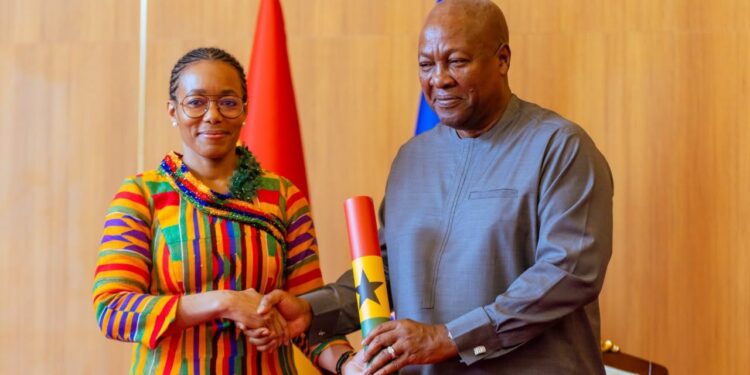
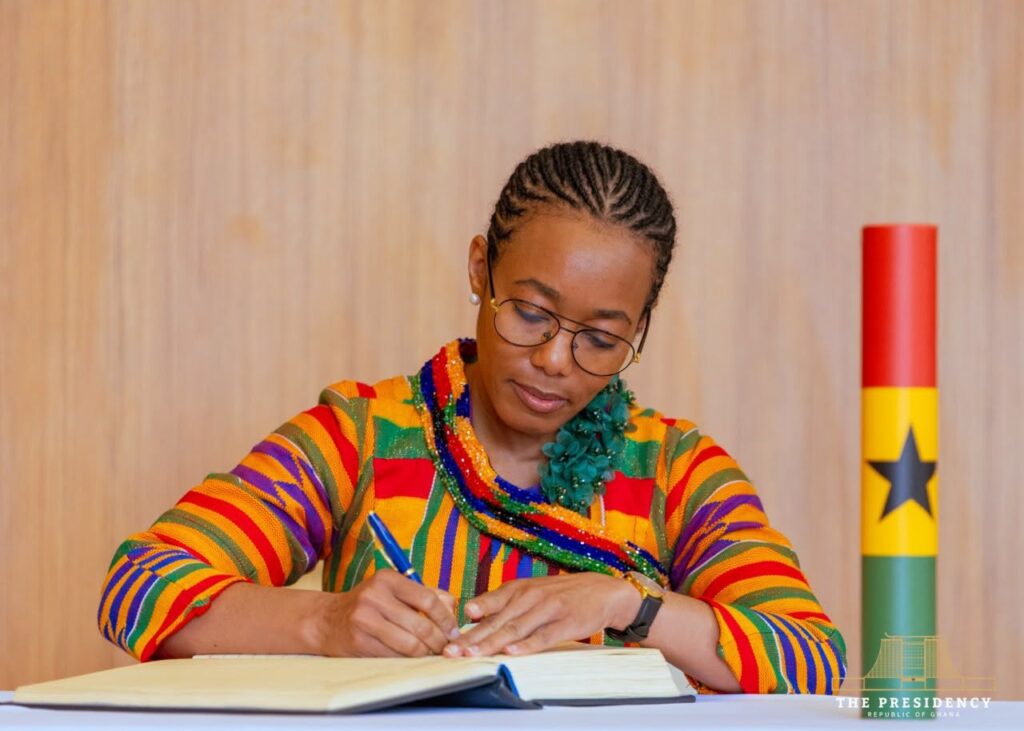
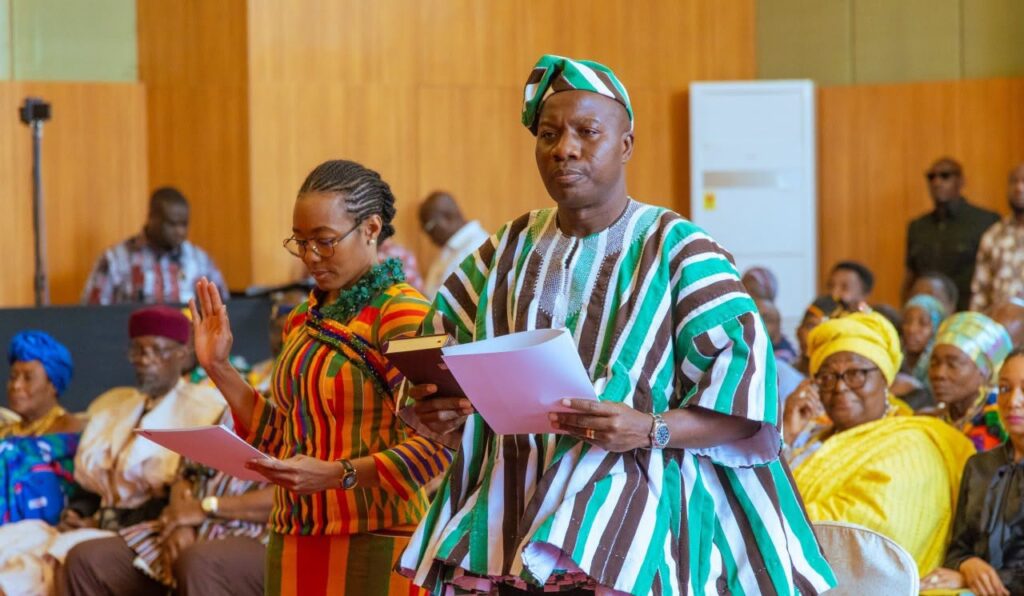
The Member of Parliament for Klottey-Korle issued the statement after President John Dramani Mahama swore her in as Minister for Environment, Science and Technology at Jubilee House on Saturday, August 29, 2026.
Her first public commitment as minister was to listen before acting. She said she would learn and engage with scientists, researchers, innovators, environmentalists, institutions, businesses and communities, framing the ministry’s work as a collaboration rather than a directive from Accra.
An Inheritance Rather Than a Resource
The governing idea in her statement is custodial. “I see our environment not as a resource to exploit, but as an inheritance entrusted to our care,” she wrote, describing Ghanaians as stewards with a duty to protect flora and fauna, water bodies, land, air and natural resources on behalf of the present generation and those to come.
The framing matters for a portfolio that sits at the point where economic pressure meets environmental limit. Ghana’s forest reserves, river systems and farmland have all been degraded by activity that generates immediate income, and the trust language sets up an argument that the state has obligations to people who cannot yet make claims on it.
She returned to the theme in describing her own position, saying she comes to the role as a steward of what the President has entrusted to her, and that the ministry’s work is ultimately about the Ghana left behind rather than the people currently occupying office.
Research Must Leave the Lecture Hall
On the science and technology half of the brief, Dr Agyeman-Rawlings made a specific demand of Ghana’s research establishment. Research must move beyond academia into practical partnerships between government, the private sector, civil society, communities and universities.
She attached outcomes to that instruction, naming job creation, industrial strengthening, improvements in agriculture and healthcare, and the construction of a more innovative and competitive economy. “Science, technology and innovation can unlock a new chapter in the country’s development”, she wrote.
The complaint about research that stops at publication is a familiar one in Ghanaian policy circles, where universities produce work that rarely reaches commercial application. Her formulation puts commercialisation and community application inside the ministry’s mandate rather than leaving it to the institutions themselves.
Naming the Challenges
Dr Agyeman-Rawlings did not soften the scale of what she inherits. She listed the management of climate change, environmental degradation, illegal mining, waste management, pollution and the sustainable use of natural resources as the challenges before the ministry, and described them as significant.
What those problems require, she said, is courage, innovation, collaboration and, above all, decisive action.
The emphasis on decisiveness aligns with the charge she received at the ceremony, where the President said his administration would continue to act firmly against those who place private profit above the collective wellbeing of Ghanaians, having named the destruction of forests and water bodies through illegal mining as among the gravest threats to national survival.
Duty, Sacrifice and Stewardship
The statement opened with thanks to God and to the President for the confidence placed in her, and moved quickly to the terms on which she understands the office. Public service is first a call to duty, sacrifice and stewardship, she wrote, adding that she does not take the responsibility lightly.
She closed on a measure of performance that sets aside rank. The ultimate test of public office is not the position occupied, but the lives touched, and the difference made, she said, committing herself to integrity, humility and purpose.
She asked Ghanaians for their prayers, support, ideas and partnership, describing the task as bigger than any one individual.
What She Told Parliament
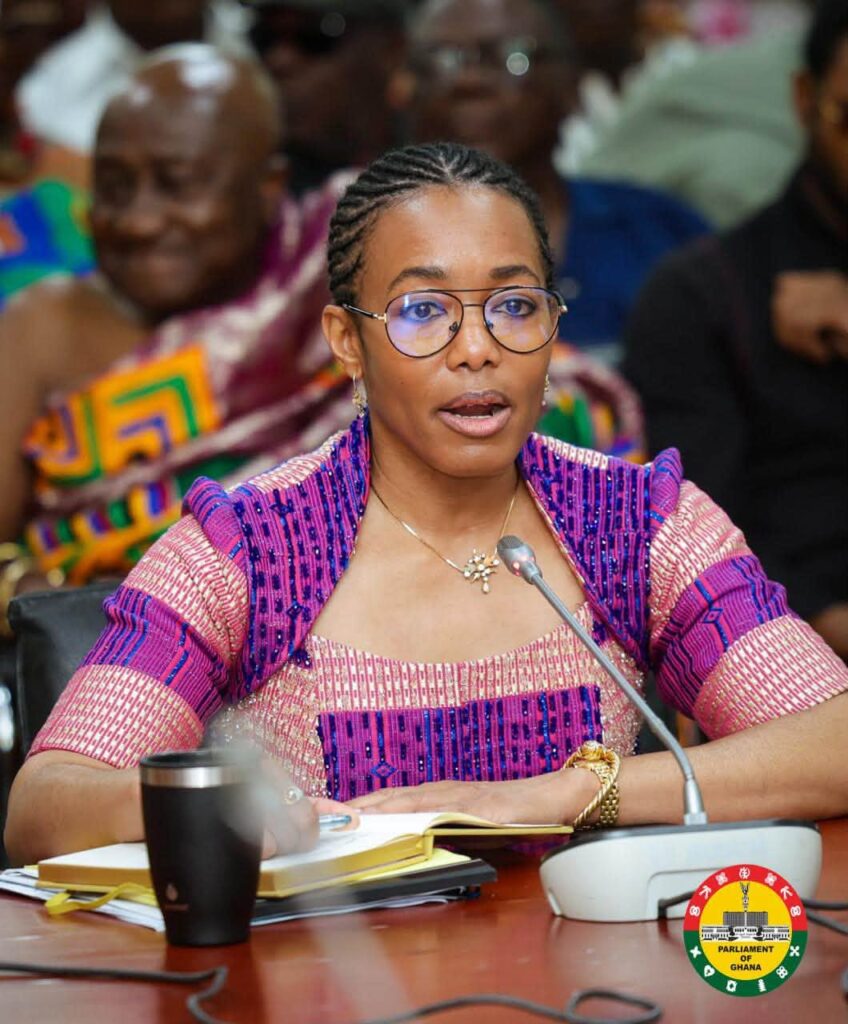
The statement follows a set of more specific undertakings made at her vetting before the Appointments Committee on Thursday. There she committed to strengthening monitoring at Ghana’s ports of entry to track hazardous chemicals entering the country, and said underground water, soil and farmland would be monitored to establish how far mercury has spread.
She also told the Committee that Ghana would pursue opportunities in carbon dioxide trading through development of a carbon market with World Bank support, raised the possibility of converting plastic waste into fuel, and pointed to the need for improvement in sewage and solid waste handling.
Asked about artificial intelligence, she argued for appropriate legislative safeguards and human oversight to secure transparency and accountability in how public agencies deploy the technology.
Parliament approved her nomination the same day, on the report of the Appointments Committee, and the House adjourned its emergency sitting on Friday.
A Portfolio Vacant for a Year
Dr Agyeman-Rawlings takes over a ministry that has been without a substantive head since the Ghana Armed Forces helicopter crash of 6 August 2025, in which her predecessor Dr Ibrahim Murtala Muhammed died alongside Defence Minister Dr Edward Omane Boamah and six others.
President Mahama nominated her on 7 August this year, almost exactly a year after the crash. A medical doctor by training and a three-term MP for Klottey-Korle, she has served on the parliamentary committee that shadows the ministry she now leads.
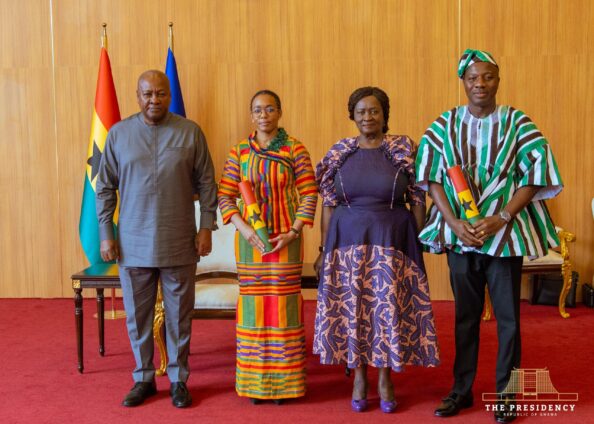
She is the daughter of former President Jerry John Rawlings and former First Lady Nana Konadu Agyeman-Rawlings. The President has asked her to work closely with Mahama Ayariga at Local Government, since sanitation, land use planning, waste management and climate resilience cut across both ministries.
The first measure of the stewardship she describes will be whether the mercury assessment she promised Parliament produces figures the public can see.
READ ALSO: New Refining Rule Tests Ghana’s Bid to Convert Commodity Strength into External Stability