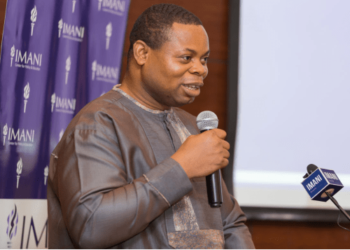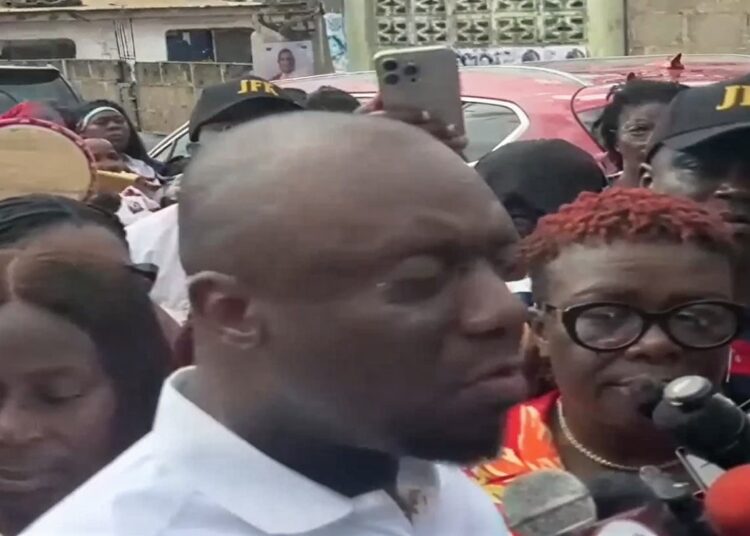
The General Secretary of the New Patriotic Party, Justin Kodua Frimpong, has highlighted his role in maintaining unity and stability within the party as he seeks to retain his position in the party’s upcoming internal elections. Mr Frimpong made the assertion after undergoing vetting as part of a four day exercise being organised by the NPP Elections Committee for aspirants seeking various national executive positions.
The exercise is part of preparations towards the party’s internal elections, with aspirants expected to demonstrate their readiness to lead the NPP as it rebuilds its structures and prepares for the 2028 general elections. Speaking after the exercise, the General Secretary pointed to measures introduced during his tenure as evidence of his contribution to the party’s stability in opposition.
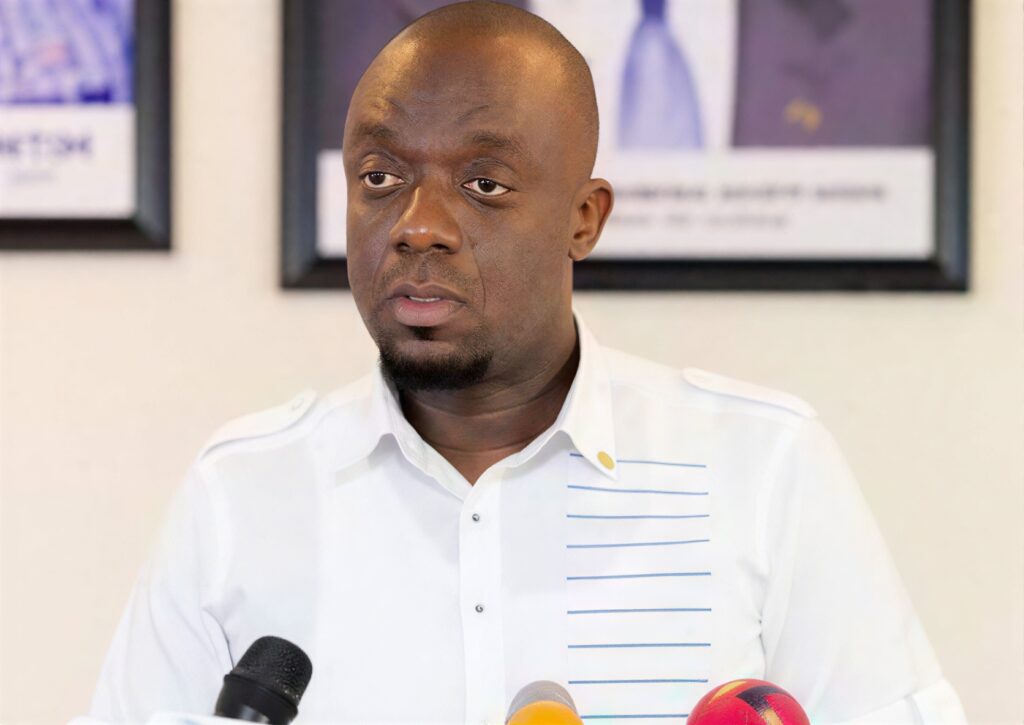
A major decision he referenced was the party’s choice to organise its presidential primary ahead of the other internal elections. The move represented a departure from the NPP’s previous approach and was intended to provide an early sense of direction for the party.
According to Mr Frimpong, the decision initially generated resistance from sections of the party and attracted criticism from some commentators in the media. With time, however, the arrangement has gained wider acceptance as a measure that helped create calm within the organisation.“That sole decision that we took has saved the party and brought peace and stability into the party”, he added.
The General Secretary argued that the political environment require deliberate steps to prevent internal competition from developing into prolonged divisions. Consequently, the leadership prioritised an arrangement that could settle the question of the party’s presidential candidate early and give the organisation sufficient time to prepare for the next national contest.
His defence is a wider explanation of why he believes his experience remains relevant to the NPP. The emphasis was placed on continuity, internal coordination and the ability to manage competing interests during a period when the party is operating from opposition.
Furthermore, Mr Frimpong indicated that his responsibilities have exceeded the management of day to day party affairs. He has also participated in the reorganisation of the party and efforts to amend its constitution to respond to changing political circumstances.
These initiatives are significant institutional work required to strengthen the NPP beyond individual electoral cycles. The changes are also intended to improve the party’s internal structures as it prepares for another presidential and parliamentary contest.
NPP Vetting Tests Leadership Record Ahead Of Internal Elections
The NPP’s four-day vetting exercise has opened another stage in the party’s preparations to elect national executives who will oversee its reorganisation ahead of the 2028 general elections. Mr Frimpong’s appearance before the Elections Committee placed his bid for another term under scrutiny as delegates prepare to assess competing candidates for key positions within the party.
The exercise is expected to give aspirants an opportunity to account for their previous responsibilities and outline the experience they would bring to the party’s next phase. For the General Secretary, the discussion significantly demonstrates why he remains suitable for the position after the NPP’s defeat in 2024.
Responding to that question, Mr Frimpong pointed to the scale of the electoral setback and the circumstances surrounding voter participation. He noted that the NPP’s presidential vote declined from approximately 6.7 million in 2020 to 4.6 million in 2024.
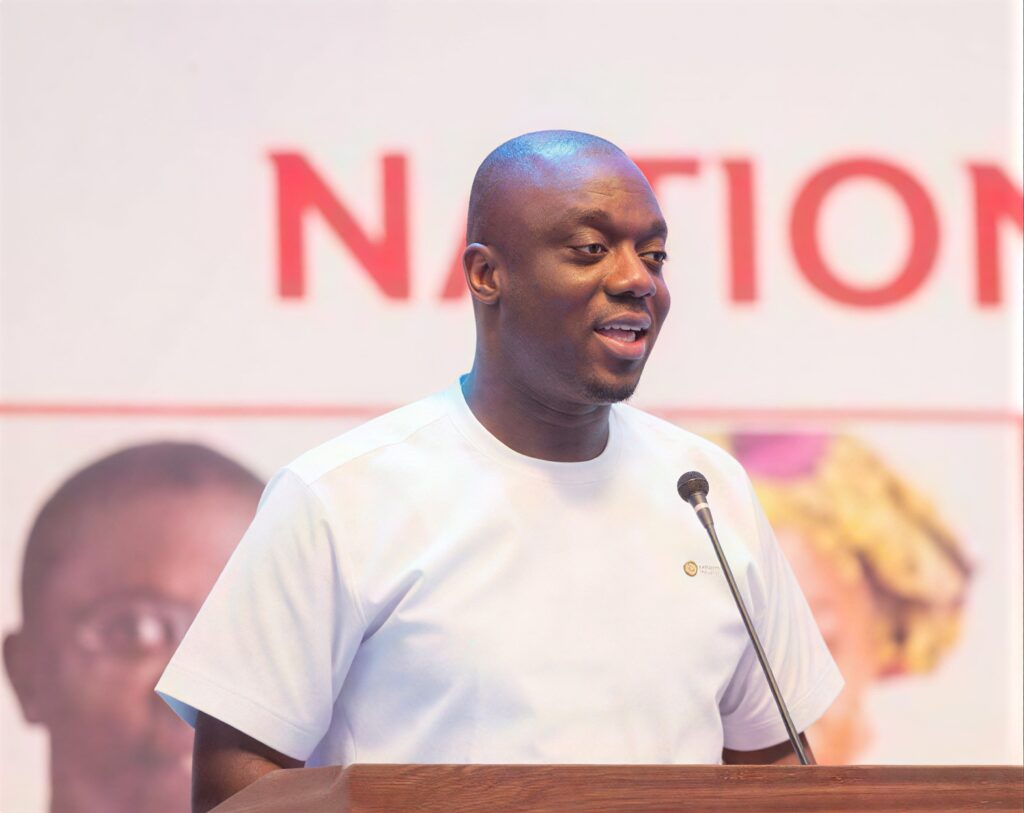
The figures, he argued, showed that a substantial number of people who supported the party in the previous election did not participate in the 2024 poll. Such a reduction in turnout, he explained, inevitably affected both the presidential and parliamentary outcomes.
Beyond voter turnout, the General Secretary also referred to the broader political cycle in which the election took place. He indicated that political parties seeking to return to power often face difficult conditions when voters are inclined towards a change of government. “There were so many factors that went against us in the 2024 elections,” he explained.
Against this backdrop, the NPP has been compelled to examine its structures and strategies as it prepares for its next electoral challenge. The internal elections will therefore determine the leadership team responsible for translating the lessons from 2024 into organisational action.
The restructuring process has also involved changes to the party’s constitutional arrangements. Participation in constitutional amendments, alongside the reorganisation of the party, was cited as part of the work undertaken during the current administration.
These developments provide a basis for assessing whether the current leadership should receive another mandate. The contest is consequently expected to centre on both individual records and the direction delegates want the NPP to pursue before 2028.
The vetting process is also significant because national officers will play a central role in coordinating the party’s grassroots structures. Their responsibilities will include strengthening internal organisation, supporting constituency structures and preparing the party for future electoral campaigns.
READ ALSO: Africa’s Solar Boom Tests Ghana’s Energy Strategy