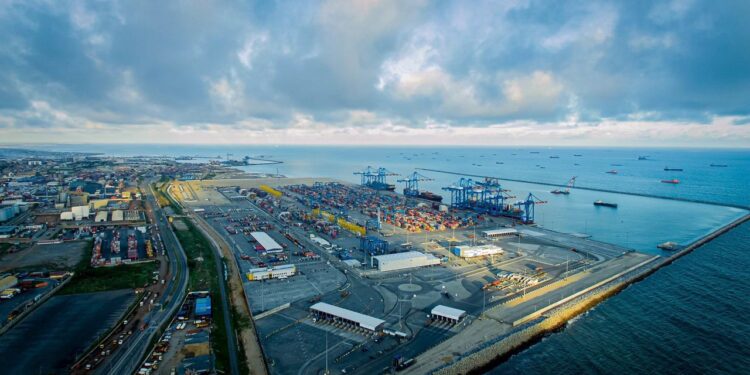
Bank of Ghana data show Ghana’s trade surplus increased to US$8.8 billion in the first half of 2026, yet reserves declined by US$0.9 billion as energy-related payments rose, highlighting why strong exports do not automatically translate into a larger foreign-exchange buffer.
Ghana entered the mid-2026 with one of its best merchandise trade positions in years. Exports climbed to US$18.29 billion in the first half, against imports of US$9.48 billion, resulting in a trade surplus of US$8.81 billion.
The surplus was about 53 percent larger than the US$5.76 billion recorded over the same period in 2025, supported mainly by gold and cocoa revenues. The Bank of Ghana labelled the external sector as having “recorded a strong performance” despite a high surge in the import bill.
Yet gross international reserves moved in the opposite direction. Reserves fell from US$13.8 billion at end-December 2025 to US$12.9 billion at end-June 2026, while import cover declined from 5.7 months to 5.0 months. This seeming paradox is the real economic story.
Trade Strength Real, But Only One Part of the External Account
A trade surplus means Ghana gained more from goods exports than it spent on goods imports. It does not mean every export dollar ends up in the Bank of Ghana’s reserves.
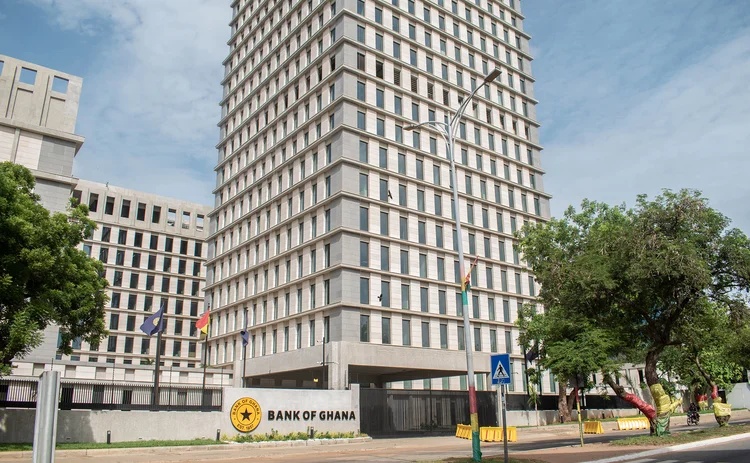
The current account includes services, investment income and transfers. In the first half of 2026, Ghana’s current-account surplus was at US$5.10 billion, well below the US$8.81 billion merchandise surplus.
Bank of Ghana balance-of-payments (BoP) data show why. Net services recorded a shortfall of about US$3.12 billion, while the primary-income deficit reached roughly US$2.88 billion. These outflows absorbed part of the foreign exchange generated by goods trade. The external position nevertheless remained favourable. The Bank says the stronger current account, together with a larger capital-account surplus, improved the overall balance of payments. The reserve decline therefore reflects payment pressures, not a collapse in external inflows.
For Ghanaian firms, the mechanism is viable. Exporters bring foreign currency into the economy, while importers, shipping companies and businesses meeting foreign supplier interest or profit obligations are simultaneously demanding it.
Energy Payments Are Absorbing Part of the Export Windfall
The Bank of Ghana says the reserve reduction mainly reflected elevated energy-related payments arising from the Middle East conflict. Ghana still relies on imported petroleum products and energy inputs. Oil imports accounted for about US$3.35 billion in the first half of 2026, about 35 percent of the merchandise import bill.
When international energy prices surge, Ghana spends more dollars even if fuel volumes change little. Importers require more foreign exchange to settle essential energy bills, and those payments compete with other demands on the country’s external resources.
This explains why strong gold receipts can coexist with pressure on reserves. Gold generated about US$12.50 billion in the first half of 2026, more than 68 percent of merchandise export earnings, but those foreign-exchange inflows are not locked away. The economy must still pay for fuel, machinery, services and external obligations.
Why the Reserve Decline Matters Beyond the Central Bank
The US$0.9 billion fall does not mean Ghana has returned to external distress. At US$12.9 billion and five months of import cover, the Bank of Ghana says reserves still provide “adequate buffers for the economy to withstand external shocks.”
But the direction matters. Reserves are the country’s liquid insurance when foreign-exchange inflows weaken or external payments suddenly rise. They also affect confidence in the cedi and the central bank’s capacity to smooth disorderly foreign-exchange conditions.
For businesses, stronger reserves reduce the risk that a temporary dollar shortage becomes a severe exchange-rate shock. For households, that matters because sharp depreciation can raise the cedi cost of imported fuel, medicines, machinery and other inputs that eventually feed into prices. The issue is therefore not simply how many dollars Ghana earns, but how consistently the economy preserves enough of those inflows after meeting external obligations.
Ghana Must Convert Commodity Strength Into Durable FX Capacity
The first-half numbers show that Ghana’s export engine is powerful, but highly concentrated. Gold alone accounted for more than two-thirds of merchandise exports.
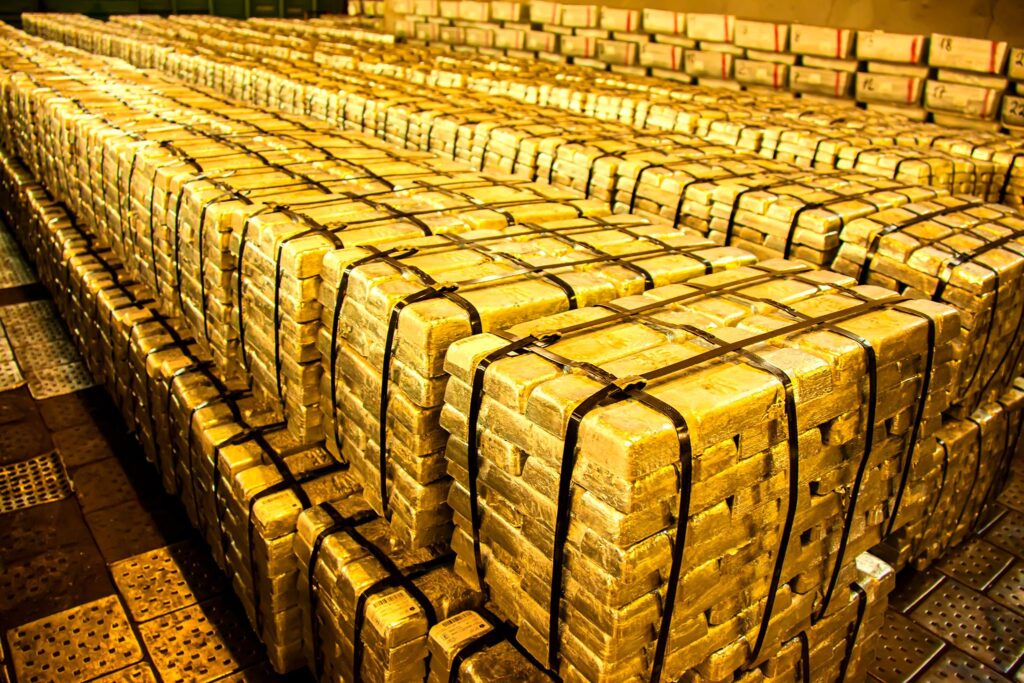
That concentration has helped produce the trade surplus, but it leaves Ghana exposed to a commodity price determined outside the country. A fall in gold prices or production could reduce export receipts just as an energy shock raises the import bill.
The more durable response is to widen the sources of foreign exchange while reducing structural demands that repeatedly absorb it. That means stronger non-traditional exports, more domestic value addition, competitive services exports, reliable remittance inflows and lower exposure to imported energy.
Ghana’s US$8.8 billion trade surplus is a major external-sector gain, but the reserve decline is a warning against reading the trade balance in isolation. The next test is whether Ghana can turn strong export earnings into sustained reserve accumulation after paying for the foreign goods, services and obligations the economy still depends on. That distinction, between earning foreign exchange and retaining enough of it, will determine how durable the external recovery becomes.
READ ALSO: New Refining Rule Tests Ghana’s Bid to Convert Commodity Strength into External Stability