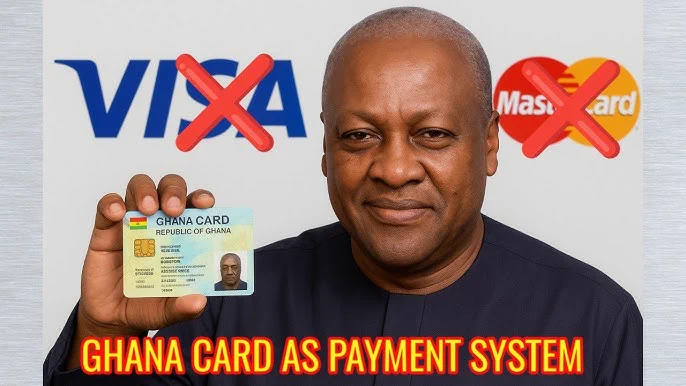
The Ghana Card is preparing for a major change that could change how millions of Ghanaians make and receive payments.
The National Identification Authority (NIA) is working toward activating an e-wallet feature that will allow Ghana Card holders to link their bank accounts and load mobile money balances, potentially turning the national identity card into a powerful everyday financial tool.
NIA Executive Secretary Wisdom Kwaku Deku disclosed the development, saying the rollout will happen in phases as consultations with key stakeholders, including the Bank of Ghana, advance.
The proposed e-wallet would become the third functional profile on the Ghana Card, joining the digital identification function and the e-passport feature that became operational in 2022.
That development could mark a significant shift in the role of the national ID. Rather than simply proving who a person is, the card could increasingly become a gateway to financial services.
Bank transfers and mobile money on one platform
Under the planned system, Ghana Card holders would be able to use the card as an authentication tool when making and receiving payments.
The proposed functionality would bring bank transfers and mobile money services closer to the identity infrastructure already used by millions of Ghanaians. Instead of relying solely on traditional cards or individual financial institutions, the system could provide another channel through which people interact with their money.
The NIA has been working on the financial integration for several months. However, expectations of an earlier launch had to be tempered after reports emerged that the wallet could be introduced in April.
The NIA subsequently clarified that discussions with stakeholders were still ongoing.
Mr Deku has now indicated that the consultations have reached an advanced stage, suggesting that the project is moving closer to implementation.

Biometrics and PIN to guard the wallet
Security is expected to sit at the heart of the proposed digital wallet.
According to the NIA official, the wallet will be secured through users’ biometrics and a Personal Identification Number (PIN). The combination is intended to provide an additional layer of protection as the Ghana Card takes on financial responsibilities.
The security arrangement could become particularly important as digital payments continue to expand across the country. A system that connects financial transactions directly to a verified national identity would need strong safeguards to protect users and limit fraudulent activity.
Officials believe the identity-based approach could help reduce fraud while also making financial services more accessible to people who remain outside the formal banking system.
Millions could be brought into digital finance
The scale of the Ghana Card programme gives the proposed wallet enormous potential reach.
More than 20 million Ghanaians have reportedly been registered for the Ghana Card. Integrating a digital wallet into an identity credential already held by such a large section of the population could bring financial services closer to people who may not have conventional banking cards or extensive relationships with financial institutions.
The concept also fits into Ghana’s broader push toward financial inclusion and a more cashless economy.
A payment facility linked to a trusted national ID could reduce some of the barriers that unbanked and underserved Ghanaians face when accessing financial services. The identity credential itself could become part of the payment process.
The initiative could also create a sovereign payment infrastructure that is not dependent on a single bank or card network, potentially giving Ghana greater control over an important part of its digital financial ecosystem.
Ghana follows a wider digital identity trend
The proposed Ghana Card wallet reflects a broader international movement to make national identification systems more useful beyond basic identification.
Countries are increasingly exploring ways to transform national IDs into digital credentials that can connect citizens to government and private-sector services.
Malaysia provides a recent example. The country has begun issuing a new generation of its MyKad national ID featuring biometric QR verification and an optional wallet function aimed at streamlining digital Know Your Customer processes for commercial entities.
Ghana’s planned approach similarly points toward a future where identity, authentication and financial services become increasingly connected.
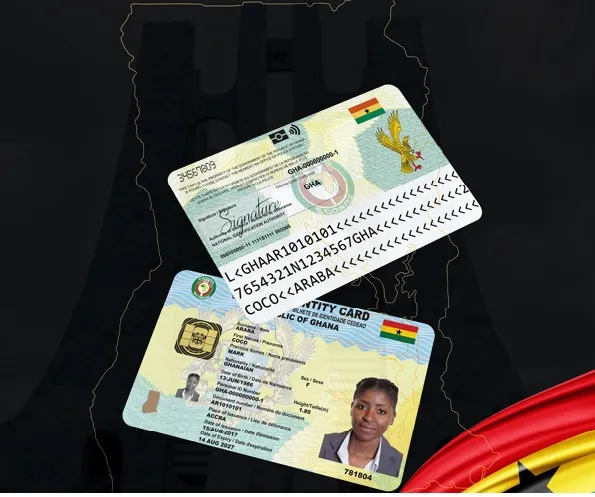
NIA plans more Ghana Card upgrades
The wallet is not the only change being considered for the Ghana Card.
Mr Deku also disclosed plans for the NIA to introduce a circumstance app that would allow cardholders to update important changes in their personal circumstances.
The proposed application is expected to support updates involving employment, marital status and residential address.
The authority is also pursuing expanded newborn enrolment at hospitals, which could strengthen the process of establishing identity from an early age.
Taken together, these initiatives point to an evolving Ghana Card ecosystem. What began primarily as a national identification project is steadily developing into a broader digital platform that could influence how Ghanaians access public services, establish identity and conduct financial transactions.
The proposed e-wallet therefore represents more than another payment option. If successfully implemented, it could push the Ghana Card deeper into everyday economic life, placing banking, mobile money and secure digital identification closer together in a single national system.
READ ALSO: Northern Mining Plan Targeted To Reduce ‘Kayayei’ Migration To South