Ghana’s transition towards a more electrified economy is creating a safety challenge that cannot be solved by adding generation capacity or expanding the electricity network alone: the quality of the materials carrying power must keep pace with the systems being built around them.
That concern is behind the Ghana Standards Authority’s decision to equip its Tamale office with electrical cable-testing equipment capable of identifying substandard products, strengthening the Authority’s ability to move quality assurance closer to where electrical materials are being sold and used.
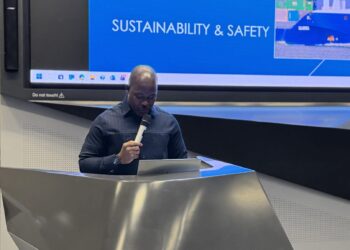
The development, announced by the GSA’s Northern Regional Manager, Basim Alhassan, at the 25th Electrical Wiring Certification Awards Ceremony in Tamale, gives the Authority an additional tool to test cables rather than relying on visual inspection or supplier claims.
The ceremony also saw 181 electrical professionals from northern Ghana complete the certification process organised by the Energy Commission.
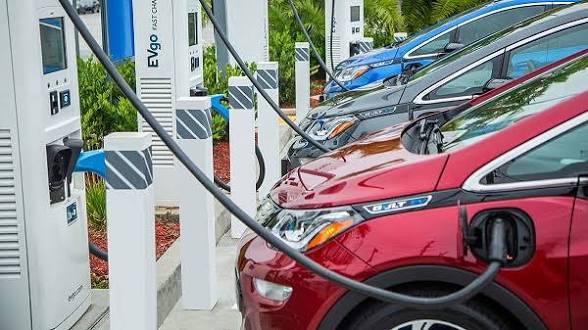
For Ghana’s energy sector, the significance extends beyond electrical workmanship. Cables are fundamental components of virtually every electricity-consuming system, from conventional household installations to industrial facilities, solar systems, electric-vehicle charging infrastructure and battery storage.
The GSA’s intervention therefore comes as Ghana’s electricity landscape is becoming more technologically complex. As more distributed energy systems and electric technologies enter the market, weaknesses in basic electrical components can translate into safety risks, equipment failures and higher costs for consumers.
Quality Becomes Critical As Ghana Electrifies
Ghana’s energy transition is increasingly involving technologies that depend on safe and reliable electrical installations.
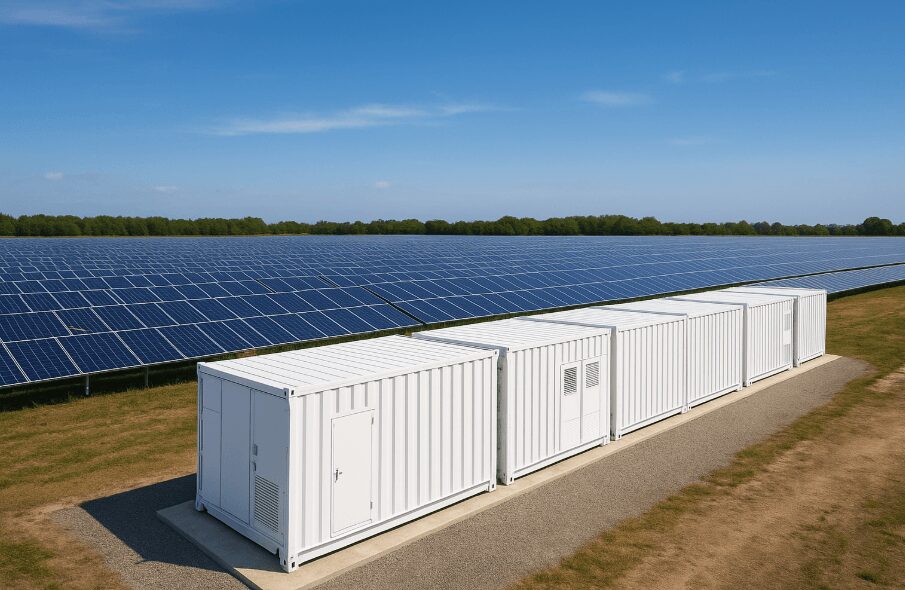
Solar photovoltaic systems require appropriately rated cables and accessories. Electric-vehicle charging infrastructure places additional demands on electrical installations, while battery-storage systems introduce another layer of electrical and safety requirements.
This means that the quality of the cable connecting a system to the wider electrical network is not a minor procurement consideration. It can affect the integrity of the installation itself.
Mr Alhassan captured the issue directly when he warned that a technically sound installation could still be compromised by poor-quality components.
“An electrical installation can be well designed and properly installed, but if the cables and accessories are of poor quality or do not meet the required standards, the safety of the entire installation fails.”
Basim Alhassan, Northern Regional Manager, Ghana Standards Authority
The statement points to a gap that is sometimes overlooked in energy-sector discussions. Much of the attention surrounding electricity reliability focuses on generation, transmission and distribution infrastructure.
Yet the final stage, the equipment through which electricity is actually delivered and consumed, also determines whether that investment translates into safe and dependable energy use.
The GSA’s engineering function already covers physical testing of electrical and electronic products, including cables, solar-energy appliances, sockets and switches.
The deployment of testing capability in Tamale consequently gives the quality-control system a more regional footprint.
Regional Testing Could Strengthen Market Surveillance
The Tamale equipment forms part of the GSA’s wider Electrovigilance Project, which is intended to improve the safety and quality of electrical cables and products.
The Authority has previously installed cable-testing equipment in six regional offices, including Tamale, as part of the project. The equipment was intended to strengthen regional testing capacity and equip staff with the technical skills needed to operate it.
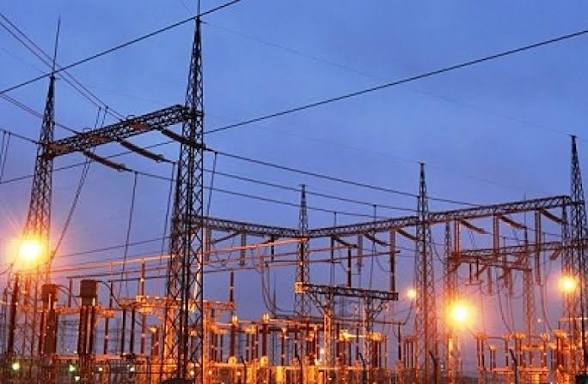
The importance of that decentralisation lies in enforcement.
A regulatory system can establish standards nationally, but the effectiveness of those standards ultimately depends on whether products circulating in different markets can be identified and tested.
For consumers and contractors outside Accra, having testing capacity within the northern part of the country potentially reduces the distance between the market and the regulator.
Mr Alhassan said the equipment would allow stakeholders to verify cable quality instead of judging products by appearance or relying exclusively on claims made by suppliers.
The GSA is also piloting cable testing under the Electrovigilance Project in the Ashanti and Volta Regions ahead of a planned nationwide rollout.
Testing Is Becoming An Energy-Sector Infrastructure
The development matters because poor-quality electrical materials can impose costs well beyond the initial purchase price.
An inferior cable may fail prematurely, require replacement or contribute to damage elsewhere in an electrical installation. In more serious cases, defective or inappropriate materials can compromise safety.
For businesses, that can mean equipment downtime and additional maintenance expenditure. For households, it can mean repeated replacement costs or risks to property and personal safety. For the wider electricity system, widespread use of inappropriate materials undermines efforts to create a more dependable electrical environment.
That makes standards enforcement an economic issue as much as a technical one.
Ghana’s electrical-wiring framework already places responsibilities on professionals and facility owners. The Energy Commission says the Electrical Wiring Regulations, 2011 require periodic inspection and testing of public and commercial facilities ten years after their initial installation and use.
The quality of the materials installed therefore sits alongside the competence of the person installing them.
Certification of electricians addresses one side of the equation. Testing cables addresses another.
The New Technologies Raise The Stakes
The timing is particularly important as Ghana expands its use of solar power, electric mobility and other technologies that require increasingly sophisticated electrical installations.
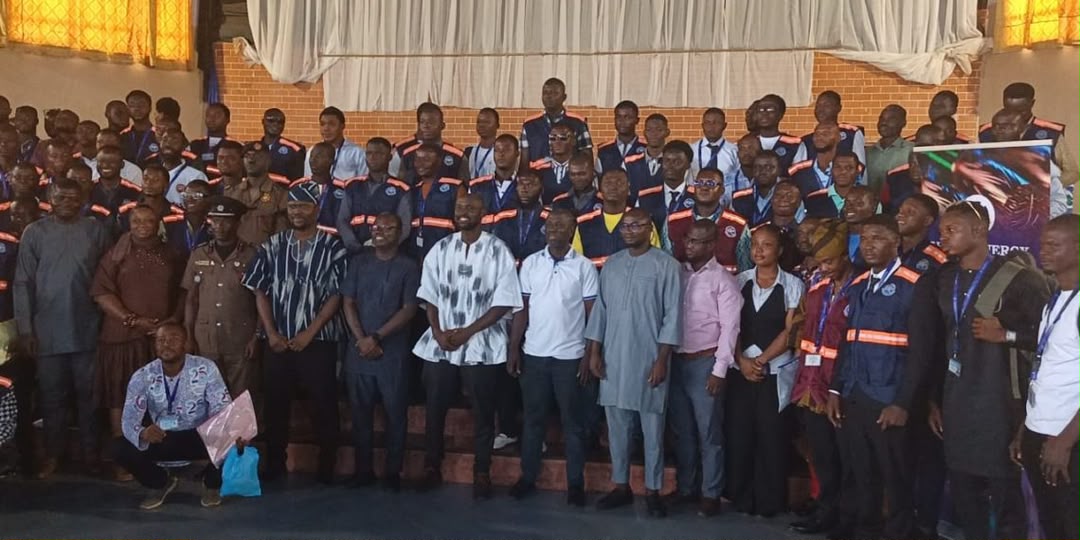
The Tamale certification ceremony was held under the theme, “Setting the Standards: Powering Ghana’s Future – EV, Solar and Beyond,” reflecting the connection between professional standards and the changing structure of electricity demand.
Mr Alhassan urged newly certified professionals to keep pace with emerging technologies and highlighted the growing opportunities created by electric vehicles and solar systems.
He also referred to proposed Electric Vehicle Charging Station and Battery Swap Systems Regulations, 2026, which had been laid before Parliament by the Energy Commission.
That emerging regulatory environment creates a second challenge: standards cannot remain static while technology changes.
An electrical installer trained primarily around conventional household wiring may encounter very different technical requirements when installing a solar system, EV charger or battery-storage system. The expansion of these technologies consequently requires continuous professional development as well as updated product standards.
The revision of Ghana’s Wiring Code, GS 1009, is therefore significant. Mr Alhassan linked the revised code to the emergence of technologies such as solar systems, electric vehicles and battery storage.
The underlying issue is straightforward: Ghana cannot modernise its energy system with new technologies while allowing the supporting standards and skills base to remain anchored in older practices.
Consumer Protection Must Move Beyond The Label
The other important dimension is consumer awareness.
The GSA has been working to make conformity and product verification more accessible, including through digital approaches intended to help consumers establish whether electrical and electronic products have passed the Authority’s quality checks.
But consumer protection becomes more meaningful when verification is backed by physical testing and market surveillance.
A product may carry attractive packaging or appear technically sound without meeting the required specifications. Testing provides the regulator with a means of examining what is actually inside the market rather than relying solely on documentation.
That distinction becomes particularly important where consumers are motivated by price.
Lower-cost electrical materials can appear attractive at the point of purchase, particularly for households and contractors facing rising construction and installation costs. But if the apparent saving comes from compromising product quality, the eventual cost can be considerably higher.
The challenge for regulators is therefore to ensure that legitimate price competition does not become competition based on the use of inferior materials.
“Safety Cannot Be Negotiated.”
Mr Alhassan urged electrical professionals, contractors and other stakeholders in northern Ghana to engage the GSA and Energy Commission where they have concerns about cable quality.
He also warned electricians against sacrificing quality in an attempt to reduce installation costs.
That message places responsibility across the supply chain. Manufacturers and importers must meet standards; suppliers must distribute compliant products; electricians must use approved materials; regulators must test and enforce; and consumers must demand evidence of conformity.
No single intervention can close the quality gap.
Building A Safer Foundation For Electrification
The GSA’s expanded testing capability in Tamale is therefore best understood as part of a larger effort to make Ghana’s electrification ambitions safer and more sustainable.
The country’s energy needs are changing. Solar generation is expanding, electric mobility is emerging and electricity is becoming increasingly important to industrial and commercial activity.
Each development increases the amount of electrical equipment being installed and the consequences of getting basic components wrong.
The 181 newly certified professionals in Tamale add another layer to that evolving system. Their certification provides evidence of professional competence, but the quality of the materials they use remains equally important.
For the energy sector, the lesson is that reliability begins much closer to the consumer than the national grid.
Generation capacity can be expanded. Transmission lines can be reinforced. Distribution networks can be upgraded. But if the final electrical installation relies on materials that fail to meet the required standard, part of the investment in the wider energy system remains exposed.
Ghana’s next phase of electrification will consequently require more than infrastructure and technology. It will require an ecosystem in which the people installing electrical systems are qualified, the products entering the market are tested, the rules are regularly updated and consumers have practical means of identifying compliant equipment.
The GSA’s cable-testing equipment in Tamale is one piece of that architecture. Its broader value will ultimately depend on how effectively the testing capability is used to identify non-compliant products, strengthen enforcement and ensure that the rapid evolution of Ghana’s energy system does not outpace the standards designed to keep it safe.
READ ALSO: Parliament Condemns Continued Detention of Manhyia South MP By EOCO