GCB Bank is stepping up its support for micro, small and medium-sized enterprises (MSMEs), offering eligible businesses unsecured loans of up to GH¢1 million as it seeks to tackle one of the biggest barriers limiting access to formal financing.
The initiative, which removes the need for traditional collateral in qualifying cases, forms part of the bank’s broader strategy to help Ghanaian businesses strengthen their operations, improve their financial records and gain access to funding.
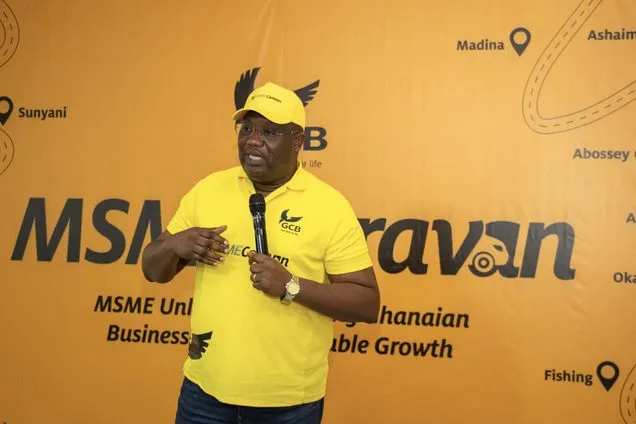
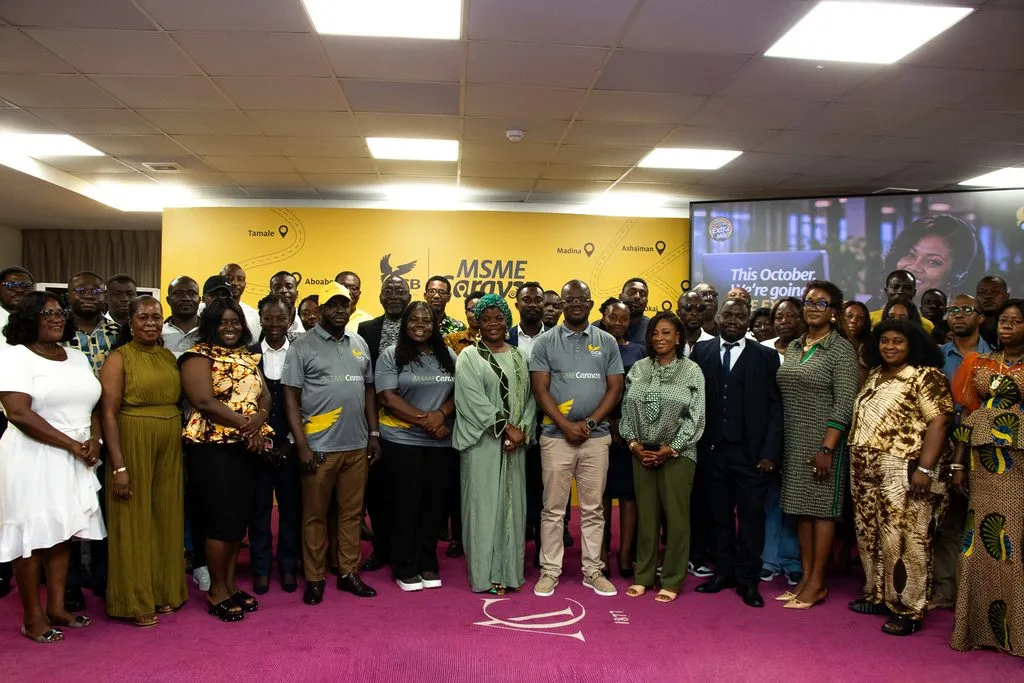
Speaking to the media after GCB Bank’s MSME Caravan Clinic in Accra, held under the theme “MSME Unlocked: Powering Ghanaian Businesses for Sustainable Growth,” the bank’s Head of Micro and Small Enterprises, Cedric McAddy, said poor record-keeping and inadequate documentation continue to make it difficult for smaller businesses to secure financing.
Poor Records Keep MSMEs Out Of Formal Finance
Many MSMEs operate with limited financial records, making it difficult for banks to assess their performance and repayment capacity. McAddy said this remains a major challenge when smaller businesses approach formal financial institutions for funding.
“MSMEs have a challenge with accessing financing, especially from financial institutions, based on poor record keeping and their inability to have documentation as required by financial institutions.”
Cedric McAddy
GCB is responding by helping businesses generate better transaction records through payment collection and digital banking solutions.
“But at GCB, what we’ve done is that we are actually reaching out to the customers and so we are giving them collection solutions and so we are helping them receive payments from their customers.”
Cedric McAddy
The bank has about 300 field operatives who visit customers and collect sales, while digital payment channels also enable businesses to receive money electronically.
The transaction data generated through these activities gives GCB a clearer picture of how businesses operate. That information can then support the bank’s assessment of customers when determining their eligibility for financing.
GH¢1 Million Credit Without Collateral
The most striking part of the initiative is GCB’s unsecured financing offering, which could give eligible MSMEs access to significantly larger amounts of credit without pledging traditional collateral.
“Today we are giving unsecured loan of up to a million cedis to our MSMEs without collateral, without the need for annual statements, without the need for them to leave large amounts in their accounts. All based on the turnover.”
Cedric McAddy
The approach places business turnover at the centre of the financing assessment, potentially opening opportunities for enterprises that generate strong sales but lack substantial physical assets that can traditionally be offered as security.
McAddy said GCB was deliberately working to close the gap between the information banks typically require and the realities faced by smaller businesses. “And so we are bridging the gap between the information required and the challenges MSMEs are having through these initiatives. And by doing that we are able to provide credit across the country,” Mr McAddy said.
GCB has several unsecured loan products, with the amount available depending on the needs and circumstances of individual customers.
Digital Banking Becomes A Business Tool
GCB’s support extends beyond credit. The bank is also promoting digital tools designed to help MSMEs collect payments, manage their operations and conduct banking activities more conveniently.
One of the solutions highlighted by McAddy is the bank’s SoftPOS service, which allows businesses to accept mobile money and card payments using their phones. The bank also provides stock management tools to help enterprises improve how they monitor their businesses.
Mobile banking is another major component of the strategy.
“We allow our MSMEs to have access to their accounts and to operate via mobile app. On the phone, MSMEs are able to do all their transactions as required by banks without the need for them to have laptops or tablets and without the need for them to walk into the branches.”
Cedric McAddy
Businesses can also access physical collection services and point-of-sale solutions. GCB allows customers to open accounts online and apply for loans without necessarily visiting a banking hall.
These tools could be particularly useful for entrepreneurs who spend most of their working hours serving customers rather than travelling to branches to complete banking transactions.
Formalisation Could Unlock More Opportunities
Despite the expanded financing options, McAddy stressed that business formalisation remains critical.
He urged MSMEs to register their businesses and establish proper structures to make it easier to build relationships with financial institutions.
“It is important MSMEs try to formalise, to try and register their businesses so that it is easy for them to deal with financial institutions, so we can support them. At GCB we are helping businesses formalise.”
Cedric McAddy
Formalisation can give businesses a stronger foundation for maintaining records, managing transactions and building a financial history that lenders can evaluate.
The bank is also positioning its MSME support as part of a wider effort to promote business sustainability and employment.
“These are some of the things that GCB is putting out there, to help bring our MSMEs to run their business in a sustainable way.”
Cedric McAddy
GCB Links MSME Growth To Jobs
McAddy also encouraged aspiring entrepreneurs, including unemployed graduates with viable business ideas, to approach the bank for assistance. “If you have a business idea, come to GCB, let’s discuss, let’s help you with our ideas and our resources to help you grow,” he said.
The push comes at a time when MSMEs remain an important part of Ghana’s business community, providing livelihoods and employment across different sectors.
GCB is inviting businesses across the country to join its MSME ecosystem, combining financing, digital banking, payment solutions and business support.
The bank’s strategy ultimately places greater emphasis on using actual business activity to understand customers. By linking transaction data and turnover with financing decisions, GCB is seeking to give more viable MSMEs a route into formal credit while encouraging them to build businesses with stronger structures and more sustainable operations.
READ ALSO: Ghana Inflation Rises to 5.2% as Domestic Pressures Persist