Japan has lodged a formal protest with Russia over the arrest of a Japanese journalist on suspicion of espionage, demanding an explanation from Moscow, access to the detainee and assurances that he will receive humane and fair treatment.
Kimitake Nakamura, Head of the European Affairs Bureau at Japan’s Foreign Ministry, summoned Russian Ambassador Nikolay Nozdrev today, Wednesday, October 14, 2026, to protest the arrest and Russia’s announcement of the case without prior explanation to the Japanese government, according to a statement from the ministry.
Nakamura called on Moscow to allow Japanese officials to contact the journalist and ensure his welfare while the case proceeds.
The journalist, identified by Russia’s Foreign Ministry as Yuki Imai, works for the Hokkaido Shimbun newspaper. Russia’s Federal Security Service (FSB) said he was suspected of collecting information about the country’s defence capabilities on behalf of a Japanese intelligence agency.
The FSB, Russia’s main successor to the Soviet-era KGB, said Imai was arrested on Sakhalin Island as he was preparing to leave the country.
Hokkaido Shimbun said that the journalist had been reporting in Russia on a journalist visa and was scheduled to depart yesterday. The newspaper did not publicly identify him by name.
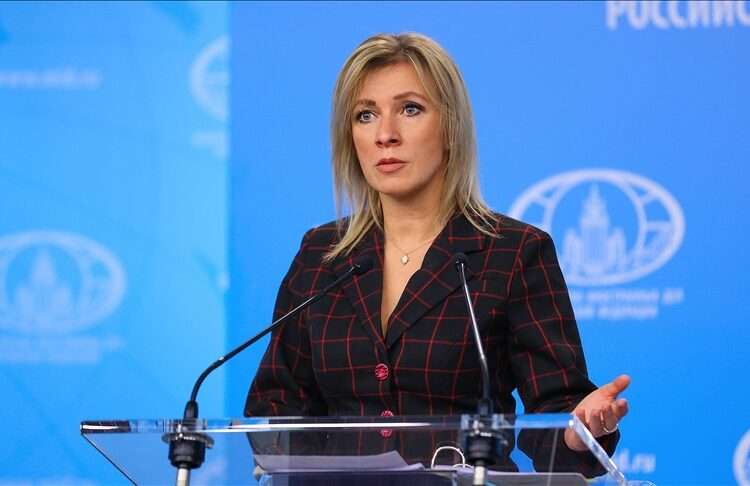
Russian Foreign Ministry Spokesperson, Maria Zakharova said yesterday that Imai had been charged with espionage. She accused Japan of using journalists operating in Russia to collect information intended to undermine Russian security, describing the alleged conduct as “regrettable.”

Zakharova also criticised Japan’s policies towards Moscow and its military expansion, arguing that they threatened Russia’s security interests in the Far East. “The incident will further dampen the atmosphere in Russian-Japanese relations,” she said.
The arrest has added to existing tensions between Tokyo and Moscow, whose relationship has been strained by security disagreements, Russia’s war in Ukraine and a longstanding territorial dispute over islands in the Pacific.
Japan Demands Consular Access As Tensions Rise
Japan’s government said that it had been unable to establish contact with the detained journalist, leaving officials without information about his health.
Chief Cabinet Secretary Minoru Kihara said earlier that the journalist’s condition remained unknown because Japanese representatives had not been allowed to contact him.
He added that Russia had not responded to Tokyo’s requests for access. “We’ll do everything we can for the protection of the Japanese citizen,” Kihara said.
He acknowledged that Japan had “many problems” with Russia but stressed the importance of maintaining communication between the neighbouring countries.
Kihara said that Tokyo recognised the need to manage bilateral relations appropriately and would take steps to protect Japan’s national interests.
Japan’s protest reflects concerns over the treatment of its citizen and the lack of direct communication with him following his arrest. Tokyo has called for consular access and a clear explanation of the allegations against the journalist.
Nozdrev told Nakamura that he would relay Japan’s position to Moscow, according to the Japanese Foreign Ministry.
The case comes amid a series of diplomatic disagreements between the two countries, including disputes over the Kuril Islands, which Russia controls and Japan claims as its Northern Territory.
Japan’s Foreign Ministry said that Nakamura reiterated Tokyo’s territorial position during the meeting with the Russian Ambassador. He also protested a recent visit to Iturup, one of the disputed islands, by officials from a Chinese regional government and companies, describing the visit as “unacceptable.” The Sakhalin regional government announced the visit on Tuesday.
Kuril Islands Dispute Complicates Bilateral Relations
The journalist’s arrest follows renewed tensions over the disputed Kuril Islands, a Moscow-controlled archipelago in the Pacific that Japan also claims.
The dispute intensified after Russian President Vladimir Putin visited Iturup in August, prompting a protest from Japanese Prime Minister, Sanae Takaichi. Tokyo described the visit as another setback for relations already strained by Russia’s full-scale war against Ukraine.

Earlier this month, Japan imposed additional economic sanctions on Moscow over the war.
The territorial disagreement dates back to the final days of World War II, when the Soviet Union seized the islands from Japan. The dispute has prevented the two countries from signing a peace treaty formally ending hostilities.
Sakhalin region encompasses Sakhalin Island and the four southernmost islands of the Kuril chain, which remain under Russian control despite Japan’s claims.
The overlapping disputes over territory, security and the war in Ukraine have complicated efforts to improve relations between Tokyo and Moscow.
Russia’s espionage allegations against Imai introduce another point of friction, with Japan seeking access to its citizen and an explanation of the circumstances surrounding his detention.
While Moscow has outlined its suspicions and announced the journalist’s arrest, Japan has focused on securing consular contact and ensuring his treatment. The journalist’s health remains unknown to Japanese officials, according to Kihara.
The latest dispute underscores the challenges facing both governments as they attempt to manage their relationship amid competing security interests and unresolved territorial claims.
READ ALSO: Judge Extends Order Blocking Trump’s White House Press Ban