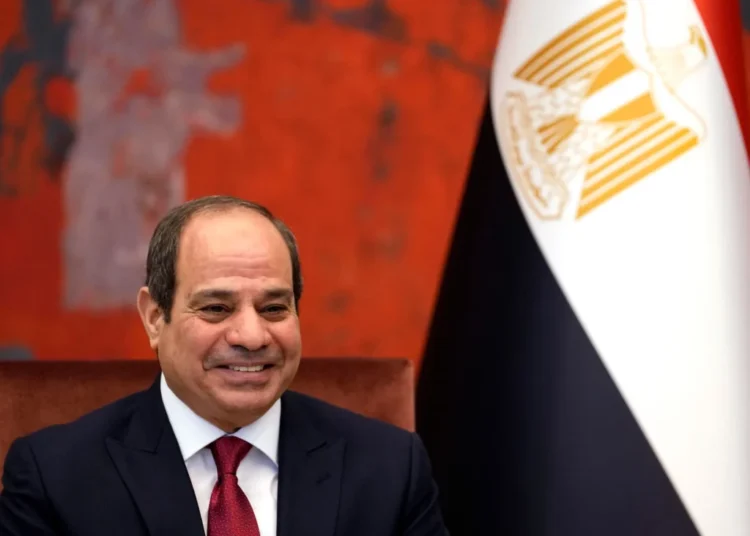
Egyptian President Abdel Fattah el-Sisi has declared that he will remain in office until the end of his current presidential term in 2030, describing the question of his departure as settled and ruling out changes to the country’s constitution.
President Abdel Fattah el-Sisi made the remarks during a graduation ceremony at the Egyptian Military Academy, where he also highlighted efforts to prepare a new generation of leaders to assume responsibility for the country’s future.
“The year 2030 will mark the end of my presidential term. This matter is completely settled. I will not leave the Egyptian state until it is brimming with its own people capable of shouldering responsibility.”
Abdel Fattah el-Sisi
Sisi’s statement firmly places 2030 as the end of his current six-year presidential term.
Egyptian President Abdel Fattah el-Sisi first came to power in 2013 after leading a military coup that removed Mohamed Morsi, Egypt’s first democratically elected president. His rise to power marked a significant turning point in the country’s political trajectory following the upheaval of the Arab Spring.
Since then, his administration has faced sustained criticism from human rights organisations over its treatment of political opponents, restrictions on dissent and the detention of activists.
Rights groups estimate that more than 60,000 prisoners of conscience are held in Egyptian prisons, including over 1,000 women.
They have also raised concerns about deaths in custody linked to alleged medical neglect and inhumane detention conditions. Mohamed Morsi and several opposition figures are among those who have died in detention.
Against this background, Sisi’s latest remarks place renewed attention on the question of political succession and the future of governance in Egypt as the country approaches the end of his current term.
Regional Conflicts Place Egypt Under Growing Security Pressure
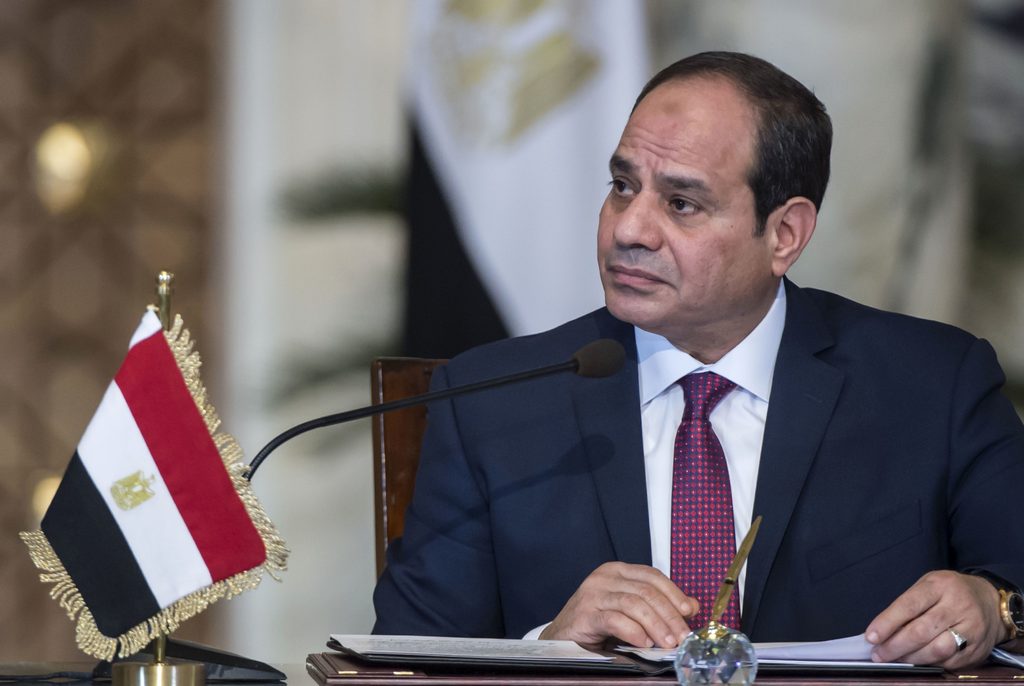
Egyptian President Abdel Fattah el-Sisi’s declaration comes amid heightened tensions across the region, with Egypt navigating a complex set of security relationships involving neighbouring countries and Gulf states.
Earlier, Egypt’s Foreign Minister reaffirmed Cairo’s support for Saudi Arabia amid its conflict with Yemen’s Houthi movement, emphasising the connection between Gulf stability and Egypt’s national security.
According to the Foreign Minister, “Gulf security is integral to Egypt’s national security and our solidarity with Saudi Arabia.”
Egypt is also closely involved in the conflict in neighbouring Sudan, where the Sudanese Armed Forces are fighting the paramilitary Rapid Support Forces, which are backed by the United Arab Emirates.
A recent report indicates that an Egyptian air strike reportedly killed civilian workers at a gold mine along the Egypt-Sudan border, adding to the security concerns surrounding the conflict.
Also, relations with Ethiopia remain strained. Cairo views Ethiopia’s growing regional influence as a potential strategic challenge, while the two countries have a longstanding dispute over the Grand Ethiopian Renaissance Dam, which Egypt considers a major concern for its water security.
The combination of these disputes places Egypt at the centre of several overlapping regional tensions, requiring its government to balance diplomatic engagement, military preparedness and national security priorities.
Egypt Deepens Regional Coordination Amid Concerns
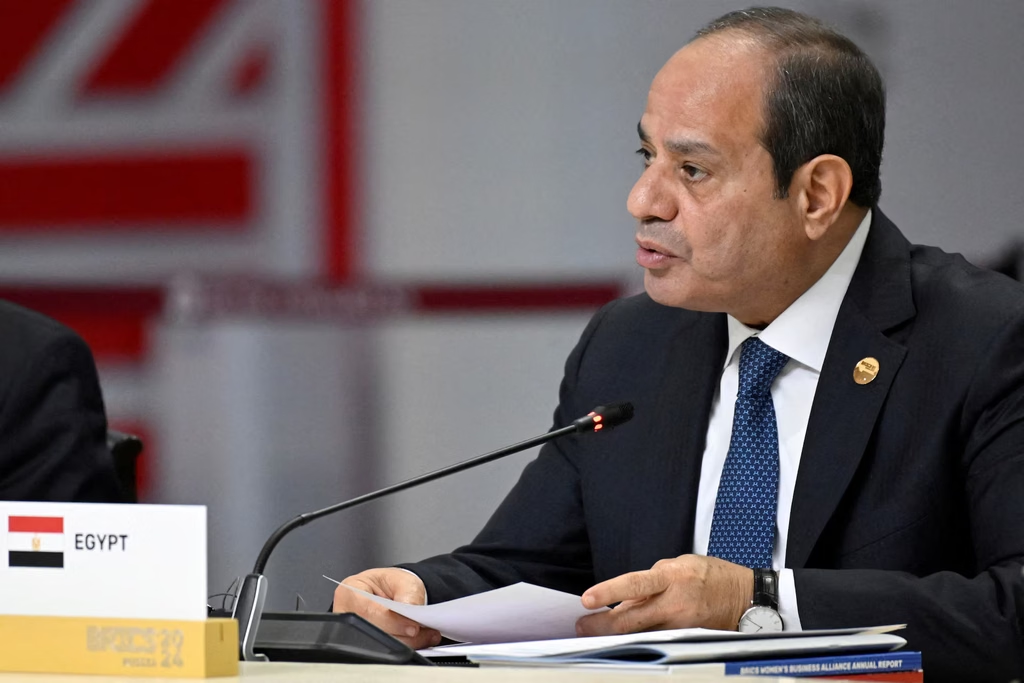
Meanwhile, Egypt has pursued closer security coordination with countries in the Horn of Africa as concerns persist over the possibility of further regional conflict.
Cairo recently hosted a conference involving representatives from Sudan, Somalia and Eritrea to discuss coordinating military and intelligence efforts in the event of an escalation between Ethiopia and Eritrea.
The meeting reflects Egypt’s interest in developments around the Red Sea, a strategically important maritime corridor linking Europe, Asia and the Middle East. The region’s security dynamics have become increasingly significant as competing interests among neighbouring states intersect with wider geopolitical rivalries.
Egypt’s longstanding disagreement with Ethiopia over the Grand Ethiopian Renaissance Dam adds another dimension to these tensions. Cairo has repeatedly viewed the dam’s implications for the Nile’s water flows as a major national security issue, making relations between the two countries a persistent source of diplomatic friction.
Against this backdrop, Sisi has reiterated his intention to leave office in 2030. However, the future of Egyptian politics will depend on more than the timing of his departure, with domestic rights issues, regional tensions and relations with neighbouring countries also likely to shape the country’s direction.
READ ALSO: CDD-Ghana Demands Answers Eleven Months After El-Wak Stampede