
Political scientist Dr John Osae-Kwapong has urged Ghana’s two new Electoral Commission (EC) deputy chairpersons to show integrity, professionalism, independence and fairness in their dealings with political parties and the public.
He made the appeal in an exclusive interview with The Vaultz News after President John Dramani Mahama swore in the deputies on October 12, 2026. The CDD-Ghana Fellow and Director of the Democracy Project argued that how the deputies explain decisions and handle party concerns will shape public confidence in the commission.
His advice follows figures cited by Deputy Chairperson Dr Joseph Kwaku Asamoah, who disclosed that only 33 percent of Ghanaians express some or a lot of trust in the EC.
“Hopefully, the next time that we ask citizens about their trust in the EC, maybe we would see an improvement in that level of trust.”
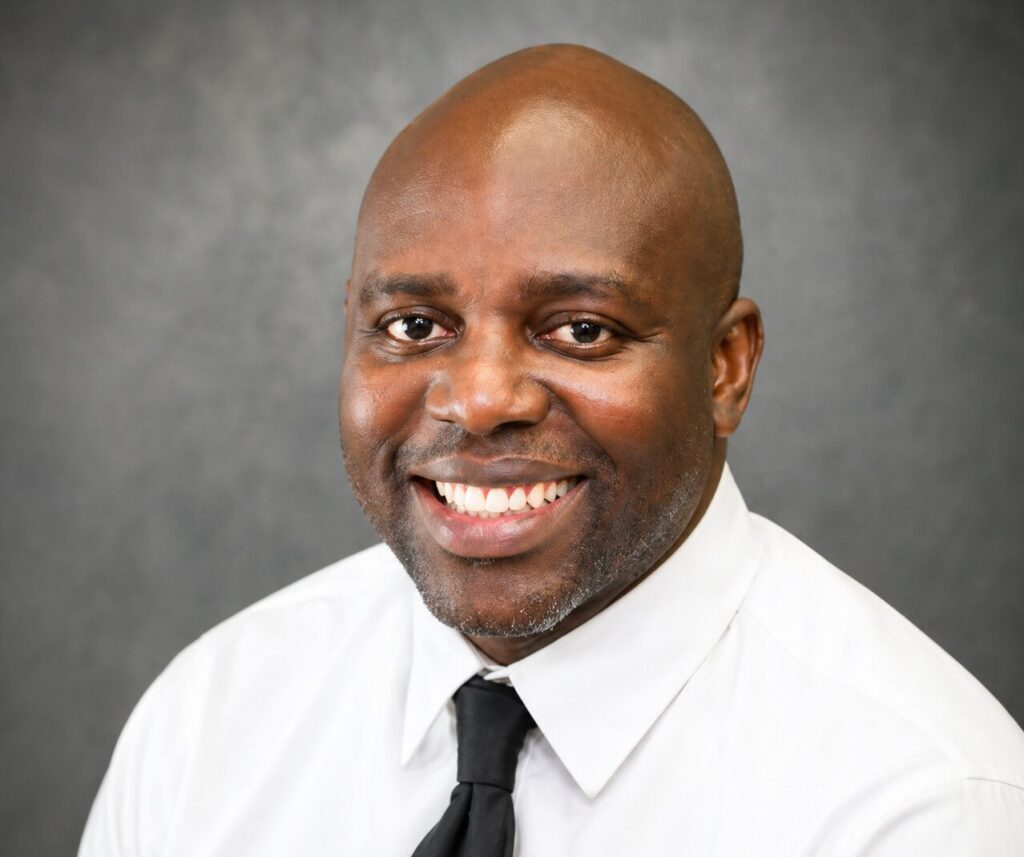
Dr John Osae-Kwapong, Political Scientist, CDD-Ghana Fellow, and Director of the Democracy Project
Dr Asamoah, who serves alongside Emelia Afi Agbenyo, cited Afrobarometer Round 10 findings that put trust in the EC at 33 percent. The same survey series recorded 75 percent in 2005 and 63 percent in 1999. Dr Asamoah noted that the 33 percent figure also appeared after the 2024 general elections.

He described the results as “a call to action and a call to duty.” The numbers frame the task before the new deputies, who took office as the new deputy chair pledged to put the national interest first and to pursue electoral reform.
Principles Must Show in Daily Practice
Dr Osae-Kwapong explained that the principles highlighted by President Mahama and former President Nana Addo Dankwa Akufo-Addo should guide the commission’s leadership. “It goes back to what President Mahama said. It goes back to what former President Akufo-Addo said,” he stated.
He stressed that integrity, professionalism, independence and fairness must show in how commissioners perform their duties and respond to stakeholders, not merely in what they declare.
That matters most when parties dispute the commission’s decisions or electoral processes, he argued, because consistent application of these values gives the public a practical basis for judging the EC’s credibility.
Parties’ Concerns and the IPAC Table
The political scientist singled out engagement with political parties as an area where the deputies can contribute. He pointed to the Inter-Party Advisory Committee (IPAC), where parties raise electoral matters with the commission, as an avenue for building confidence through constructive exchange.
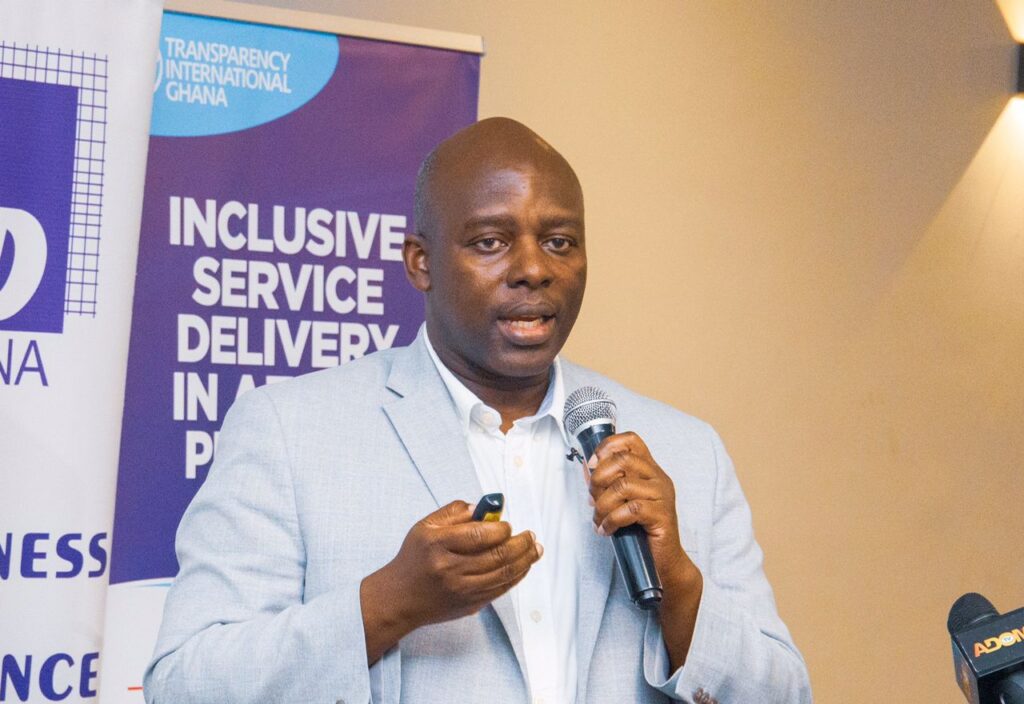
Dr Osae-Kwapong placed weight on tone as well as substance. The test, in his words, lies in “how they explain their decisions of the EC as a body without seeming to dismiss any concerns that any of the political parties may raise.”
His recommendation addresses the perception that party grievances go unheard. Explaining a decision clearly and respectfully, he suggested, can ease that perception even when a party disagrees with the outcome.
Mahama’s Charge Meets the Test of Conduct
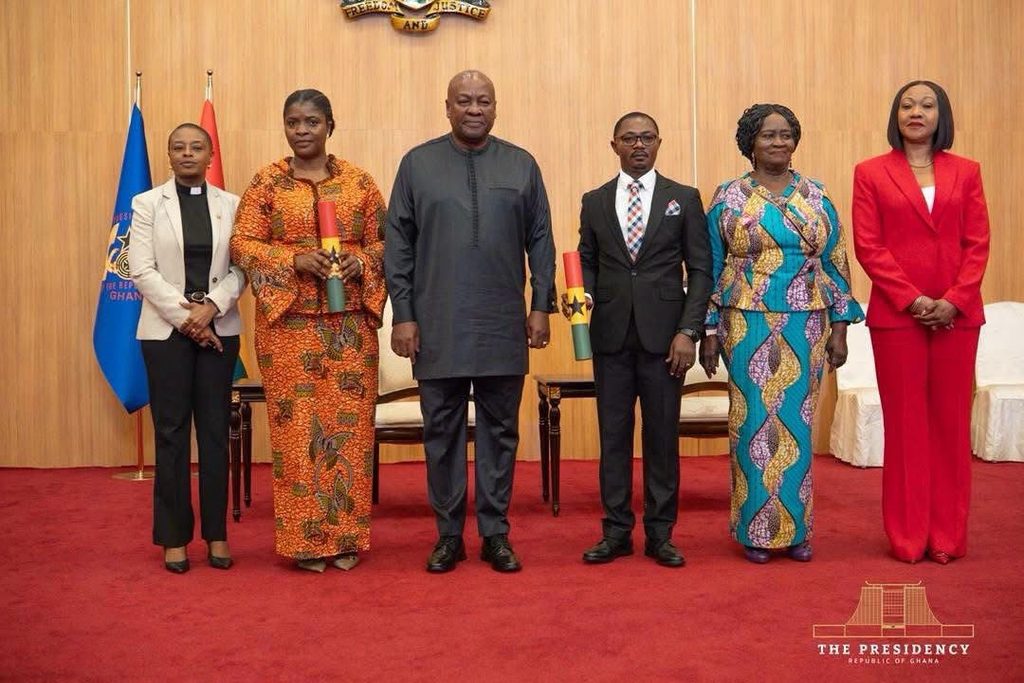
At the swearing-in, President Mahama charged the new deputies not to give his government or party any special treatment. Dr Osae-Kwapong responded that independence and fairness must appear in everyday conduct, including dealings with political actors.
He argued that the deputies should demonstrate impartiality through their professional responsibilities rather than rely on declarations. Their treatment of concerns and their explanations of institutional decisions, he reasoned, will show how they approach their roles.
Two Commissioners Cannot Carry the Load
Dr Osae-Kwapong cautioned against placing the whole burden of restoring trust on the two newcomers. “There are only two people out of five. So they are not the only ones who carry the burden of restoring trust and confidence in the EC.”
The commission has five commissioners, and he maintained that rebuilding confidence is a collective responsibility. The deputies, he added, can still shape how the commission engages the public and the parties through their own conduct, working alongside their colleagues.
Appointment Row Raises the Stakes
The call for trust arrives amid a partisan row over Ms Agbenyo’s appointment. The New Patriotic Party’s Director of Communications, Dennis Miracles Aboagye, has cited Facebook posts and messages attributed to her to question her neutrality. Those remain claims from the opposition.
The NDC’s Deputy Director of IT and Elections, Rashid Tanko, counters that the appointees are competent and qualified. Both sides now watch the same thing Dr Osae-Kwapong urges the public to watch: how the deputies behave once they sit at the table.
For Dr Asamoah, the low trust figures represent a duty. For the new deputies and their three colleagues, the work begins with explaining decisions clearly and listening to the parties who challenge them.
READ ALSO: Ghanaians Still Struggling Despite Inflation Decline, ISSER Reveals