Ghana’s economic recovery is entering a critical phase as the International Monetary Fund (IMF) begins its first review of the country’s Policy Coordination Instrument (PCI), placing renewed attention on the government’s ability to preserve hard-won stability while pursuing stronger economic growth.
The review, which has entered its second week, comes at a time when inflation has eased, the cedi has shown greater stability and policymakers are seeking to rebuild investor confidence following years of economic pressure and debt restructuring.
However, sustaining these gains could prove more difficult than achieving them. Revenue mobilisation, expenditure controls, debt management and the government’s 2027 Budget are emerging as critical tests of whether Ghana can maintain fiscal discipline without slowing its growth ambitions.
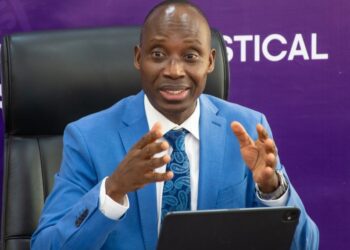
Mr. Richmond Frimpong, Co-Chair of the African SEZ Chamber, said the PCI would allow the IMF to continue monitoring Ghana’s economic direction after the country’s previous financing programme.
“The PCI framework is non-financing,” Frimpong said. “It’s a way to keep an eye from the lens of the Fund on the country’s economy and its transition post stability into critical growth and cost.”
The arrangement marks an important shift in Ghana’s relationship with the Fund, moving attention from financing support towards sustaining policy commitments and demonstrating that recent economic improvements can endure.
IMF Review Puts Ghana’s Recovery to the Test
The ongoing assessment is expected to examine whether the government is maintaining its fiscal and economic targets, including measures covering the period from September through the end of the year.
The discussions also come ahead of the presentation of the 2027 Budget next month, which Frimpong believes will provide an important indication of the government’s priorities as it seeks to consolidate economic stability and stimulate productive activity.
Ghana has described the upcoming budget as a blueprint for what the government calls the “new economy”. The approach is expected to emphasise structural transformation, stronger domestic revenue mobilisation and expenditure directed towards productive sectors.
Yet, the government faces a difficult balancing act. It must generate sufficient revenue to finance public services and development priorities while avoiding excessive pressure on businesses, households and investors.
Frimpong identified revenue mobilisation and expenditure rationalisation as important areas to watch, stressing that the government must broaden the tax base and improve the management of public spending.
A failure to achieve these objectives could weaken the fiscal position and complicate efforts to sustain investor confidence, particularly as Ghana seeks to establish a more durable foundation for economic expansion.

Inflation Gains Face Fresh Threats
Ghana’s improving macroeconomic conditions offer some encouragement, but the outlook remains exposed to several risks that could reverse recent progress.
Inflation has returned to single-digit territory, while improved exchange-rate conditions have helped ease some of the pressures that previously drove up the cost of imported goods and essential commodities.
However, recent inflation movements suggest that price stability cannot yet be taken for granted.
Frimpong pointed to an increase from around 4% to 5.1% as evidence that underlying pressures remain. He identified energy-sector liabilities, food-supply disruptions, election-related expenditure and fluctuations in global commodity prices as potential threats.
“Those are genuine risk factors that are going to challenge the inflationary outlook,” Frimpong said. “The government will have to pay attention to them.”
The energy sector presents a particular concern because accumulated liabilities could create further financial pressure, potentially affecting utility tariffs and raising operating costs for businesses.
Food prices also remain vulnerable to supply disruptions, while increased public spending ahead of the 2028 general election could make it harder to meet fiscal targets in 2027.
These pressures could complicate the work of monetary policymakers if rising costs begin to undermine the inflation gains recorded so far.
24-Hour Economy Faces Delivery Pressure
Beyond maintaining fiscal discipline, the government must demonstrate that its economic transformation agenda can translate stability into tangible improvements in production, investment and employment.
Frimpong argued that existing tax measures and the work of Ghana’s revenue agency were encouraging but insufficient to support the scale of transformation being pursued.
He also raised concerns about the industrial component of the proposed 24-hour economy initiative, suggesting that more work was needed to turn the policy into a meaningful driver of economic activity.
The initiative is expected to encourage businesses to operate beyond conventional working hours, potentially supporting production, employment and investment.
Its success, however, will depend on practical implementation, reliable infrastructure, access to financing and an environment in which businesses can expand without facing excessive operating costs.
A stronger industrial base could also help broaden the tax base, giving the government additional revenue to finance development priorities without relying disproportionately on existing taxpayers.
Bond Buyback Offers Relief From Debt Pressures
Debt management remains another major issue confronting Ghana as it prepares for bond maturities linked to the Domestic Debt Exchange Programme (DDEP), including bullet repayments expected early next year.
The government has announced a proactive debt-management strategy that includes buying back some bonds before maturity. The initiative is intended to reduce the volume of debt falling due and ease the pressure associated with refinancing large repayments.
“The buyback program of the government is just to proactively reduce the volume of bonds that will be maturing under the DDEP. It’s a good way to reduce the risk that comes with the rollover pressure as they are all maturing.”
Mr. Richmond Frimpong
If implemented effectively, the programme could help smooth repayment obligations and strengthen perceptions of the government’s capacity to manage its debt.
However, the ultimate impact will depend on execution, market participation and whether the strategy delivers meaningful relief without creating additional financing pressures.
2027 Budget Could Shape Investor Confidence
Ghana’s first PCI review is unfolding at a decisive point in its economic recovery. The country has made progress in stabilisation, but maintaining that progress will require consistent fiscal management and credible implementation of announced policies.
The 2027 Budget, energy-sector reforms, revenue mobilisation efforts and the proposed bond buyback will provide important indications of whether the government can protect its gains while pursuing growth.
Investors will also be watching how policymakers manage competing demands, particularly the need to fund development, meet debt obligations and guard against renewed inflationary pressures.
The IMF’s continued engagement offers an opportunity to reinforce policy credibility, but the long-term outcome will depend on the government’s ability to turn commitments into measurable results.
Ghana’s challenge is no longer simply to restore economic stability. It is to make that stability durable enough to support investment, industrial expansion and employment without returning to the fiscal pressures that previously threatened the economy.