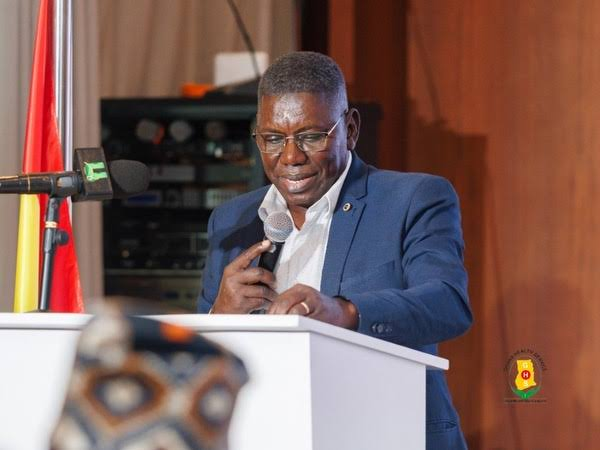
The Ministry of Health has urged Ghanaians to seek immediate medical attention when they experience symptoms of a stroke, warning that delays can cause extensive and irreversible brain damage. Director of Technical Coordination at the Ministry, Dr Hafiz Adams, advised on the launch of Ghana’s first mobile stroke unit by CareFlight Ghana to mark World Stroke Day.
Dr Adams explained that the speed of intervention is critical because an estimated two million brain cells can be lost every minute during a severe stroke. He noted that the mobile unit would help reduce delays by bringing specialised assessment and early treatment closer to patients before they reach a hospital.
“In the most severe stroke, the brain can lose an estimated two million nerve cells every minute that blood flow is involved. Clinicians describe this simply, time is brain.”
Dr Hafiz Adams, Director of Technical Coordination at Ministry of Health
Dr Adams emphasised that stroke treatment depends heavily on how quickly patients receive medical care after symptoms begin. He explained that the loss of brain cells accelerates the consequences of interrupted blood flow, making prompt recognition and intervention essential to limiting damage.
According to him, thrombolysis, a clot-busting treatment used in appropriate cases, works best when administered during the first hours after symptoms appear. As time passes, he explained, the treatment’s benefits decline while its risks increase.
“A few hours can be the difference between the patient who returns to work and one who never walks, speaks or lives independently again,”
Dr Hafiz Adams, Director of Technical Coordination at Ministry of Health
His remarks highlighted the importance of treating stroke as a medical emergency rather than waiting for symptoms to improve. Seeking immediate assistance can give clinicians a better opportunity to assess patients and determine the appropriate intervention within the critical treatment window.
Delays in Reaching Hospitals Threaten Stroke Patients
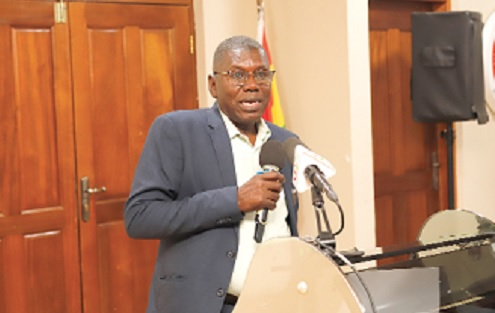
Dr Adams identified delays in accessing emergency care as a major obstacle facing stroke patients. He explained that the challenge often extends beyond the availability of medicines and doctors, pointing to the time required to obtain assistance, travel through traffic and move between healthcare facilities.
Patients may also face delays while waiting for scans, test results and specialist assessments. These stages, he noted, can consume valuable time when brain tissue is already at risk.
“For too many patients, the greatest obstacle is not the lack of a drug or a doctor. It is the journey,” he explained, describing the sequence of calls for help, transfers and waiting periods that can slow treatment.
He warned that every handover can add to the delay, reinforcing the need for emergency systems that bring assessment and treatment closer to patients. The mobile stroke unit is intended to address some of these challenges by changing where critical care begins.
Mobile Stroke Unit Brings Hospital Capabilities to Patients
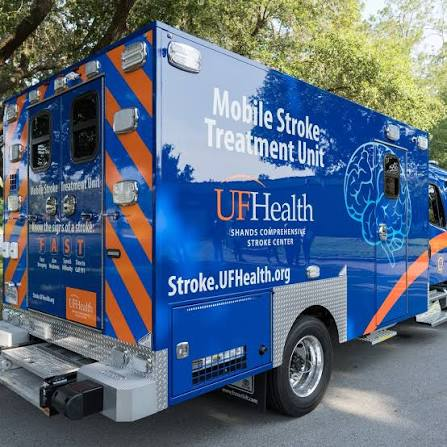
The launch of Ghana’s first mobile stroke unit introduces a specialised emergency response option designed to support faster assessment and treatment.
Dr Adams explained that the unit carries a multi-slice computed tomography (CT) scanner, a point-of-care laboratory and telemedicine connectivity that allows specialists to support clinical decisions.
These facilities enable medical teams to assess patients and conduct appropriate scans outside a conventional hospital setting. Where clinically appropriate, the team can also initiate clot-busting treatment before the patient arrives at a hospital.
Dr Adams described the approach as a significant shift in emergency healthcare because it brings essential early hospital care directly to the patient. Rather than relying entirely on patients reaching a facility before assessment begins, the unit allows some critical steps to take place at the scene or during the journey.
The availability of scanning equipment and laboratory testing on board can support timely clinical assessment, while telemedicine connectivity links the response team with specialists. The unit is therefore designed to reduce the time between symptom onset, diagnosis and treatment for eligible patients.
CareFlight Ghana’s Initiative Marks World Stroke Day

CareFlight Ghana launched the mobile stroke unit as part of activities marking World Stroke Day, introducing a service intended to improve the response to stroke emergencies.
Dr Adams congratulated those who contributed to making the initiative possible, describing it as a meaningful advancement in emergency healthcare. He stressed that its value lies not simply in transporting patients faster, but in bringing critical assessment and treatment to them earlier.
“It does not merely speed up the ambulance; it brings the first critical hour of hospital care to the patient,”
Dr Hafiz Adams, Director of Technical Coordination at Ministry of Health
The Ministry’s appeal to the public remains clear: anyone experiencing stroke symptoms should seek immediate medical attention. With timely intervention central to limiting brain damage and reducing complications, the mobile stroke unit offers a new approach to overcoming delays that can determine whether patients recover their independence or face lasting disability.
READ MORE: Akandoh Pushes Contractors to Accelerate La Hospital Project Completion