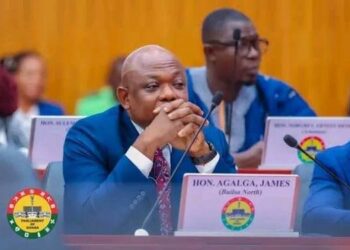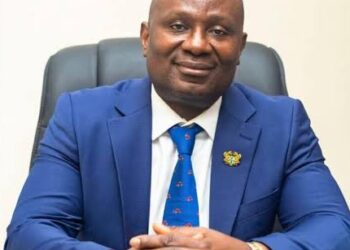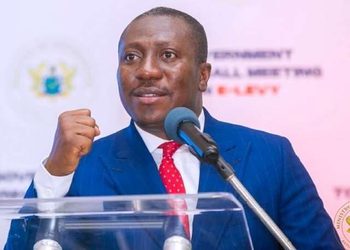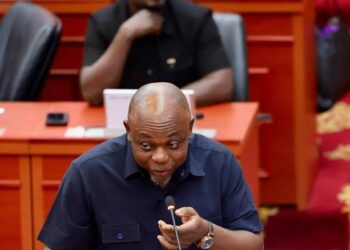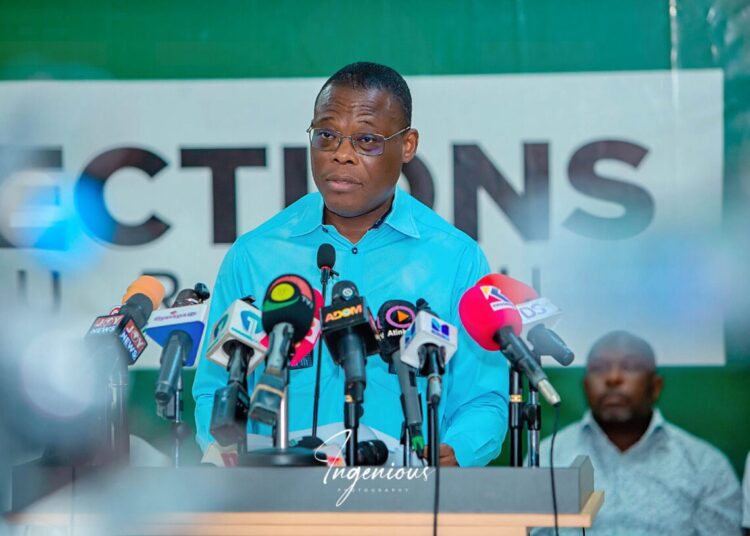
The General Secretary of the National Democratic Congress (NDC), Fiifi Fiavi Kwetey, has defended the party’s decision requiring members who seek executive positions within its structures to relinquish their government appointments.
He argues that the arrangement protects the “institutional efficiency and strengthens the party’s internal organisation.”
Mr Kwetey explained that the directive, which attracted mixed reactions when announced, was not a personal initiative but a resolution adopted by the party’s highest executive body.
“Those are full-time positions that require your full commitment and dedication. How is it that you feel you can hold those positions and still be encumbered, you know, with taking up an executive position in a party, which is also a full-time job in itself?”
Fiifi Fiavi Kwetey
Elucidating the rationale behind the decision, the General Secretary recalled that the NDC previously had ministers who doubled as national party officers, including a sports minister who also served as national youth organiser. However, the party subsequently reconsidered the practice, recognising that the demands of public office could undermine the effective discharge of party responsibilities.
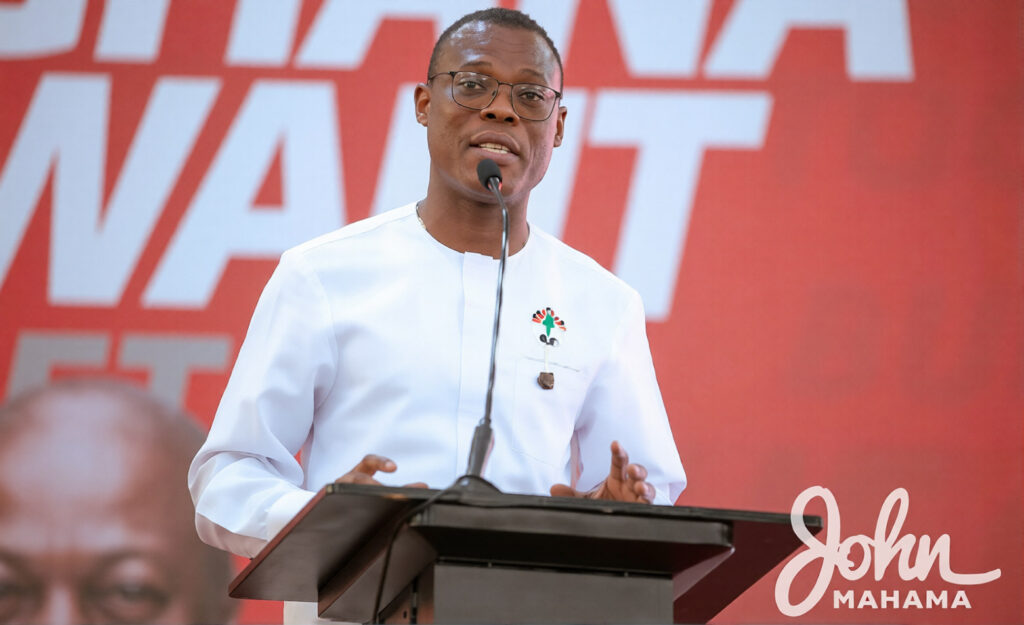
He pointed to the distinction between serving in government and managing a mass political organisation, which has millions of supporters and members. In his assessment, allowing the same individuals to dominate both structures “limits opportunities for other capable members” to assume leadership responsibilities.
Mr Kwetey also drew on his own experience, recalling that when he became Deputy Finance Minister in 2009, he relinquished his party communication responsibilities to his deputies. The arrangement, he observed, enabled other officers to attend executive meetings and undertake the organisational duties that his ministerial schedule no longer permitted.
Although some members opposed the directive, he insisted that decisions adopted by the National Executive Committee must be respected and implemented. He nevertheless acknowledged that elected party officers who subsequently enter government cannot simply be removed from positions for which members elected them to serve fixed terms.
Consequently, their deputies or other functional executive members may assume day-to-day responsibilities until the next party congress elects replacements. Mr Kwetey proposed that the party could eventually review its rules to accommodate this practical arrangement more explicitly.
He rejected suggestions that appointing party executives into government was itself a mistake, contending that new members must be allowed to develop their leadership capacities. For him, the central issue is ensuring that public appointments do not prevent the party from functioning effectively.
Managing Expectations Amid Government And Party Responsibilities
Meanwhile, the relationship between political parties and their supporters has come into focus, with NDC General Secretary Fiifi Fiavi Kwetey insisting that access to government appointees should not be confused with an entitlement to public appointments or preferential treatment.
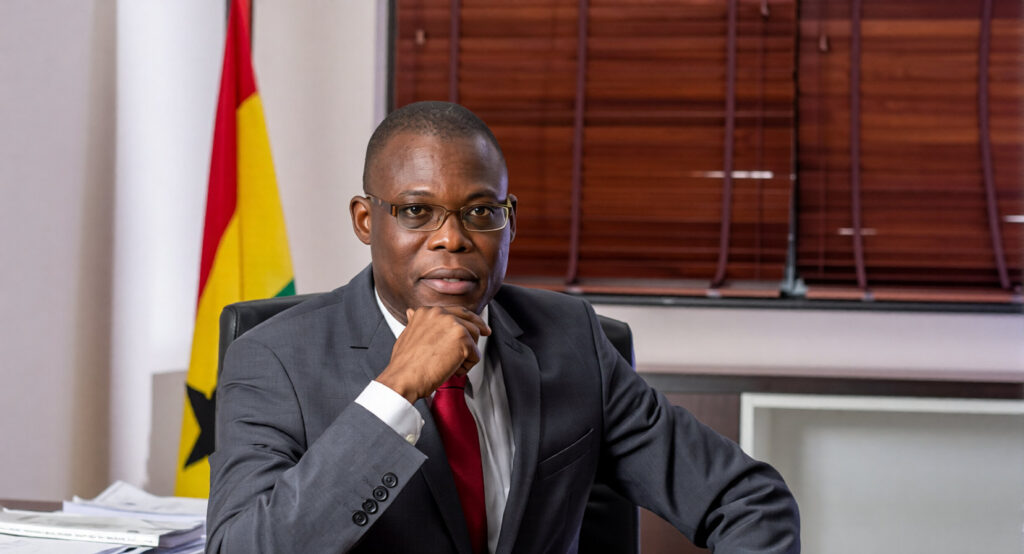
Mr Kwetey explained that members who previously worked at the party headquarters can now approach colleagues serving in government through their respective offices.
“The party is not holding what you would call a government position for you to come to the party expecting to be given a government job. That is the party’s only responsibility.”
Fiifi Fiavi Kwetey
In addressing complaints from party supporters who struggle to reach government appointees, the General Secretary identified “expectation management as a persistent challenge” within political organisations after electoral victories. He argued that the party’s responsibility is not to secure government positions for every member, but to direct legitimate requests to the institutions and officials equipped to address them.
Mr Kwetey pointed to the example of former party officers who now head government institutions, explaining that supporters could approach them through their ministerial or administrative positions. He recalled that during his tenure at the Finance Ministry, he did not expect constituents or party members to visit the party headquarters before seeking his assistance.
Nevertheless, he acknowledged that public officials must balance their availability to supporters with the demands of their offices. While some requests may be referred to ministries and others to chief executives, he cautioned that not every expectation can be fulfilled immediately.
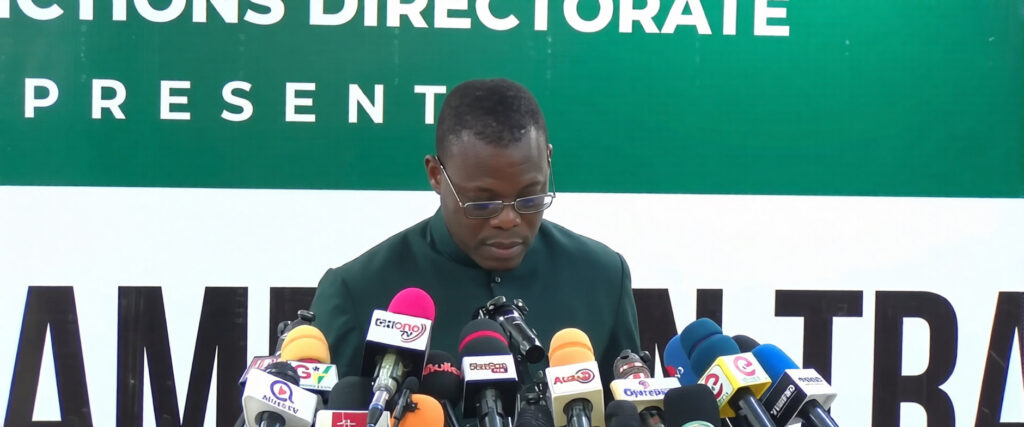
The General Secretary also disputed the suggestion that the absence of certain appointees from the party headquarters necessarily demonstrates a breakdown in party-government relations. For him, supporters should recognise that access can be facilitated through different channels, provided officials create reasonable opportunities to engage them.
Turning to the government’s performance, Mr Kwetey asserted that the administration is pursuing economic stability and preparing to advance growth through “a new economy initiative.” He indicated that the forthcoming national budget would outline measures intended to promote inclusive growth across different levels of the economy.
He further pointed to increased resource allocation to districts and ongoing road-sector interventions as evidence of the administration’s development priorities. Contrasting this approach with the previous NPP administration, he accused its leadership of concentrating resources at the national level and weakening local governance structures.
However, Mr Kwetey conceded that the government has not achieved all its objectives, insisting that the administration is determined to consolidate stability and pursue further economic progress.
READ ALSO: MinCom CEO Calls for Stronger Regulation to Enhance Responsible Mining