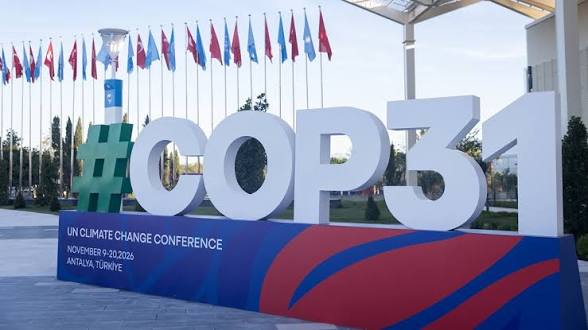
As Ghana joins other countries at the 31st United Nations Climate Change Conference (COP31) in Antalya, Türkiye, the country faces an opportunity to push for more than increased climate finance: it can also press for international agreements that help developing economies build the industries and technological capabilities needed to participate in the global energy transition.
The distinction is important because access to funding does not automatically translate into industrial development.
A November 2026 policy brief by the Africa Centre for Energy Policy (ACEP) argues that Africa’s longstanding climate negotiating position, centred largely on adaptation finance, disaster risk reduction and compensation for loss and damage, needs a stronger economic and industrial dimension.
The brief, titled Why Africa’s Long-Standing Bargain at COP May Not Deliver the Economic Transformation We Need from the Energy Transition, does not suggest that climate justice demands should be abandoned.
Instead, it argues that African negotiators must also focus on who produces clean energy technologies, where manufacturing takes place and how African businesses can capture more value from the expanding global market.
For Ghana, the argument comes as the government prepares to advance its national interests at COP31 through a coordinated negotiating position.
The Ministry of Environment, Science and Technology held a National Pre-COP Meeting in Accra on November 6, where Minister Dr Zanetor Agyeman-Rawlings called on Ghana’s delegation to maintain unity, discipline and accountability during the negotiations.
The Ministry said the delegation would be expected to translate international engagements into meaningful national outcomes.
That expectation gives added relevance to ACEP’s argument: Ghana’s negotiating success should not be measured only by the financing commitments it supports, but also by whether the international process creates opportunities for domestic industrial development.
Climate Finance Must Create Productive Capacity
Africa’s demand for climate finance is grounded in the continent’s vulnerability to climate impacts and its relatively small contribution to historical global greenhouse gas emissions.
The principle of Common but Differentiated Responsibilities and Respective Capabilities recognises that countries have different historical contributions to emissions and different capacities to respond to climate change.

For African countries, securing adaptation finance, disaster risk reduction support and compensation for loss and damage remains essential.
However, ACEP argues that these priorities alone are insufficient to secure the economic opportunities emerging from the energy transition.
The brief states:
“Climate finance and development partnerships should be structured to support not only renewable energy deployment but also the development of domestic productive capabilities.”
This recommendation shifts attention from the amount of funding secured to how that funding is structured and used.
A financing agreement that supports solar installations, wind farms or battery storage may increase access to clean energy.
But if the equipment, technical services and manufacturing inputs are imported almost entirely from outside Africa, much of the industrial value may be captured elsewhere.
For Ghana, this raises questions about the design of international partnerships supporting renewable energy projects.
Can climate finance support local assembly and supplier development? Can it help Ghanaian firms acquire technology and technical expertise?
Can it provide concessional financing for manufacturing investments that would otherwise struggle to attract commercial capital?
These are issues that could be reflected more explicitly in Ghana’s COP31 engagements.
Africa Is Missing A Large Clean Energy Market
ACEP’s case is supported by the scale of the global clean energy economy.
The brief estimates that the combined global market for six major clean energy technologies—solar photovoltaic systems, wind, batteries, electric vehicles, heat pumps and electrolysers—exceeded US$700 billion in 2023.
Yet Africa accounted for less than one per cent of that market.
China accounted for nearly 60 per cent, while advanced economies accounted for approximately 35 per cent.
The imbalance is not simply about the number of solar panels or electric vehicles used in African countries. It reflects the concentration of manufacturing and technological capabilities outside the continent.
Africa possesses critical minerals such as lithium, cobalt, manganese, graphite and copper, which are essential inputs for clean energy technologies.
However, much of the continent’s participation remains concentrated in extracting and exporting raw materials.
Processing, component manufacturing and technology development largely take place elsewhere.
The result is that African countries can supply materials and provide markets for clean energy products without capturing a proportionate share of the employment, manufacturing investment and technological learning generated by the transition.
For Ghana, the issue is relevant to its ambitions in renewable energy, critical minerals and industrial development.
If the country is to benefit from the transition beyond supplying raw materials or purchasing imported equipment, it will need partnerships that support local production and technological capability.
Ghana’s Negotiating Position Can Connect Climate And Trade
The Ministry’s preparations for COP31 have emphasised the need for Ghana to speak with a coordinated national voice.
At the November 6 National Pre-COP Meeting, the Environment Minister called for collaboration and accountability among members of the delegation, stressing that they were representing the Republic and its national interests.
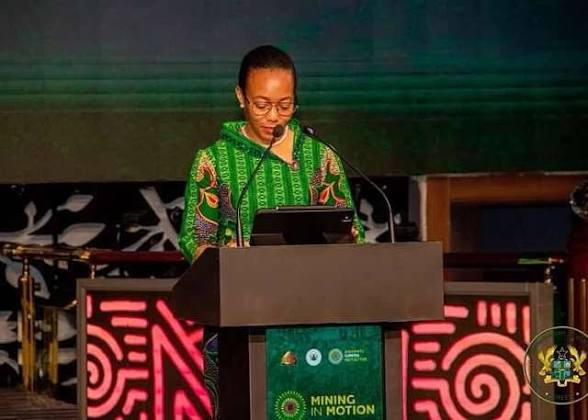
The Ministry’s account also highlighted climate finance, adaptation and implementation as important areas for Ghana’s participation.
ACEP’s recommendations offer another dimension for the delegation to consider: connecting climate negotiations with trade, industrial policy and investment.
The brief argues that climate negotiators should work more closely with trade ministries, industrial development agencies, energy policymakers and private-sector stakeholders.
This coordination is necessary because the rules governing international climate finance, technology partnerships and clean energy supply chains can affect where future investment and manufacturing take place.
For Ghana, it means that the COP31 agenda should not be developed in isolation from domestic industrial and energy priorities.
The country’s renewable energy plans, local enterprise development, research institutions and technical training programmes all have a stake in the outcome of international negotiations.
Technology Transfer Must Be More Than Equipment Access
One of ACEP’s central recommendations is that Africa should place greater emphasis on technology transfer for productive capacity development.
Access to imported solar panels, batteries and other equipment can help countries expand clean energy deployment. But it does not necessarily enable domestic firms to manufacture those products, maintain complex systems or develop their own technologies.
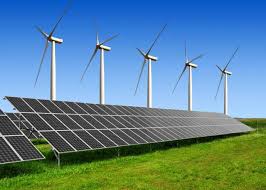
The brief calls for international partnerships involving local manufacturing, research, technical training, licensing arrangements and joint ventures.
It argues that technology transfer should be deliberately designed to build domestic technological capabilities over time.
For Ghana, this could mean using international renewable energy partnerships to support engineering training, research collaboration, battery-related expertise, power electronics and local supplier development.
The benefits would extend beyond the energy sector. Stronger technical capabilities could support manufacturing, industrial services and the development of businesses serving regional markets.
However, technology transfer requires more than the inclusion of training provisions in project documents. It needs measurable commitments, access to technical knowledge, participation by local firms and sustained investment in research institutions.
Ghana’s negotiators could therefore push for international cooperation frameworks that make these elements part of the wider climate and energy investment agenda.
Regional Cooperation Could Strengthen Ghana’s Position
ACEP also argues that African countries should use the African Continental Free Trade Area to coordinate industrial strategies, harmonise standards and develop complementary manufacturing capabilities.
This is important because individual African markets may be too small to support every stage of clean energy manufacturing.
Regional cooperation could allow countries to specialise in particular components or technologies, while creating a larger market for products manufactured within the continent.
For Ghana, a stronger regional market could provide opportunities for local firms to supply equipment and services beyond the domestic renewable energy sector.
It could also help attract investment into manufacturing by giving businesses access to a wider customer base.
The brief recommends that the African Union and its institutions accelerate efforts to establish regional clean energy manufacturing networks, harmonise product standards and expand intra-African trade.
That approach would require climate negotiators to work alongside trade and industrial policy officials rather than treating climate diplomacy as a separate international process.
The Measure Of COP31 Must Be Domestic Outcomes
Ghana’s participation at COP31 comes with the responsibility of defending its climate and development interests while contributing to Africa’s broader negotiating position.
The country has a legitimate interest in securing predictable and accessible climate finance, particularly for adaptation and resilience. But the opportunity presented by the energy transition extends beyond the funding of individual projects.

ACEP’s argument is that Africa must negotiate for a stronger position in the industries, technologies and supply chains shaping the future energy economy.
For Ghana, this means linking international financing to domestic enterprise development, ensuring technology partnerships build local capabilities and using regional cooperation to expand markets for Ghanaian businesses.
It also requires coordination after the conference. Commitments secured in Antalya will need to be reflected in national investment priorities, procurement arrangements, industrial policies and measurable implementation plans.
A successful negotiating outcome should therefore be judged not only by the financial pledges announced, but also by whether those commitments help Ghana develop businesses, skills and technological capabilities that remain valuable long after individual projects are completed.
The challenge for Ghana’s delegation is to ensure that the country is not only represented in discussions about the future of the energy transition, but also positioned to capture a greater share of the economic opportunities it creates.
READ ALSO: Veep Opoku-Agyemang Highlights Ghana’s Aviation Growth Priorities