Ghana is shifting its economic priorities from macroeconomic stabilisation towards productive growth, with the government placing renewed emphasis on industrialisation, local manufacturing, investment mobilisation and job creation.
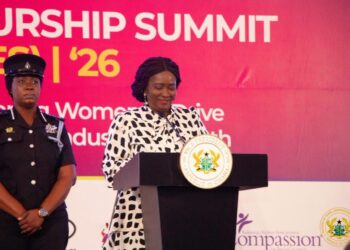
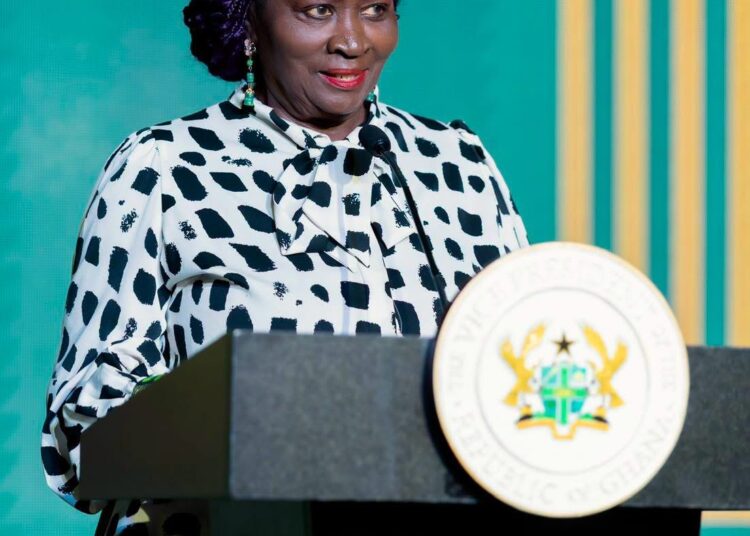
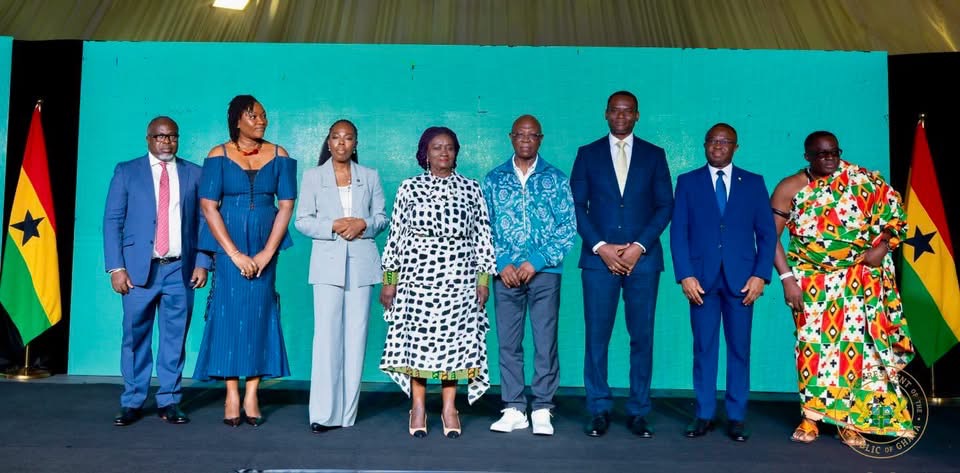
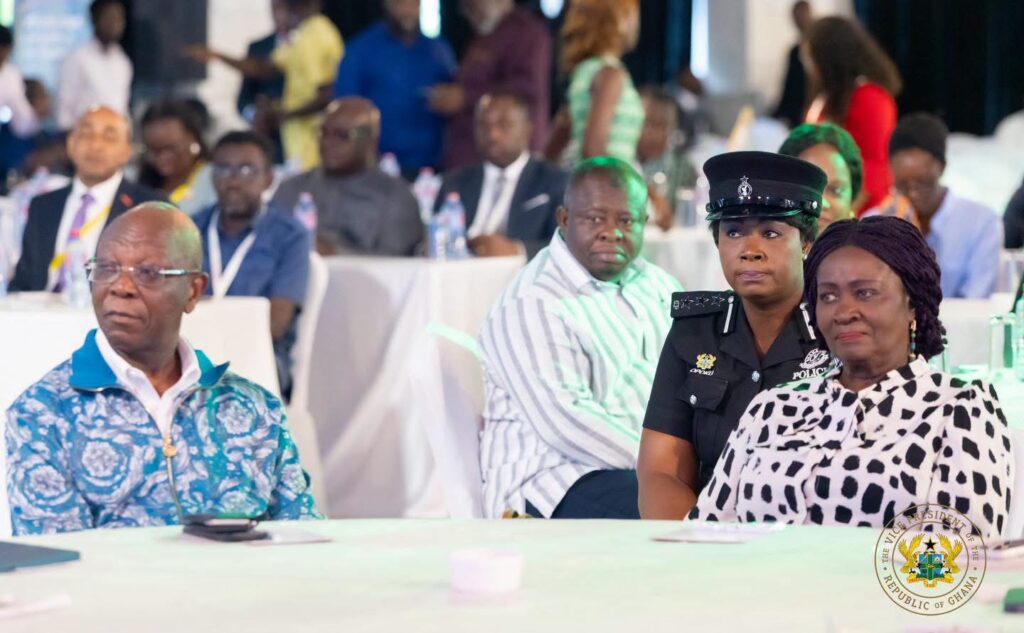
The Vice President Professor Jane Naana Opoku-Agyemang made this known at the 15th Ghana Economic Forum, organised by the Business and Financial Times (B&FT), where policymakers, business executives, financial institutions and other stakeholders discussed strategies for accelerating the country’s economic transformation.
She stated that the improvement in macroeconomic conditions, including relative stability of the cedi, provides an opportunity for government and the private sector to strengthen productive activities, expand businesses and improve economic opportunities for households.
“Ghana has made progress towards restoring macroeconomic stability, with a steadier Cedi and improving macroeconomic conditions. Our focus now is to translate this stability into productive growth for businesses and households.”
Vice President, Prof. Naana Jane Opoku-Agyemang
Industrialisation Drives Economic Transformation
The Vice President said government’s industrialisation agenda prioritises value addition, domestic manufacturing and employment generation as essential components of sustainable economic growth.
She identified recent investments, including the commissioning of new factories by President John Dramani Mahama and the commencement of the Tema industrial development project, as indications of opportunities emerging across Ghana’s productive sectors.
The government is also pursuing investment incentives, including tax reliefs and policy reforms, to improve the business environment, attract private capital and support the implementation of the 24-Hour Economy Programme.
However, the Vice President stressed that industrial expansion must be supported by appropriate financing arrangements and a workforce equipped with the technical competencies required by modern industries.
“Industrial growth also requires appropriate financing and a skilled workforce. Our financial institutions must support productive enterprises, while industries must work closely with technical and vocational training institutions to ensure that young people acquire the practical skills the economy requires.”
Vice President, Prof. Naana Jane Opoku-Agyemang
She called for stronger collaboration between financial institutions, industrial operators and technical and vocational education and training institutions to bridge existing skills gaps and prepare young people for employment in manufacturing and other productive sectors.
Women’s Development Bank to Expand Credit
The Vice President also highlighted the importance of improving access to affordable financing for women entrepreneurs, whose businesses contribute significantly to household incomes, employment and economic activity across the country.
She observed that despite their entrepreneurial experience and contributions to local economies, many women continue to encounter difficulties accessing credit through conventional financial institutions.
The situation, she said, informed government’s decision to establish the Women’s Development Bank as a specialised financial institution designed to address financing barriers confronting women-owned businesses.
The proposed institution is expected to provide appropriate financial services to underserved women, particularly those operating small businesses and enterprises that often struggle to meet conventional lending requirements.
The initiative is intended to strengthen women’s participation in economic activities by improving access to capital, supporting business expansion and creating opportunities for employment generation.
At the forum, the Vice President also disclosed that the committee responsible for establishing the bank had completed its work and submitted an application for a banking licence to the Bank of Ghana.
The proposed institution is being developed as a last-mile financial institution, with consultations involving market women, susu collectors, women’s business associations and financial-sector professionals to inform its operational framework.
“We are establishing a last-mile financial institution to help women build stronger, more sustainable businesses that create employment and generate greater economic value.”
Vice President, Naana Jane Opoku-Agyemang
AfCFTA Offers Export Growth Opportunities
The Vice President further emphasised the need for Ghanaian businesses to take advantage of regional trade opportunities, particularly those created by the African Continental Free Trade Area (AfCFTA).
She said expanding domestic production must go hand in hand with preparing local enterprises to access larger markets, increase exports and compete with businesses across the African continent.
The AfCFTA provides a framework for improving intra-African trade through the gradual reduction of trade barriers and the development of a single continental market covering more than 1.4 billion people.
For Ghanaian manufacturers and entrepreneurs, the agreement presents opportunities to expand market access, strengthen regional value chains and increase the export of locally manufactured goods.
However, taking advantage of these opportunities will require businesses to improve product quality, production capacity, packaging, standards compliance and access to export financing.
Government’s industrialisation agenda, therefore, must be supported by policies that strengthen local enterprises and enable them to participate effectively in regional and international trade.
“Ghanaian enterprises must be equipped not only to meet domestic demand but also to compete confidently across Africa and beyond.”
Vice President, Prof Naana Jane Opoku- Agyemang
The discussions at the 15th Ghana Economic Forum reinforced the need to connect economic recovery with investment, industrial capacity, skills development and broader access to finance.
READ ALSO:Persistent Sadness, Sleep Changes May Signal Depression – Psychologist