Russian and Ukrainian delegations have entered a second day of US-brokered negotiations in Abu Dhabi, as Washington seeks to revive diplomatic efforts to end the war following months without direct talks between Moscow and Kyiv.
The discussions, mediated by US President Donald Trump’s son-in-law Jared Kushner and special envoy Steve Witkoff, mark the first direct negotiations between the two countries in nine months. The latest round began on Tuesday and was expected to conclude today.

The first session lasted approximately four hours at the UAE capital, which was selected as a neutral venue for the negotiations.
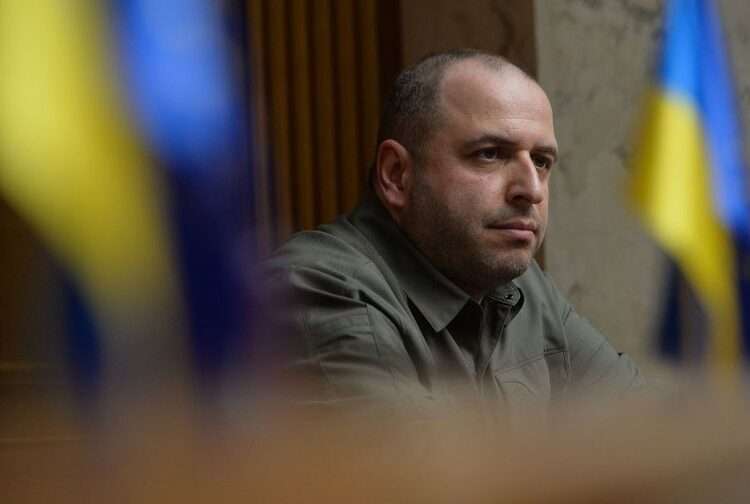
Rustem Umerov, Head of Ukraine’s Foreign Intelligence Service and leader of Kyiv’s delegation, announced the resumption of discussions in a social media post. “We are starting the second day of negotiations,” he said.
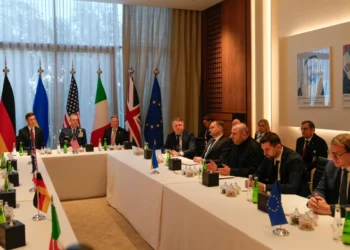
Umerov said that the day would begin with trilateral discussions involving Russia, Ukraine and the United States, followed by a separate meeting between Ukraine’s delegation and European representatives.
Russia has opposed the involvement of European governments in direct negotiations, despite concerns among European leaders about Moscow’s military actions and its wider security ambitions on the continent.
Nevertheless, representatives of European governments, the European Union and NATO were present in Abu Dhabi, where they held consultations with Ukraine’s delegation. Umerov said Kyiv would meet European officials separately after the trilateral discussions with Russia and the United States.
European governments have also expressed concern about the possibility of Washington and Moscow reaching arrangements that could affect NATO’s presence and security commitments across the continent.
Despite positive assessments from Ukrainian and American officials, expectations of a major breakthrough remain limited, with both sides yet to demonstrate a willingness to compromise on their central demands.
Humanitarian Issues And Security Guarantees Discussed
Ukrainian President Volodymyr Zelenskyy described Tuesday’s discussions as “constructive and quite substantive,” saying that negotiators had addressed humanitarian concerns and possible steps towards de-escalation.
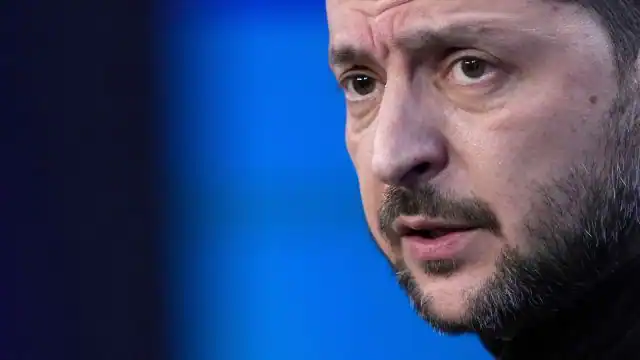
The discussions included potential prisoner exchanges, the return of Ukrainian civilians held in captivity and the repatriation of children taken from Ukraine during the war.
Zelenskyy said that the release of prisoners remained a priority, while the delegations also examined security guarantees for Ukraine and how those commitments could operate over the long term.
Security arrangements remain among the most difficult issues in the negotiations, with Kyiv seeking assurances that would prevent another Russian invasion and protect its sovereignty after any agreement.
Moscow and Kyiv have so far shown little indication that they are prepared to abandon their competing positions on the conditions for ending the conflict.
US Secretary of State, Marco Rubio described the first day of discussions as “very productive” but cautioned that reaching an agreement to end the war would require more time.
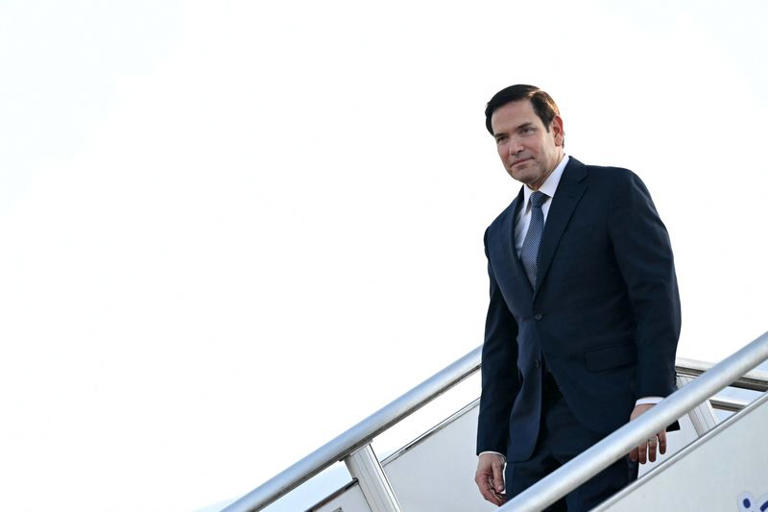
His assessment reflected Washington’s renewed diplomatic push, although the US administration has acknowledged that significant differences remain between the two sides.
Political and Military Pressures Shape Talks
The negotiations are taking place against a changed political and military backdrop compared with the previous round in Geneva in February.
In the United States, the Republican Party is preparing to lose control of Congress following significant midterm election losses, with Democrats expected to take over the House in January.
The change could affect Washington’s approach to the conflict, particularly if the incoming Democratic majority pushes for stronger support for Ukraine or greater congressional scrutiny of the administration’s peace efforts.
Russia is also facing mounting pressure on its wartime economy, while Ukraine continues to deal with the consequences of Russian aerial attacks on its energy infrastructure.
The attacks have placed additional strain on Ukraine as winter approaches, increasing the urgency of efforts to protect its electricity supply and other critical facilities.
Meanwhile, fighting continues along the front line, where territorial changes have remained limited this year. Both countries have also continued to use missiles and drones in attacks against targets far beyond the battlefield.
The continued hostilities underline the challenges facing negotiators as they attempt to translate diplomatic engagement into an agreement that both sides would accept.
Breakthrough Remains Uncertain
The Abu Dhabi discussions follow earlier rounds of negotiations that failed to produce significant progress towards ending the war.
Although the latest meeting has been described positively by Zelenskyy and Rubio, the humanitarian discussions and exchanges of views on security guarantees have yet to resolve the fundamental disagreements between Moscow and Kyiv.
For Ukraine, any settlement would need to provide credible protection against renewed Russian aggression. Russia, meanwhile, has maintained demands that remain unacceptable to Kyiv.
The involvement of the United States has renewed diplomatic momentum, but the question of European participation and the competing security demands of the two sides remain major obstacles.
With the second day of negotiations underway, attention is focused on whether the delegations can move beyond discussions and agree on practical measures, particularly humanitarian arrangements and the foundations of a future security framework.
READ ALSO: Hegseth Dismisses Impeachment Push As ‘Political Spectacle’