President John Dramani Mahama has challenged leaders of the Economic Community of West African States (ECOWAS) to move beyond decades of political commitments and accelerate efforts towards meaningful regional integration, warning that weak political will and persistent trade barriers continue to undermine the sub-region’s integration agenda.
Addressing the West Africa Integration and Investment Summit in Sierre Leone, President Mahama questioned why ECOWAS, established in 1975, had struggled to translate its longstanding integration ambitions into tangible outcomes, despite being one of the oldest regional integration arrangements in the world.
He identified the limited involvement of citizens, particularly young people, and the failure to remove obstacles to cross-border trade as major setbacks, urging regional leaders to demonstrate the political commitment required to turn integration agreements into practical economic opportunities.
“Too much lip service [has been] paid to integration. But we all know what the obstacles to integration are. It is the political will and the leadership to remove those obstacles that we need now.”
President John Dramani Mahama
Mahama Questions Decades of Stalled ECOWAS Integration
President Mahama observed that ECOWAS had historically operated largely as an organisation of Heads of State, with its activities predominantly associated with presidential summits rather than meaningful participation by ordinary citizens.
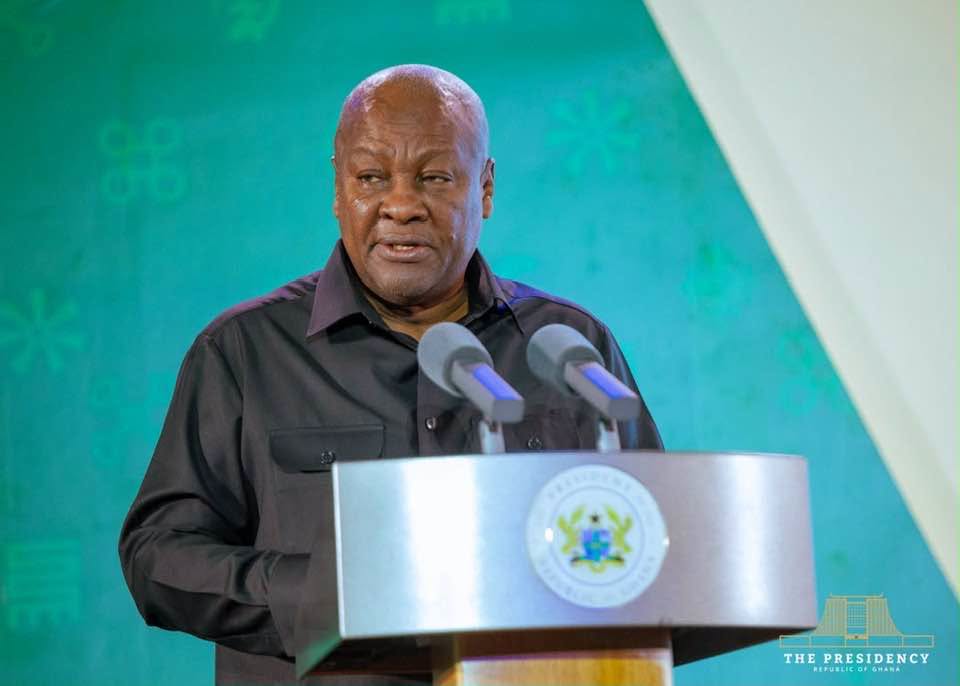
“For many years, ECOWAS remained at the level of Heads of State. And anytime we heard about ECOWAS, it was because there was a summit and our leaders were meeting”.
HE President John Dramani Mahama
He maintained that the time had come for West Africans to take ownership of the integration agenda and ensure that its benefits extended beyond government institutions to businesses, communities and ordinary citizens.
“The time has come for us to own ECOWAS as our own,” President Mahama emphasised. He also commended Sierra Leonean President Julius Maada Bio for his continued commitment to regional integration, despite having handed over the ECOWAS chairmanship to Senegal.
According to President Mahama, regional leadership and commitment to the integration agenda should extend beyond the tenure of individuals occupying leadership positions.
He expressed confidence that the West Africa Integration and Investment Summit, championed by President Bio, could provide the platform to secure the political commitment needed to advance the sub-region’s integration ambitions.
Persistent Trade Barriers Undermine ECOWAS Integration
President Mahama identified the failure to effectively implement the ECOWAS Trade Liberalisation Scheme (ETLS) as one of the clearest examples of the gap between regional integration commitments and actual progress.
Adopted in 1990, the scheme was designed to facilitate the movement of goods and services among member states without customs duties and taxes. He noted that the ETLS preceded the African Continental Free Trade Area (AfCFTA), arguing that West Africa should therefore have been considerably ahead of other regions on the continent in advancing trade liberalisation.

Under the arrangement, raw agricultural products, including cattle, tomatoes and vegetables, were permitted to move across member countries. However, President Mahama observed that such trade activities had existed long before the establishment of modern nation-states and ECOWAS.
He explained that the more significant objective was to facilitate the movement of manufactured goods, particularly products containing at least 60 per cent local content from their country of origin.
Such products qualify for duty-free movement across ECOWAS member states, provided exporters obtain the required ETLS certificate. However, he lamented that businesses continue to encounter multiple administrative restrictions and regulatory requirements despite possessing the necessary certification.
He described these obstacles as non-tariff barriers, noting that traders transporting goods across the sub-region frequently face repeated checkpoints and additional documentation requirements.
Mahama Cites Nigeria’s NAFDAC Requirements as Trade Obstacle
Illustrating the difficulties confronting regional businesses, President Mahama cited complaints from traders who transport goods into Nigeria despite holding valid ETLS certificates.
He explained that some business operators had complained about being asked to produce additional certification from Nigeria’s National Agency for Food and Drug Administration and Control (NAFDAC), despite already possessing the documentation required under the regional trade arrangement.

He clarified that his reference to Nigeria was not intended to single out the country but to demonstrate the broader difficulties businesses encounter when attempting to trade across West African borders.
According to him, such restrictions undermine the purpose of the ETLS and make regional commerce unnecessarily difficult. The consequences, he noted, are reflected in the low levels of trade among West African countries.
President Mahama disclosed that intra-regional trade in West Africa is estimated at between 12 and 15 per cent and has remained at that level for several years.
He argued that the sub-region cannot achieve meaningful economic integration while businesses continue to encounter restrictions that prevent the free movement of goods across member states.
Mahama Calls for Action Beyond Regional Summits
President Mahama insisted that West African leaders must take difficult decisions to remove trade restrictions and establish the infrastructure and logistics systems necessary to facilitate the movement of goods.
“Until we take the difficult decisions that open the highways and put in the logistics so that we can move goods between our countries, we’ll continue to assemble every year and talk about this”.
President John Dramani Mahama
He expressed hope that the West Africa Integration and Investment Summit would bring together ECOWAS leaders and other stakeholders to confront longstanding obstacles and accelerate the integration process.
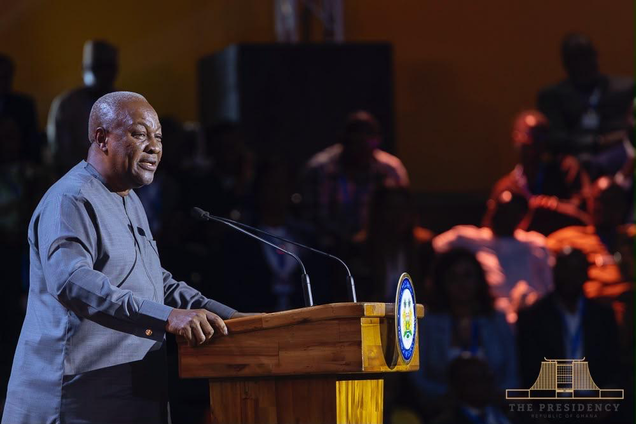
President Mahama maintained that the success of regional integration would ultimately depend on the willingness of leaders to move beyond political endorsements and implement practical measures that improve trade and economic cooperation across West Africa.
READ ALSO: Goodluck Jonathan Warns of Post-Election Crisis Ahead of 2027 Polls