
In a significant shift in U.S. foreign policy towards Africa, the Trump administration has reportedly dismantled Power Africa, an initiative launched in 2013 under former President Barack Obama to improve electricity access across the continent.
According to a Bloomberg report citing unnamed sources, almost all of Power Africa’s programs have been marked for termination, and the majority of its staff have been dismissed.
The Trump administration’s decision to dismantle Power Africa is part of a broader effort to restructure U.S. foreign aid to prioritize programs that align more directly with American national interests.
According to Bloomberg, a State Department spokesperson stated that “each program is undergoing a review with the goal of restructuring assistance to serve U.S. interests.”
This move comes after over a decade of work aimed at increasing electricity supply to millions of African households, leaving analysts and stakeholders questioning the future of U.S. involvement in Africa’s energy sector.
However, some remaining Power Africa programs—particularly those that help connect African energy projects with U.S. companies—may continue under different agencies.
The said official from the department told Bloomberg in a reply, “Programs that serve our nation’s interests will continue. However, programs that aren’t aligned with our national interest will not.”
This suggests that while direct funding and operational support may be withdrawn, the U.S. government could still facilitate private sector investments in Africa’s energy sector.
The restructuring comes amid broader federal spending cuts led by the Department of Government Efficiency, an office reportedly influenced by billionaire Elon Musk’s cost-cutting initiatives.
The move reflects a shift towards reducing foreign aid and focusing on initiatives that provide direct economic or strategic benefits to the U.S.
Power Africa program sought to leverage public and private sector investments to increase energy generation capacity and expand electricity access across sub-Saharan Africa.
The program is designed as a multi-stakeholder partnership among the governments of the United States of America, Tanzania, Kenya, Ethiopia, Ghana, Nigeria and Liberia, the US and the African private sector.
Over the years, the initiative mobilized billions of dollars in funding and supported projects that helped provide electricity to millions of homes and businesses.
The initiative was instrumental in addressing Africa’s long-standing energy crisis, where an estimated 600 million people still lack reliable electricity.
It facilitated partnerships between African governments, international organizations, and U.S. companies, driving investment into renewable and conventional energy projects.
The program also aligned with broader international development goals by promoting economic growth, improving healthcare services, and enhancing education through improved access to electricity.
Impact on Africa’s Energy Sector
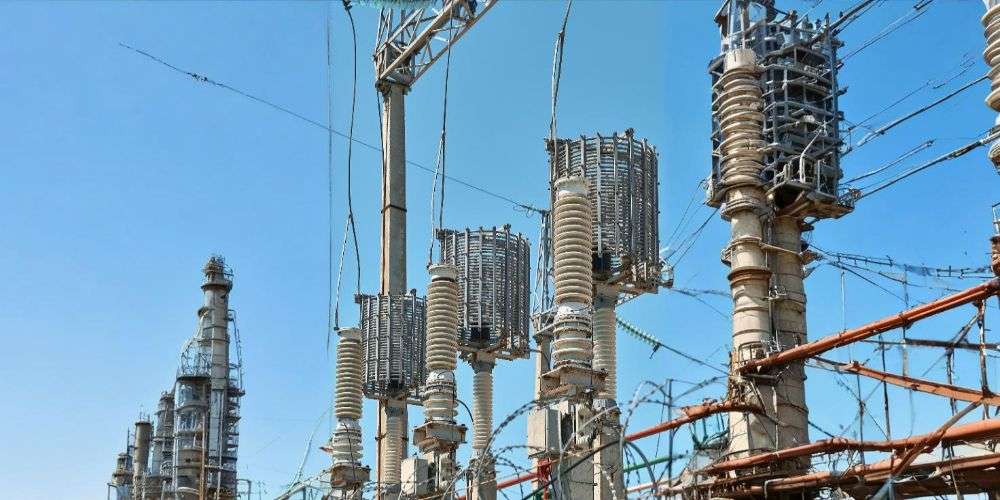
The dismantling of Power Africa raises serious concerns about the continent’s progress towards electrification.
Africa continues to struggle with inadequate power infrastructure, frequent blackouts, and overreliance on expensive and polluting energy sources.
The initiative played a crucial role in financing and facilitating energy projects, including renewable energy solutions like solar and wind power, which are essential for sustainable development.
The withdrawal of U.S. support could slow down ongoing projects and discourage new investments in Africa’s energy sector.
Many Power Africa-funded projects relied on a combination of U.S. government support, multilateral partnerships, and private sector investment.
With the initiative’s termination, stakeholders fear a reduction in available funding and technical assistance, which could hinder the completion of key infrastructure projects.
The decision to dismantle Power Africa could also have geopolitical consequences, as it creates an opportunity for other global players, such as China and the European Union, to expand their influence in Africa’s energy sector.
China, in particular, has been investing heavily in African infrastructure through initiatives like the Belt and Road Initiative (BRI). With the U.S. stepping back, China could further consolidate its economic and political ties with African nations by filling the investment gap.
The dismantling of Power Africa marks a critical point in U.S.-Africa energy relations, signaling a move away from direct government involvement towards a market-driven approach.
While the Trump administration’s decision aligns with its broader cost-cutting and national interest-driven policies, it raises significant concerns about the future of energy development in Africa.
The initiative played a crucial role in expanding electricity access and fostering economic growth, and its termination could slow progress in addressing Africa’s energy challenges.
READ ALSO: UK Slashes Ukraine Military Training Staff By 73%