Ghana’s repeated dependence on the International Monetary Fund (IMF) for economic bailouts has sparked fresh concerns about the country’s financial stability and sovereignty.
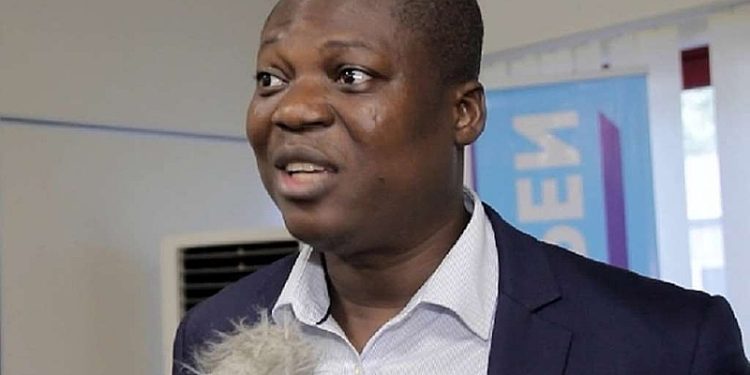
Economist and Dean of the University of Cape Coast Business School, Professor John Gatsi, has emphasized the urgent need for Ghana to build strong financial buffers to withstand economic shocks instead of turning to the IMF at every crisis.
With Ghana securing its 17th IMF bailout in 2022—a $3 billion Extended Credit Facility (ECF)—the country finds itself yet again in a familiar cycle of external financial dependence. However, Professor Gatsi argues that the solution lies not in continuous IMF interventions but in sound economic policies that promote resilience, fiscal discipline, and revenue generation.
The Root of Ghana’s IMF Dependence
Ghana’s recurring economic challenges stem from persistent fiscal deficits, excessive borrowing, and poor domestic revenue mobilization. Despite being a resource-rich country, Ghana has struggled to maintain macroeconomic stability, often facing rising inflation, currency depreciation, and unsustainable debt levels.
Professor Gatsi highlights poor economic management as the primary reason for Ghana’s frequent return to the IMF.
“It is not magical for anybody to say we will not go to the IMF again. What has been leading us to the IMF is poor management.”
Professor John Gatsi
Professor Gatsi believes that by strengthening financial buffers in all economic sectors, Ghana can avoid the need for external bailouts in the future.
Financial buffers refer to economic safeguards that allow a country to absorb shocks without resorting to emergency assistance. These buffers include foreign exchange reserves, strong revenue mobilization mechanisms, effective debt management strategies, and sustainable economic policies.
Professor Gatsi insists that Ghana must develop these shock absorbers to navigate economic uncertainties.
“We will not be drifting towards the IMF at the least financial distortions or at the least threat that is directed towards the finances of this country. We will be robust, solid, and we will be relying on the buffers that we build rather than going to the IMF.”
Professor John Gatsi
By building such resilience, Ghana can protect its economy from external shocks, such as global commodity price fluctuations, exchange rate volatility, and inflationary pressures.
Policy Recommendations for Economic Resilience
To break the cycle of IMF dependence, Professor Gatsi outlines several policy measures that Ghana must adopt. One critical step is strengthening domestic revenue mobilization. Ghana’s tax-to-GDP ratio remains lower than the average for middle-income countries.
Increasing tax revenue through efficient tax collection, broadening the tax base, and curbing tax evasion will provide the government with more fiscal space to manage economic downturns without external assistance. By enhancing revenue generation, the country can reduce its reliance on external borrowing and IMF programs.
Implementing disciplined fiscal policies is another essential strategy. Ghana’s history of fiscal mismanagement, including excessive government spending and unsustainable borrowing, has weakened the economy.
Professor Gatsi calls for strict expenditure controls and prioritization of productive investments that generate long-term economic growth. Prudent fiscal management will help prevent budget deficits that often force the country to seek IMF support.
Improving debt management is also a crucial factor in ensuring financial stability. With Ghana’s debt-to-GDP ratio reaching unsustainable levels, better debt management strategies are critical.
The government must focus on concessional borrowing, restructuring high-interest debts, and promoting policies that reduce reliance on external financing. By managing debt more effectively, Ghana can avoid liquidity crises and the need for emergency financial assistance.
Enhancing foreign exchange reserves will further strengthen the country’s economic resilience. Building a strong reserve position will help Ghana stabilize its currency and shield the economy from external shocks.
Increasing export earnings, reducing import dependency, and promoting value addition in key sectors such as agriculture and manufacturing are essential steps toward achieving this goal. A robust foreign exchange reserve will provide a financial cushion during economic uncertainties.
Investing in productive sectors is another fundamental approach to reducing Ghana’s economic vulnerabilities. The country must shift from an import-dependent economy to a production-driven one.
Investments in key sectors like agriculture, industry, and technology will create jobs, boost local production, and generate foreign exchange. A strong industrial base can reduce the country’s exposure to global economic uncertainties and foster sustainable growth.
By implementing these measures, Ghana can build the necessary financial buffers to withstand economic shocks and reduce its dependence on IMF bailouts.
The IMF Debate *While IMF programs provide short-term relief, they do not address the structural issues that push Ghana into financial distress.
The latest IMF-backed program aims to restore macroeconomic stability, reduce debt vulnerabilities, and promote inclusive growth. However, concerns persist about whether Ghana can permanently wean itself off IMF support.
Professor Gatsi argued that reliance on IMF interventions is not a sustainable economic strategy. “If we are able to build the correct buffers for all the sectors, I believe we will be solid,” he stated, emphasizing the need for proactive economic planning rather than reactive crisis management.
Ghana’s continuous dependence on IMF bailouts highlights the urgent need for financial self-sufficiency. There’s an urgent need for long-term financial planning, disciplined fiscal policies, and strategic investments in productive sectors.
By strengthening its financial buffers, Ghana can break the cycle of external dependence and secure a stable, self-reliant economic future.