The Ghanaian government has commenced a five-day negotiation with the International Monetary Fund (IMF), focusing on critical economic issues such as tax cuts, energy sector debt management, expenditure controls, and exchange rate stabilization.
These discussions, which began on February 10 and will run until February 14, are expected to shape Ghana’s economic policy direction, particularly in preparation for the 2025 budget.
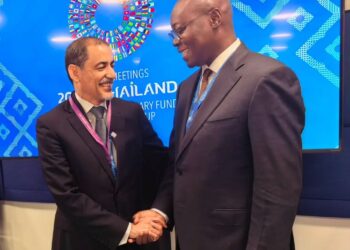
The engagements are being led by IMF Mission Chief for Ghana, Stéphane Roudet, alongside top government officials and key financial institutions, including the Bank of Ghana (BoG), Ghana Revenue Authority (GRA), and the Controller and Accountant General’s Department. Analysts believe that the outcome of these talks could significantly influence Ghana’s economic trajectory, balancing fiscal consolidation efforts with measures to stimulate growth.
One of the most significant policy changes under discussion is the scrapping of major revenue measures, including the E-Levy, betting tax, and COVID-19 levy. The government aims to reduce fiscal pressure on businesses and individuals, encourage consumption, and improve investor confidence.
The Electronic Levy (E-Levy) has been widely criticized since its introduction, as it increased the cost of mobile money transactions, discouraging digital payments. Similarly, the betting tax faced backlash from industry players and the youth, who viewed it as an excessive burden on online gaming activities. Meanwhile, the COVID-19 levy, initially introduced as a temporary measure, has remained in place despite economic recovery.
By eliminating these taxes, the government hopes to spur economic activity, reduce reliance on imported goods, and boost domestic production. However, this move raises concerns about potential revenue shortfalls, prompting discussions on enhanced revenue administration reforms to improve tax collection efficiency.
Energy Sector Debt Management
Another key issue dominating the talks is Ghana’s rising energy sector debt, which continues to put pressure on public finances. The government is under increasing pressure to implement sustainable debt management strategies to prevent further financial stress on state-owned enterprises (SOEs) within the energy sector.
The high cost of energy subsidies, coupled with delayed payments to power producers, has created liquidity challenges in the sector. The government is exploring ways to restructure debts owed to Independent Power Producers (IPPs) and improve the financial sustainability of key entities like the Electricity Company of Ghana (ECG) and Ghana Grid Company (GRIDCo).
A potential solution being considered is the gradual phasing out of energy subsidies while implementing targeted support for vulnerable consumers. Additionally, there is ongoing dialogue about improving efficiency in energy revenue collection, particularly through enhanced metering systems and digital payment solutions.
Exchange Rate Stabilization and Cedi Performance
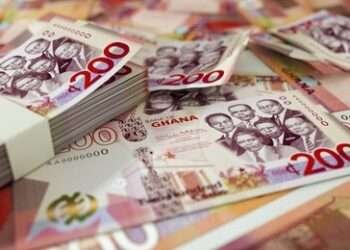
The stability of the Ghanaian cedi remains a major point of concern in the discussions, as recent fluctuations have put pressure on businesses and importers. The government, in collaboration with the Bank of Ghana, is working on strategies to stabilize the exchange rate by increasing foreign exchange reserves and improving forex supply mechanisms.
One of the major challenges affecting the cedi’s stability is high demand for foreign currency, driven by corporate settlements and external debt repayments. The Bank of Ghana is expected to intensify foreign exchange interventions, enhance forex auctions, and implement measures to curb speculation in the currency market.
Additionally, the IMF’s assessment will consider how Ghana’s monetary policy framework can be strengthened to ensure inflation remains under control while maintaining exchange rate stability. Analysts believe that a strong fiscal policy, combined with prudent monetary measures, will be key to preventing further depreciation of the cedi.
Expenditure Controls and Fiscal Prudence
Ghana’s fiscal deficit is projected to narrow to 4.2% in 2025, reflecting the government’s commitment to fiscal consolidation. To achieve this, expenditure controls have become a central theme in the negotiations. The government has already signaled cost-cutting measures, including a reduction in the number of ministers to 60, down from previous levels. Additionally, non-essential foreign travel for government appointees has been banned as part of efforts to curb unnecessary spending.
Another key measure being enforced is stricter public sector spending limits, ensuring that financial resources are allocated efficiently. Market analysts are urging the government to prioritize fiscal prudence by focusing on expenditure rationalization, ensuring that funds are directed toward productive sectors of the economy. The IMF is expected to emphasize the need for transparent and accountable public financial management, ensuring that budgetary adjustments do not negatively impact essential social programs.
While the proposed tax cuts are expected to ease burdens on businesses and individuals, the challenge will be ensuring sustainable revenue generation to offset the losses. Similarly, energy sector debt reforms and forex stabilization strategies will require effective policy implementation to maintain investor confidence.