Digitalization continues to expand rapidly in Africa and as such, even prior to the pandemic, various countries have imposed or attempted to impose taxes on digital transactions. So far, the results from taxing digital transactions on the continent have been mixed.
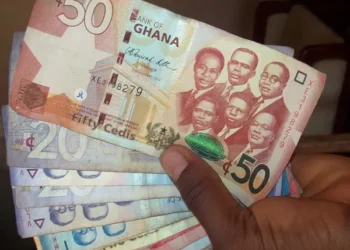
Ghana is the latest country in Africa seeking to introduce a tax on electronic transactions of more than GHS100. Just like all other countries, the tax is met with fierce resistance from the citizens. If enacted, the levy would apply to everything from mobile money to inward remittances.
Announcing the planned measure, Ken Ofori-Atta, the minister of finance, said it would help to widen the tax net, and increase the country’s tax-to-GDP ratio from 11% to 16%.
Last year, the World Bank announced that Ghana’s mobile money sector was the fastest growing in Africa, with the Bank of Ghana recording a 143% year-on-year increase in transaction value in the first quarter of 2021, alongside a 64% year-on-year increase in transaction volume.

Whilst these figures suggest there is much untapped fiscal potential in the space, Critics have expressed concern that it will stymie the progress made in the country’s financial inclusion agenda, by driving people back to cash transactions.
There are also concerns that the levy could disproportionately affect the rural poor, who have limited payment options and often depend on remittances.
In 2019, Malawi made a move to impose a similar tax but the World Bank recommended that the tax would have a negative impact on the country’s financial inclusion and digitalization agendas. Ultimately, Malawi’s government decided not to institute the tax.
The bill is yet to be passed by the country’s legislature due to controversies surrounding the proposed tax, but Ghana has a lot of examples on the continent to pick some lessons from. Even though some of the countries introduced similar taxes before the outbreak of the pandemic, others did so in the wake of the pandemic and were faced with similar criticisms and resistance.
In July 2021, Tanzania imposed a 0.1% minimum tax on electronic transactions, only for the government to cut it by 30% after protests and a dramatic drop-off in usage. On January 1, 2022, Cameroon unveiled a new 0.2% tax on mobile money transactions, which was equally met with a campaign of opposition.
Digital taxes before COVID-19
In 2018, Uganda imposed a 1% levy on all mobile money transactions but this was quickly cut to 0.5% following public opposition and a 24% drop in transaction values.
According to a recent study by the UN Capital Development Fund, the tax provoked wealthier and more urban Ugandans to switch to agent banking. In other words, the levy disproportionately impacted lower-income people, as well as having a regressive effect on the formalization of the Ugandan economy.
In the same year, Côte d’Ivoire attempted to introduce a 0.5% mobile money transaction but this was swiftly withdrawn and replaced in 2019 with a tax on providers’ total revenue, rather than the transactions themselves. However, because the government insisted that providers should not pass this extra cost on to their users, it led to companies cutting back on operational and infrastructure spending.
Many critics have sounded alarm that taxes on such transactions may limit growth in the telecom industry itself, which the outcome in Côte d’Ivoire seems to confirm.
Also, in 2019, Zimbabwe established a 2% intermediated money transfer tax. Even though this tax was also met with resistance, it has achieved the desired effect of boosting government tax revenue.
By the end of 2021, the tax accounted for nearly half the contribution of corporate tax, which is second only to value-added tax in Zimbabwe’s fiscal mix.
As such, while the government has promised to review the tax, it stated that it is too lucrative for any review to take place in the short to medium term. The example of Zimbabwe highlights how, despite the possible negative side effects of such taxes, the income they generate make them appealing to many governments.
The above is an indication that such taxes are mostly met with opposition. But whilst majority may have failed, the Zimbabwean example makes a case for the government of Ghana which targets about GHS6.9 billion from the E-levy in 2022. However, it can be observed that most of these countries imposed the tax using smaller rates than what the government of Ghana has proposed.
Should the government of Ghana insist on imposing the tax, it must do so using a smaller rate so that it does not represent a step backwards in its digitalization and financial inclusion agenda as the World Bank has warned.
READ ALSO: Presiding Does Not in Itself Present Much of a Conflict of Interest- CDD-Ghana