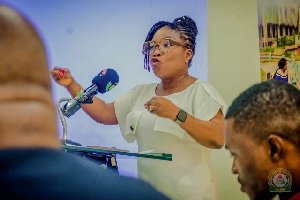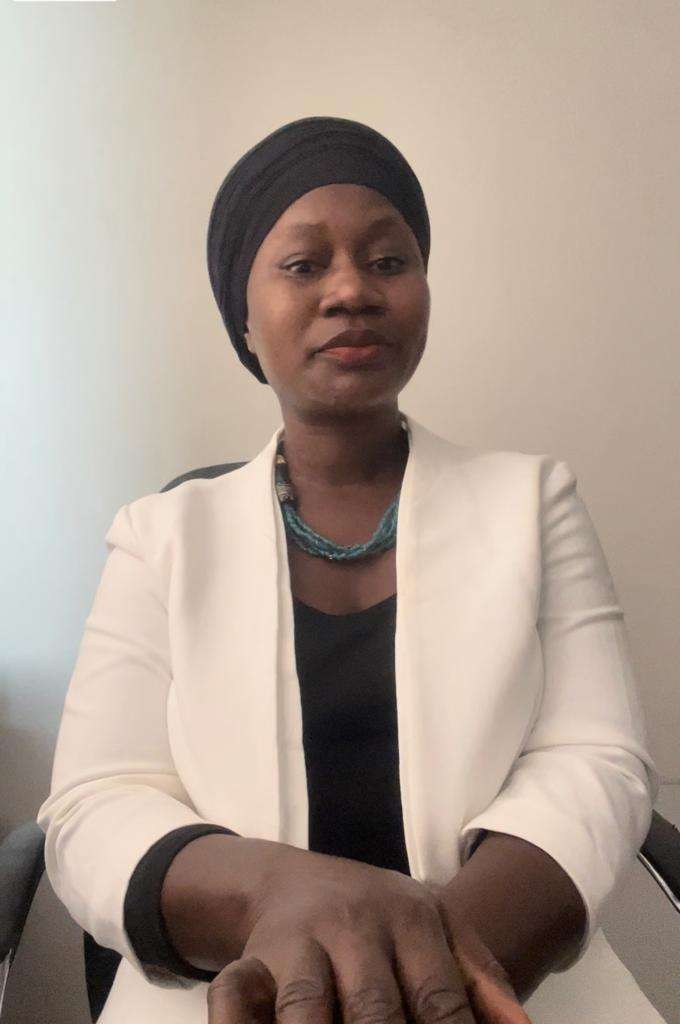
Ghana’s political parties are falling short in their role as vehicles for democratic change and citizen empowerment, according to political analyst and University of Education, Winneba lecturer, Dr. Maliha Abubakar.
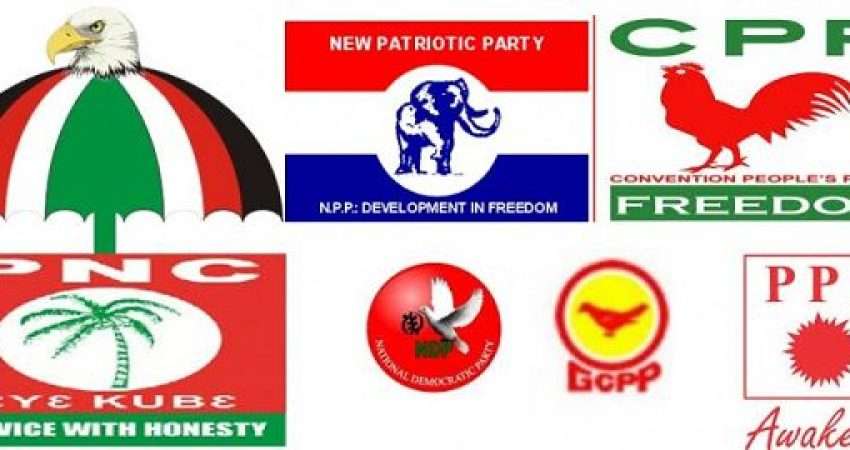
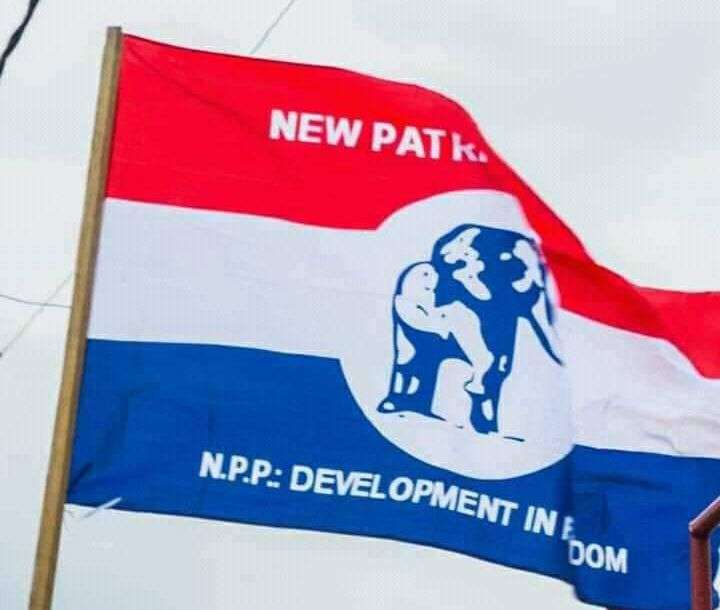
Speaking in an interview with the Vaultz News, Dr. Abubakar expressed concern that the nation’s major parties—New Patriotic Party (NPP) and National Democratic Congress (NDC)—have become default options rather than credible agents of progress.
Dr. Abubakar emphasized the persistent dominance of these two political parties, which she described as “government in waiting.”
Although Ghana operates as a multi-party democracy, she believes only the NPP and NDC have functioned as serious contenders, while smaller parties merely pad the numbers.
“In Ghana, since the emergence of the fourth republic, we have not had very effective political parties capable of being referred to as government or parties that could easily ascend to government.”
Dr. Maliha Abubakar
In her view, elections in Ghana have become a reluctant exercise in choosing between “the devil and the deep blue sea.”
Citing the 2020 election, Dr. Abubakar remarked that although the performance of the NPP was “very abysmal,” voters did not perceive the NDC as a better alternative. “It’s just the same people coming to do the same thing over and over again,” she noted.


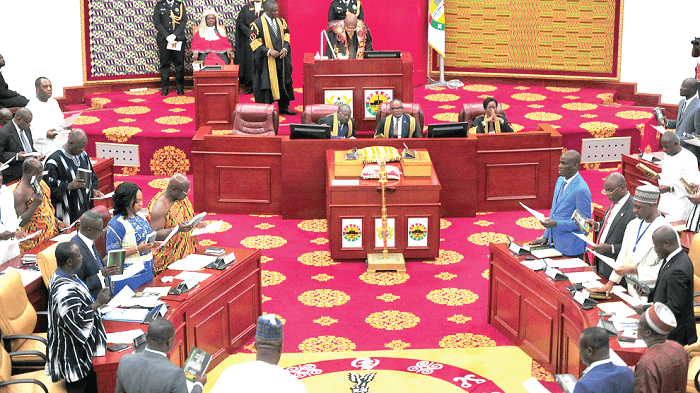
During the most recent 2024 election cycle, however, she observed a slight shift. While criticizing the NPP’s deteriorated performance, she acknowledged that the NDC, in opposition, showed greater vigor in parliamentary engagements.
“They ensured that certain bad laws didn’t pass through Parliament,” she said, though she admitted their actions were inconsistent, often “in bed with the government” when it suited them.
The deeper issue, Dr. Abubakar argued, lies in the absence of viable alternatives. “Political parties have not really served so well in terms of providing voters with alternatives.”
Ghanaians, in her view, often vote out of frustration, not conviction. Smaller parties, she explained, lack nationwide infrastructure and do not present compelling policy options.
Culture of Deference, Weak Institutions Undermine Ghana’s Opposition
Furthermore, Dr. Abubakar emphasized that cultural dynamics also undermine the effectiveness of opposition parties, lamenting that “as soon as people assume political office, instead of them to serve, the citizens now tend to serve them.”
This deferential culture, combined with politicians’ ability to distribute resources without accountability, reinforces a cycle of patronage and weakens public scrutiny.
Institutional dysfunction further aggravates the situation. Despite a proliferation of anti-corruption bodies, enforcement remains lax.
“Most of our institutions don’t work,” she said, citing the unresolved Cecilia Dapaah case as an example. “It’s just like business as usual.”
Dr. Abubakar also criticized the influence of financial co-optation on smaller political parties. Without independent funding, many become beholden to the major parties.
“You can easily tell how this party would act when a particular major party is in power and how another party will act when another major political party is in power. So the lack of resources makes it possible for the main political parties to buy them off by providing them with resources. If the government can give your party money, then you do not have the legitimacy to question their policies.”
Dr. Maliha Abubakar
According to her, these parties become active only during election cycles and vanish thereafter, unable to sustain their presence due to lack of resources.
Looking forward, she remains cautiously optimistic. The 2024 elections, she suggested, revealed a shift in public consciousness. “The Ghanaian spirit has been awakened,” she declared. Citizens are increasingly unwilling to tolerate “business as usual.”
However, she doubts the NPP’s ability to reclaim public trust anytime soon. “There is still so much internal wrangling within the NPP,” she noted.
To recover, she advised, the party must engage in genuine introspection, particularly by revisiting the Michael Oquaye report. Rebranding, she emphasized, will require more than rhetoric—it demands credible leadership and reform.
Political Parties Urged to Reform as NPP Falters
Moreover, Dr. Maliha Abubakar described the NPP’s performance as a credible opposition to government or in parliament as dismal. “I have not seen any serious counteraction towards any government policy from them.”
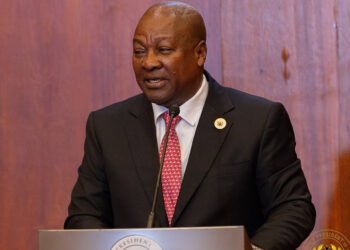
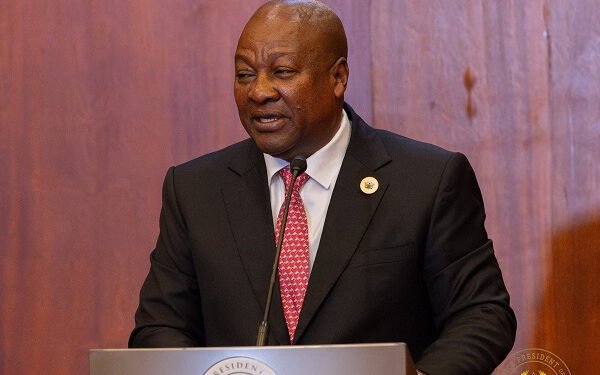
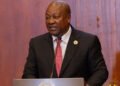
She pointed out that there is scant indication the party presents a significant challenge to the NDC ahead of the 2028 elections—particularly in light of President John Mahama’s growing momentum.
Yet the absence of a strong third force remains a glaring gap. “Do we have a third force that can match the NPP and the NDC? The answer is certainly no.”
Nevertheless, she floated the idea of mergers among emerging parties such as the Movement for Change (MFC) and the New Force. “If these two parties can come together, they can be a force to contend with.”
She pointed out that while electoral victory might still be elusive, such an alliance could inject much-needed competition into Ghana’s political parties landscape.
However, Dr. Abubakar believes that effective checks on government power should not rely solely on opposition parties.
Ghana’s constitutional framework provides for the executive, legislature, and judiciary to serve as mutual counterweights. Yet with the legislature now tilted toward the NDC, she finds it inadequate as a check on the executive.
“But remember, in the run-up to the 2024 elections, those who did the checks were not just the NDC. The civil society played a crucial role, and the media also played a crucial role. So even in the face of weak political parties, in the face of a weak opposition in parliament, we still have civil society organizations, and we still have the media. In fact, social media played a very crucial role in the last election.”
Dr. Maliha Abubakar
Ultimately, Dr. Abubakar remains optimistic about the future of Ghana’s democracy, placing her hope in the growing engagement of ordinary citizens. “Our democracy is not in danger.”
She believes that while the current state of political parties may be disappointing, the vibrancy of civil society, the influence of the media, and the power of social media have become crucial forces in holding leaders accountable.
For Ghana’s democracy to truly flourish, however, political parties must adapt and respond to the evolving expectations of the electorate.
If they fail to offer credible alternatives and meaningful leadership, they risk being overtaken by an increasingly vocal and impatient population that is no longer willing to accept politics as usual.