
Ghana’s road safety crisis has reached a critical and alarming threshold, with the Police Motor Traffic and Transport Department (MTTD) revealing that a staggering 2,600 people have been killed in road crashes between January and November 2025.
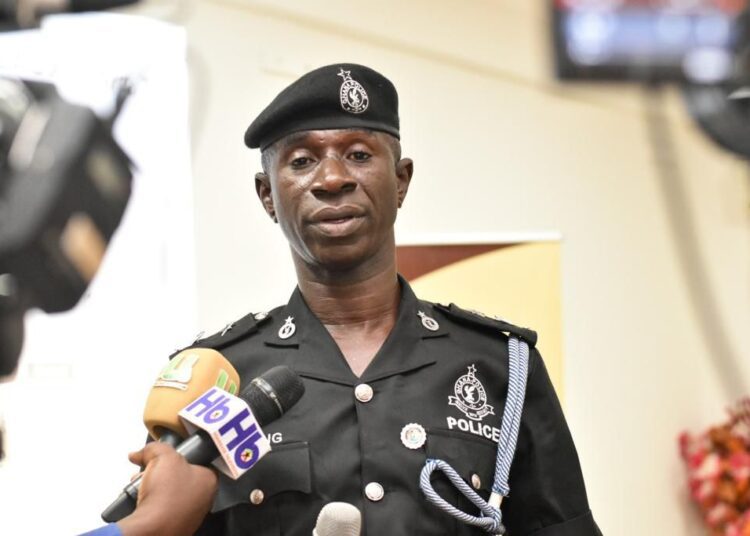
This disturbing figure was disclosed by Chief Superintendent Alexander Kwaku Obeng, Director of Education, Research and Training at the MTTD, who warned that the persistent rise in fatalities points to a deepening national crisis, poised to worsen as the country enters the traditionally perilous Christmas festive season.
“The current state of affairs is perplexing – the persistent rise in crashes demonstrates that current safety interventions are proving inadequate to stem the tide of preventable deaths in the country”
Chief Superintendent Alexander Kwaku Obeng, MTTD Director of Education, Research and Training
He emphasized that without urgent, collective action from all stakeholders, the nation faces a heightened risk of tragic incidents during the Yuletide season, notorious for increased traffic and heightened risky behaviour.
Beyond the heartbreaking death toll, the statistics revealed the enormous scale of vehicular destruction and human injury affecting the nation’s productivity and healthcare system. The MTTD recorded a total of 13,000 road crashes within the 11-month period, involving over 22,000 vehicles, spanning private cars, commercial vehicles, and motorcycles.
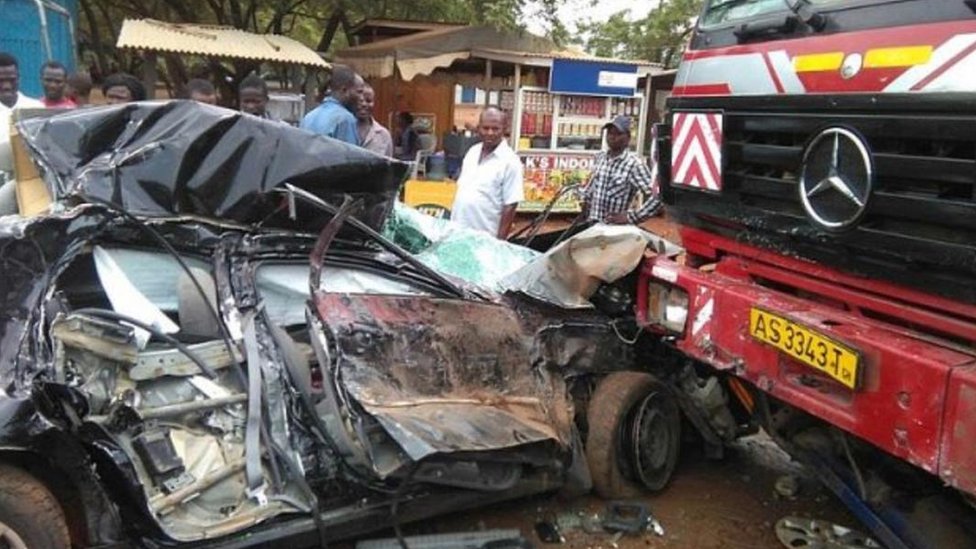
Furthermore, these crashes left another 13,000 Ghanaians sustaining injuries of varying degrees. The sheer number of severe cases has, according to the MTTD, placed an enormous and unsustainable burden on both affected families and the national healthcare infrastructure, which is forced to deal with the constant influx of trauma cases.
“The national road safety problem in Ghana calls for all hands on deck,” Chief Supt. Obeng emphasized, stressing that the responsibility to save lives must move beyond the regulatory bodies to include every road user.
Disproportionate Victims and Risky Behaviour
A closer examination of the fatality data by Chief Supt. Obeng further revealed a concerning demographic disparity, which the MTTD directly linked to risky behaviour on the roads.
He explained that of the 2,600 lives lost, 1,937 were male, while approximately 492 were female. The significantly wide gap, Chief Supt. Obeng noted, reflects the risky habits often associated with male road users, particularly motorcycle riders, who continue to dominate the severe injury and death trends.
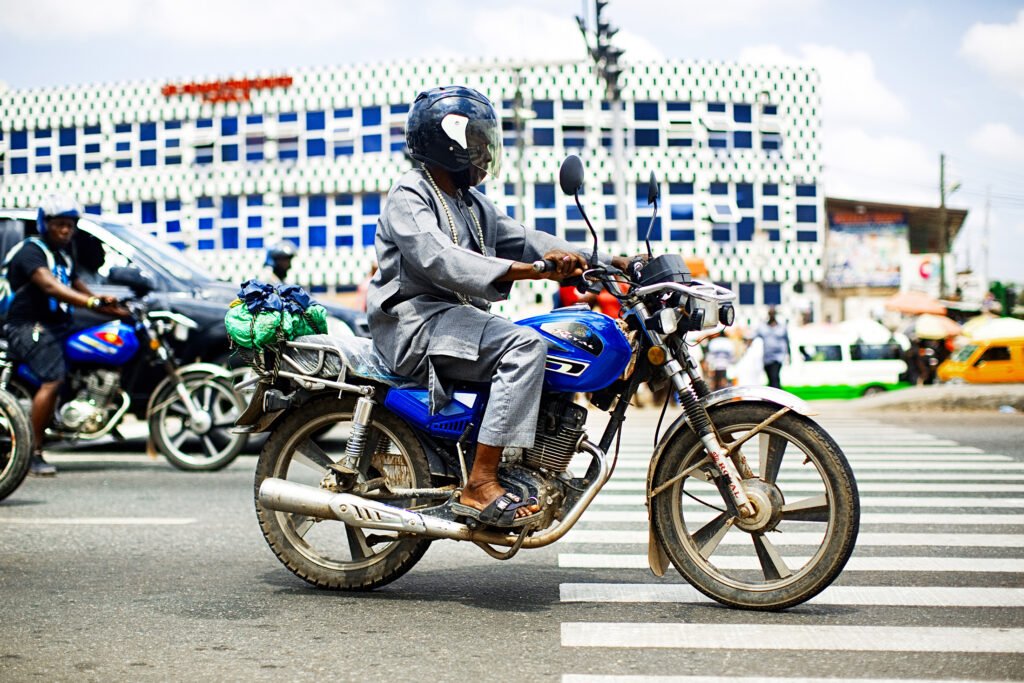
“Many of these deaths are linked to motorcycle crashes,” the Director disclosed, underscoring the necessity for specific regulatory and educational focus on the operation of two-wheeled vehicles and their impact on vulnerable road users.

Motorcycle-related incidents, involving commercial, private, and unregistered riders, continue to account for a dominant portion of the overall severity of accidents, contributing disproportionately to the high rate of deaths and debilitating injuries.
The statistics also highlighted the severe vulnerability of the country’s most exposed population: pedestrians. The data showed that 550 pedestrians lost their lives simply by walking along or attempting to cross the road.
With the death toll rising and the busy Yuletide season in full swing, Chief Supt. Obeng issued a final, urgent caution to the entire populace.
He stressed that the persistent rise in crashes clearly indicates that existing safety measures are not working as intended. The way forward requires a multifaceted approach focused on accountability and responsibility.
“Without stronger collective action – stricter compliance, rigorous enforcement and more responsible behaviour from all categories of road users – the death toll could rise even further during the festive season”
Chief Superintendent Alexander Kwaku Obeng, MTTD Director of Education, Research and Training
The MTTD’s message is unequivocal: to prevent the annual surge in fatalities during the holidays, every driver, pedestrian, and motorcyclist must prioritize sound judgment and rigorous compliance with traffic regulations.
The effort must be a shared national commitment to uphold road safety tenets and safeguard the dignity of lives against the crisis of national recklessness.
READ ALSO: Lithium Deal: Backlash Was Loud Enough to Force Desperate Withdrawal from Parliament – Prof. Boadi