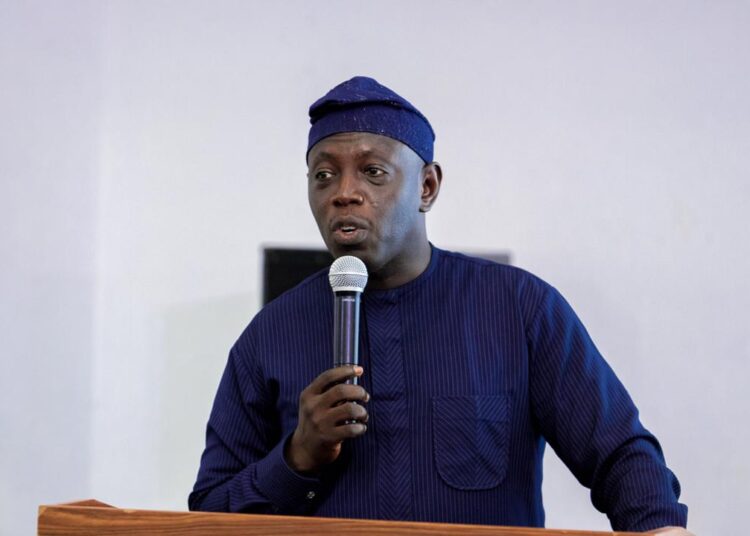
Prof. Isaac Boadi, Director of Institute of Economic Research and Public Policy (IERPP) has asserted that government was compelled to withdraw the revised Atlantic Lithium Agreement from Parliament following an intense public and civil society backlash over terms widely seen as detrimental to Ghana’s long-term national interest.
The core of the recent controversy revolved around the administration’s proposal to reduce the royalty rate from the previously negotiated 10% to a mere 5%.
This reduction however, was reportedly justified by the company’s claim of project viability concerns amid a sharp collapse in global lithium prices, which fell from approximately $3,000 per tonne to around $630 per tonne.
However, this rationale was fiercely contested by policy analysts, who argued that independent financial modelling demonstrated the project’s continued high profitability, making the royalty cut a direct transfer of state revenue to company shareholders.
“That our royalties, we are not having the best shot for our royalties. So increase from 5% to 10%. It was reviewed by this administration. And they said, well, because of the world price and all that, reduce it to 5%. If you check the entire document. Previous, I mean the documents. Fantastic work. 1% from the gross revenue. That will be used to develop host communities.”
Prof. Isaac Boadi
The previous agreement’s provision of a non-net 1% contribution from gross revenue for community development was lauded as a progressive step, ensuring that affected communities benefit directly from sales before costs are factored in.
The proposed reduction not only risked Ghana losing millions in potential revenue but also created a policy precedent that could undermine the country’s position in future negotiations over its critical green minerals.
The strong public and civil society rejection of the revised terms, particularly the royalty reduction, ultimately forced the hands of the executive arm of government.
Precedent of Withdrawal and Policy Inconsistency
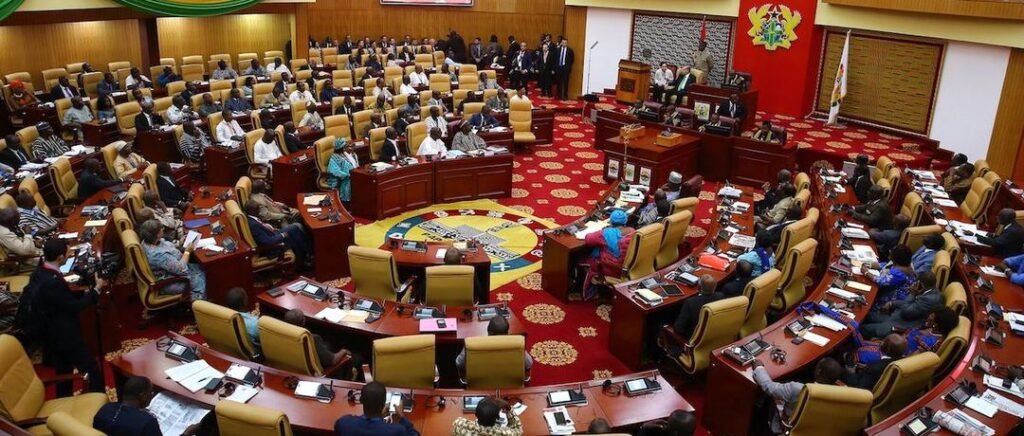
The withdrawal of such major mining agreement from Parliament due to public outcry underscores the urgent need for a more transparent and consultative approach in Ghana’s extractive sector negotiations.
While “there’s nothing wrong for an administration to backtrack or to review an issue,” the recurrence of such events, especially over deals involving resources crucial for the global energy transition, suggests a fundamental lack of due diligence at the executive level.
The controversy is compounded by the fact that the previous arrangement had been hailed for securing an “increase from 5% to 10%” in royalties, only for the same administration to later propose a reduction, citing the volatility of world prices.
This inconsistency risks damaging Ghana’s credibility as a reliable investment destination while also eroding public trust in the state’s ability to “get the best shot for our royalties.”
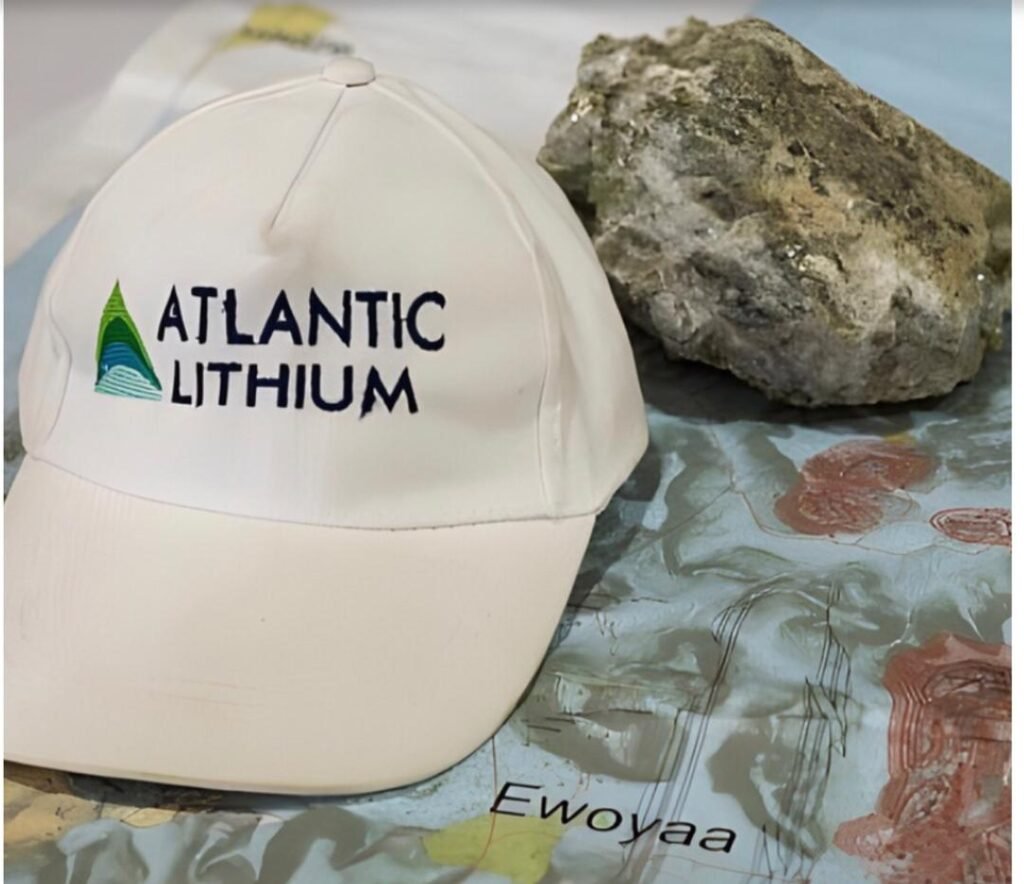
The temporary suspension of the agreement’s consideration, announced in Parliament, aims to allow for “additional consultations on Ghana’s mining code and royalty applications,” providing an opportunity to revisit the terms and integrate the public’s concerns, including better revenue safeguards against market volatility and stronger local beneficiation clauses.
The background of the Atlantic Lithium agreement, specifically the Ewoyaa Project, is fraught with long delays and disputes over commercial terms, even though it received environmental and mine operating permits.
The project, vital for Ghana’s emergence as a key player in the electric vehicle supply chain, has been stalled for over two years.
The public concerns were clear: the initial 10% royalty was seen as a baseline, with calls for additional mechanisms like “windfall revenue or profit” adjustments.
The fear was that locking the country into outdated or low fiscal terms would lead to the country suffering the “gold curse,” where valuable minerals are exported cheaply with limited benefit to the citizens.
The withdrawal, therefore, is not an end but a crucial opportunity to re-calibrate and ensure the final agreement truly reflects Ghana’s strategic mineral policy, which advocates for greater state participation and value-addition.
Call for Stronger National Terms and Due Diligence
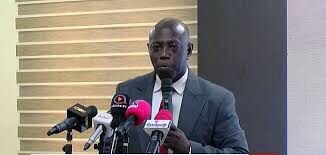
The Institute of Economic Research and Public Policy (IERPP), through its Director, was instrumental in mobilizing the response that led to the agreement’s withdrawal.
The Institute’s press conference, combined with similar efforts from other civil society organisations, was a pivotal moment.
The action taken by the government following this widespread public resistance is a clear validation of the citizens’ call for better governance and fiscal terms in the management of national resources.
According to Prof. Boadi, final renegotiation must now be comprehensive, addressing the concerns about the reduced royalty, the lack of competitive bidding, and ensuring robust local content and beneficiation strategies are firmly embedded.
The withdrawal gives Parliament and the government the leverage to demand a contract that secures a greater share of value for the Republic, potentially avoiding the scenario of losing a projected $630 million by reducing the royalties.
The public attention on the issue, especially after the IERPP’s intervention, underscores the critical oversight role civil society plays in holding the government accountable for decisions impacting strategic national assets.
The hope is that this forced withdrawal will lead to a better deal for all Ghanaians, moving away from previous agreements that were seen as not maximizing the national benefit from the country’s mineral wealth.
READ ALSO: Dr Edward Botchway Crowned SSI Impact CEO as Absa Leads Ghana’s Social Investment Revolution