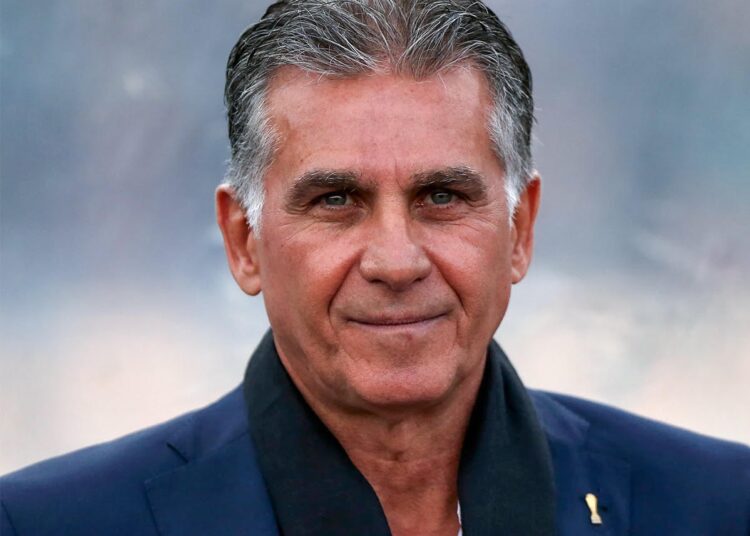
Portuguese coach Carlos Queiroz has confirmed his departure as head coach of Ghana’s Black Stars following their elimination from the 2026 FIFA World Cup.
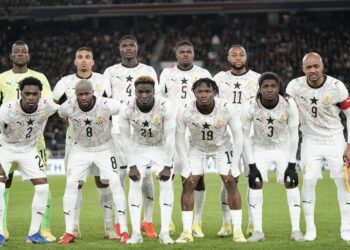
The decision comes just two days after Ghana exited the tournament in the round of 32 after a narrow 1-0 defeat to Colombia.
Queiroz took charge of the national team only three months ago after Otto Addo was sacked just months to the World Cup. In a brief but eventful spell, he guided Ghana beyond the group stage for the first time in 16 years, restoring competitive stability on the global stage.
His departure closes a short chapter where he became only the third coach to qualify the team into the World Cup knockout phase, following earlier achievements under Ratomir Dujković in 2006 and Milovan Rajevac in 2010.
Despite public calls for continuity, including from captain Jordan Ayew, who had expressed hope that Queiroz would remain in charge, the 73-year-old has opted to walk away, describing his time with the Black Stars as both fulfilling and incomplete.
“You Either Win Or You Learn” – Queiroz Reflects on Ghana Stint
In a farewell message share on his social media pages, Queiroz framed his experience in philosophical terms, insisting that football offers only two outcomes for those in leadership. “Football, like life, teaches us one timeless lesson: you either win or you learn,” he said.
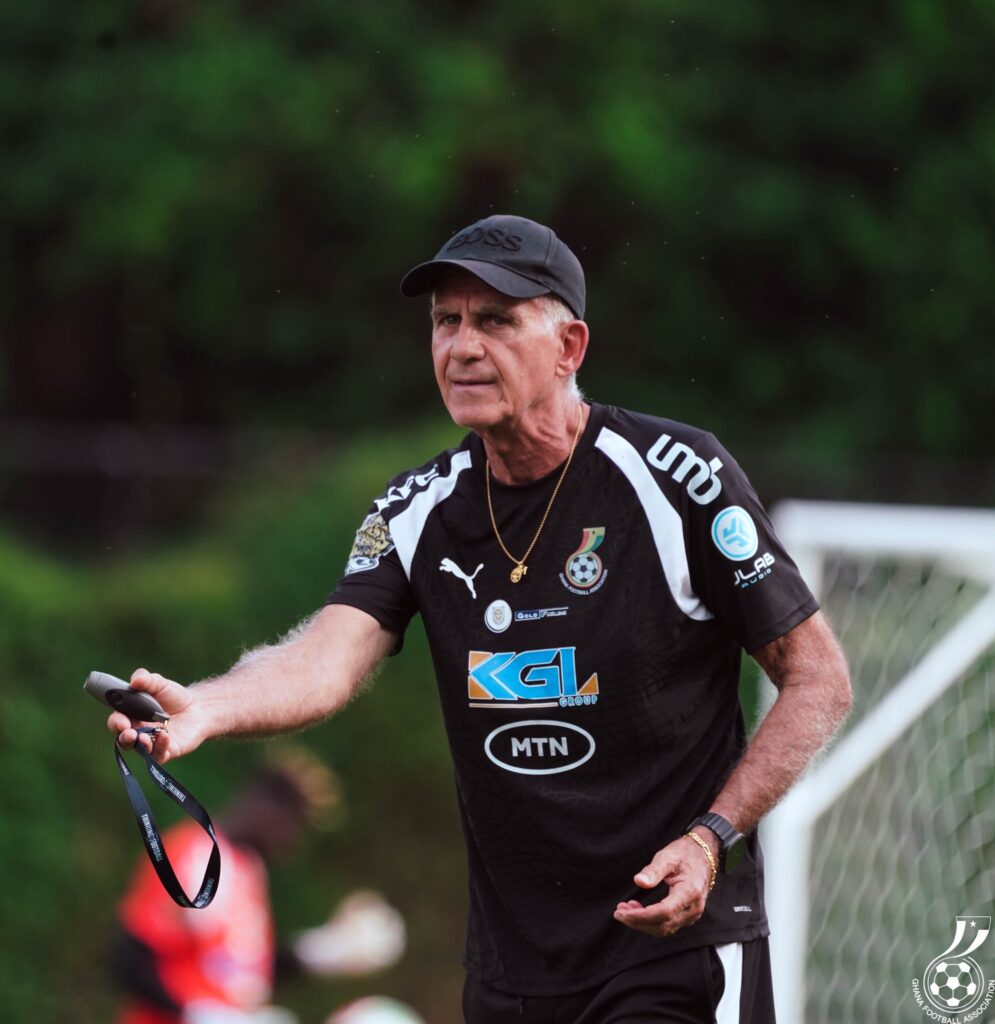
He added that while Ghana’s journey ended earlier than desired, there were important gains made in mentality and structure during his brief tenure. He stressed that reaching the knockout stage should not be seen as a final achievement but a platform for greater ambition.
“I leave this journey with pride in what we achieved, but also with the healthy dissatisfaction of those who always wanted more.”
Carlos Queiroz
Ghana’s Structural Challenges Take Centre Stage
Queiroz used his farewell to highlight what he believes are deeper issues affecting the national team beyond matchday performance.
According to him, long-term success will depend on improving preparation systems and the broader football environment and noted that, “the future of the Black Stars will not be built only on the pitch,”
Queiroz also added that, “Success must start off the field, by creating the best possible environment to prepare, protect and develop Ghana’s extraordinary football talent.”
His comments point to ongoing debates within Ghanaian football about infrastructure, player development pathways, and consistency in technical direction. His short tenure reignited conversations about stability in coaching appointments and the need for long-term planning.
Gratitude, Transition And Unfinished Business
Queiroz expressed appreciation to the Ghana Football Association leadership for the opportunity to manage the national team at a World Cup. He described the role as an honour and a privilege, and thanked both players and staff for their commitment during a condensed preparation period.
“To my President and Board, thank you for the opportunity to serve the Ghana National Football Team. It was an honour and privilege to serve the country and the Black Stars.”
Carlos Queiroz
He also acknowledged the supporters, noting that while the team did not achieve full sporting satisfaction, they restored some respect and competitiveness on the global stage.
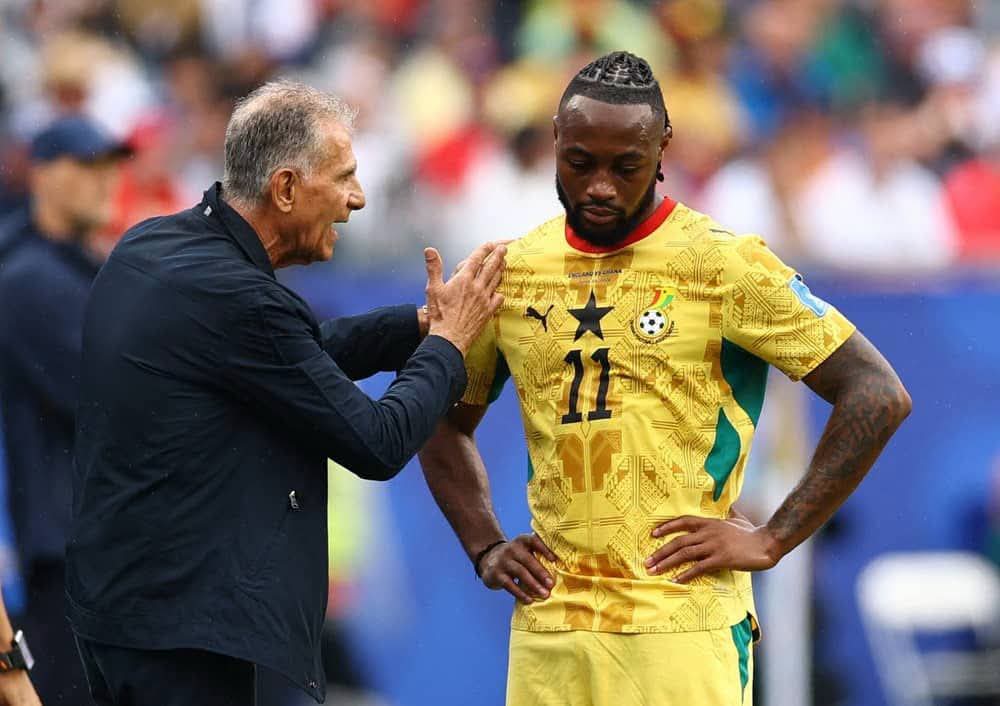
Queiroz departs after managing at his fifth World Cup tournament, having previously led Portugal and Iran before his short spell with Ghana.
His exit leaves Ghana searching once again for stability as they attempt to build on their return to the knockout phase and plan for the next cycle of international competition with the Africa Cup of Nations qualifiers set to begin in September ahead of the main tournament in 2027.
READ ALSO: Defamation Law Demands Truth Defence From Journalists — Tanko Musah