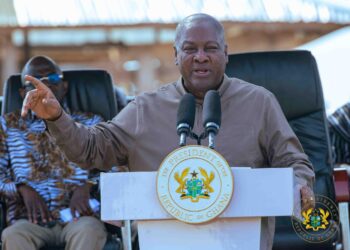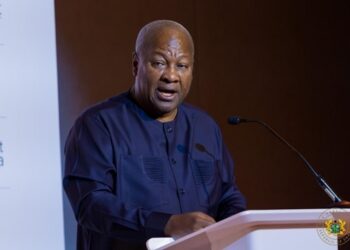
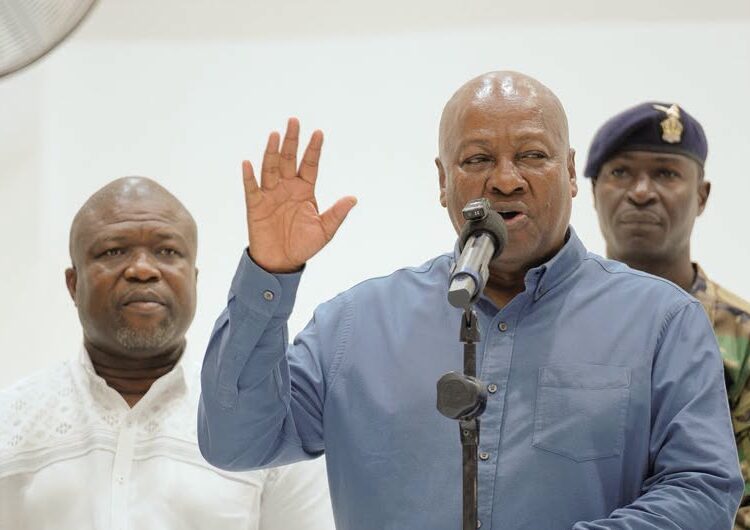
President John Dramani Mahama has reiterated that his focus remains firmly on delivering the mandate entrusted to him by Ghanaians rather than engaging in the growing debate over presidential term limits before the Supreme Court.
Speaking during a Citizen Engagement session at Ho Technical University as part of his two day Resetting Ghana Tour of the Volta Region, the President said he intends to use his current tenure to fulfil the commitments he made to the electorate.
His remarks come at a time when the Supreme Court is considering three separate constitutional cases seeking an interpretation of Article 66(2) of the 1992 Constitution.
The lawsuits raise questions about whether Ghana’s presidential term limit constitutes a lifetime cap of two terms or applies only to two consecutive terms, an issue that could affect President Mahama’s constitutional eligibility to contest the 2028 presidential election.
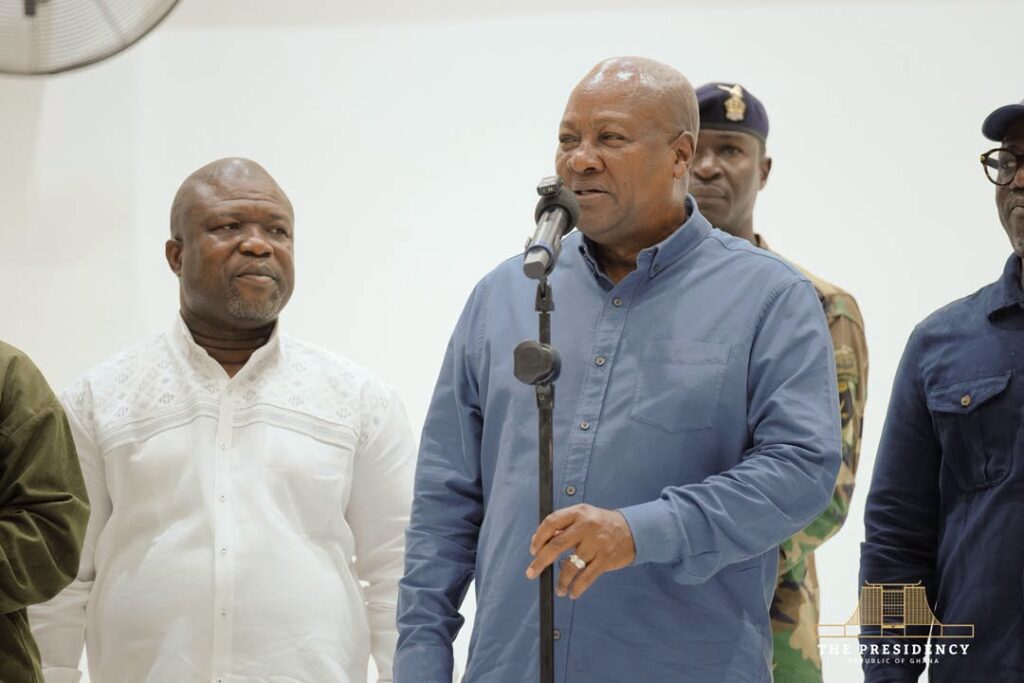
Addressing participants at the engagement, President Mahama thanked Ghanaians for the confidence they had placed in him and stressed that he remained committed to justifying that trust through performance rather than political speculation: “The people of Ghana gave me a mandate for one term, and I am working hard to meet the promises I made to them.”
President urges ministers to work with urgency
President Mahama said he has consistently reminded members of his administration that time is limited and that every day in office should be devoted to fulfilling campaign promises. “And so I always tell my ministers, I say let’s number our days so that we can work harder to meet the promises we made the Ghanaian people,” he stated.
His comments underscored his emphasis on accountability and urgency as the government pursues its policy agenda. Rather than dwell on future political possibilities, the President said his administration remains focused on implementing programmes that improve the lives of citizens during the mandate they have received.
He acknowledged that the legal debate surrounding presidential tenure had attracted public attention but maintained that individuals seeking judicial clarification were entitled to do so under Ghana’s constitutional framework.
Mahama says constitutional interpretation belongs to the courts
Referring to the pending cases before the Supreme Court, President Mahama said he personally believed the constitutional provision governing presidential tenure was straightforward. However, he emphasised that the judiciary had every right to interpret the Constitution when requested.
“I know that people have gone to the Supreme Court seeking interpretation of the clause that governs the tenure of the president. If you ask my personal opinion, I think that it was clear enough. I’ve read it over several times. It’s exactly what it says.”
President John Dramani Mahama
Despite expressing confidence in his own understanding of the constitutional provision, President Mahama made clear that those who had filed the lawsuits were exercising their legal rights.
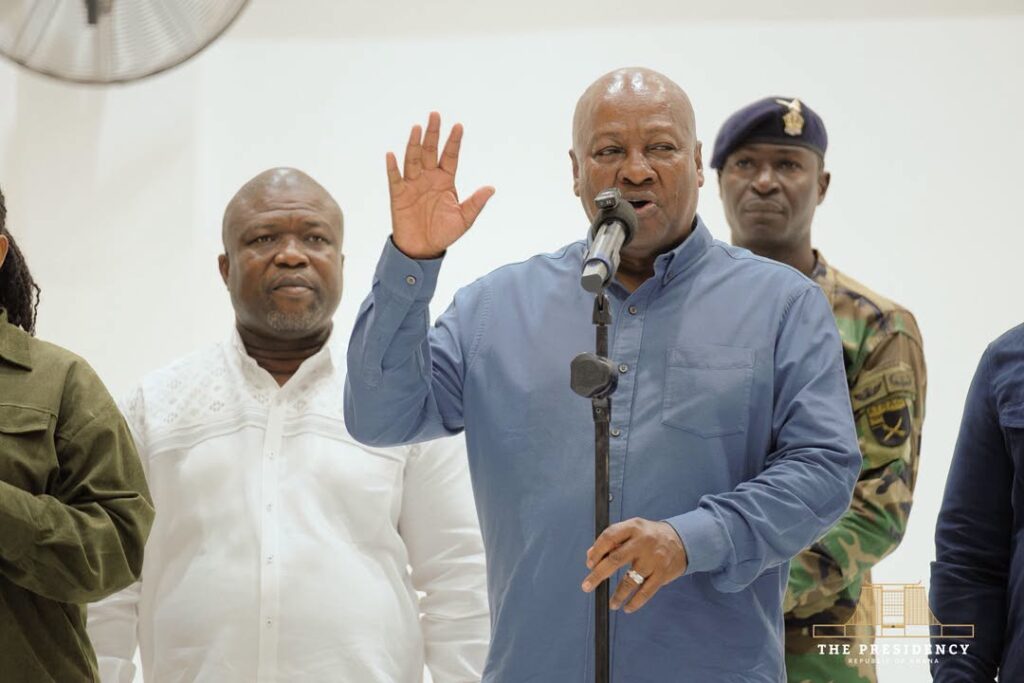
“But if they want to ask the Supreme Court, that is their business. But I know that the people of Ghana gave me one additional term and I’m going to work to meet the trust that they put in me.”
President John Dramani Mahama
Three constitutional suits seek interpretation of Article 66
President Mahama’s comments come as three separate suits remain before the Supreme Court, each seeking an authoritative interpretation of Article 66(2) of the 1992 Constitution.
The constitutional provision states that a person shall not be elected to hold office as President of Ghana for more than two terms. However, the current legal dispute centres on whether that restriction applies as an absolute lifetime limit or only to two uninterrupted terms in office.
According to court records, the earliest of the three cases, Azubila E. Salam v. Attorney General (J1/4/2026), was originally filed on December 23, 2025. A second suit, Kenneth K. A. Kuranchie v. Attorney General (J1/20/2026), was filed on June 30, 2026, by journalist and editor Kenneth Kuranchie.
The third action, Ganiwu Alhassan v. Attorney General (J1/21/2026), was submitted on July 9, 2026, by Ganiwu Alhassan, a teacher from Kpandai. Collectively, the three cases ask the Supreme Court to determine the meaning and scope of Article 66(2), a decision that could establish an important constitutional precedent.
Competing interpretations shape national debate
The cases before the court present two contrasting constitutional interpretations. Supporters of what has become known as the consecutive terms argument contend that Article 66(2) prevents only a sitting president from serving more than two consecutive terms.
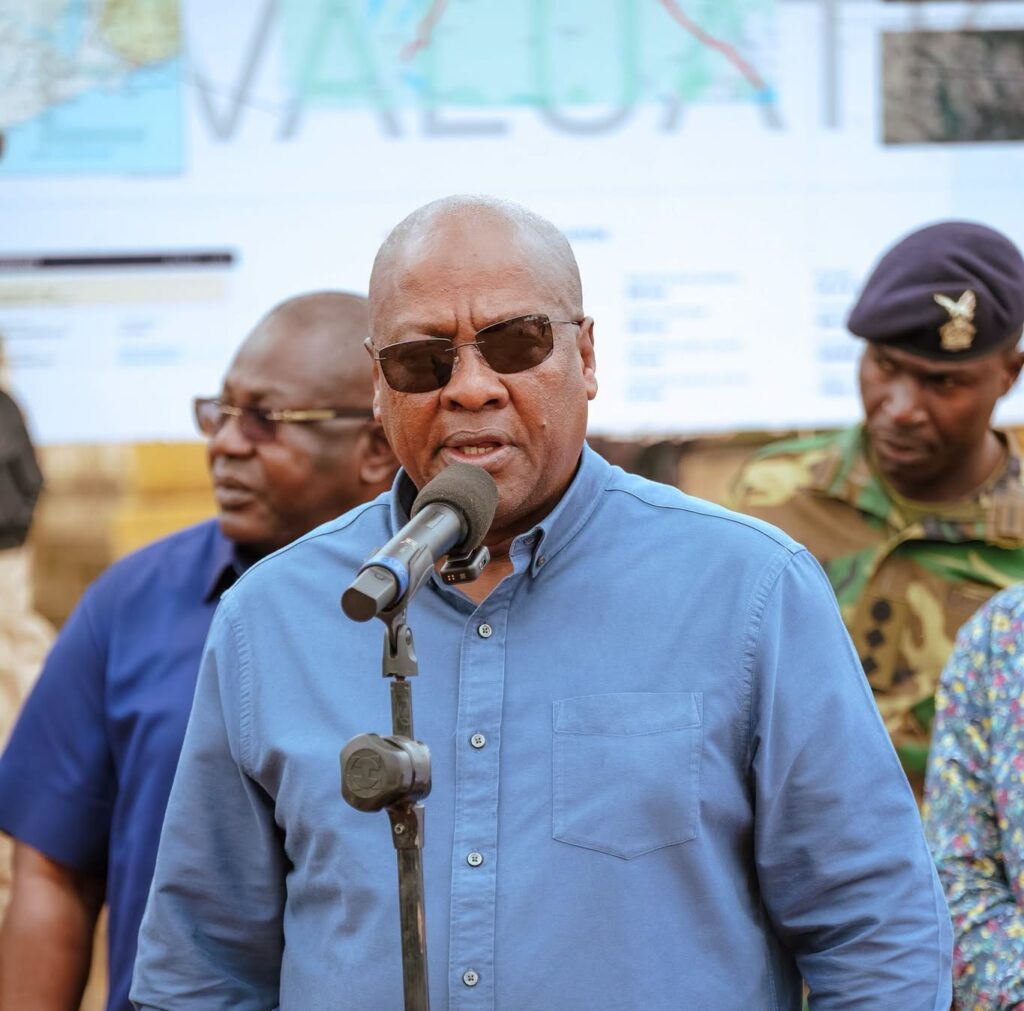
They argue that because President Mahama’s first administration ended in 2017 and was followed by the presidency of former President Nana Addo Dankwa Akufo Addo, his current term is not consecutive with his previous one. They therefore maintain that he could remain constitutionally eligible to contest another election.
Opponents reject that interpretation, arguing that the Constitution clearly establishes a lifetime maximum of two elected presidential terms. They note that Article 66(2) refers simply to “more than two terms” and does not include the word “consecutive.”
Many constitutional lawyers and senior figures within the opposition New Patriotic Party have advanced this interpretation, insisting that the provision imposes a firm lifetime limit.
Public debate continues as court prepares to rule
The constitutional question has generated significant discussion among political leaders, legal scholars, and civil society organisations.
President Mahama has repeatedly stated through official public engagements, including remarks made during a diplomatic visit to Singapore, that he has no intention of seeking a third presidential term or pursuing constitutional amendments to extend his stay in office beyond 2028.
Meanwhile, civil society organisations and constitutional experts have urged the Supreme Court to safeguard Ghana’s established democratic framework. Some have cautioned that attempts to extend presidential tenure have contributed to political instability in parts of West Africa.
Within the opposition New Patriotic Party, senior officials have indicated that they will oppose any constitutional interpretation they believe expands presidential term limits.
At the same time, former party chairman Freddie Blay has observed that while the Supreme Court will determine the legal position, the electorate ultimately decides who governs through the ballot box.
As the legal proceedings continue, President Mahama has maintained that his immediate priority is not constitutional speculation but delivering on the mandate Ghanaians entrusted to him. His message in Ho was consistent and unequivocal. The government, he said, remains focused on meeting its promises within the term voters have granted.
READ ALSO: Petroleum Commission Secures $15m Halliburton Partnership