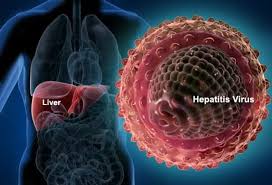
An estimated three million Ghanaians are currently living with hepatitis B, yet fewer than one percent of those infected nationwide know their status, according to Dr John Gerald Adiboka, Programme Manager for the National Viral Hepatitis Control Programme at the Ghana Health Service.
Speaking on the scale of the disease burden and the response being mounted against it, Dr Adiboka laid out figures showing that viral hepatitis remains far less understood by the public than diseases such as HIV, despite infecting a comparable, and in some respects larger, share of the population.
According to Dr Adiboka, Ghana’s hepatitis B prevalence stands at around nine percent of the population, translating to roughly three million people carrying the virus, the vast majority unaware of their infection.
Alongside hepatitis B, he said about 500,000 Ghanaians, representing two to three percent of the population, are living with chronic hepatitis C infection.
“Most people living with hepatitis B have no symptoms. They often do not know they are infected until the disease has progressed to chronic liver disease, cirrhosis or liver cancer.”
Dr John Gerald Adiboka,
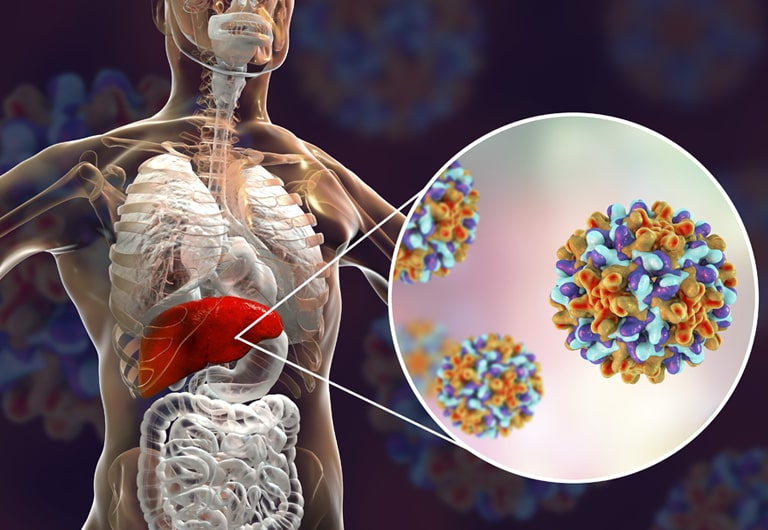
He noted that the awareness gap is severe enough that fewer than one percent of infected Ghanaians are aware of their status, leaving the overwhelming majority undiagnosed until symptoms eventually force them to seek care.
Mother to Child Transmission Identified as the Main Driver
Dr Adiboka identified maternal transmission, where an infected mother passes the virus to her child during childbirth, as the leading route of infection in Ghana, rather than the sexual transmission many people assume.
He explained that children infected at birth face a 95 percent chance of becoming lifelong carriers, compared with less than five percent of adults who are only exposed later in life, a distinction he described as central to understanding why the disease has taken hold so widely in the country.
He also pointed to the largely symptomless nature of viral hepatitis as a major obstacle to early detection, noting that most infected people feel entirely well and only discover their status through testing, often not presenting to health facilities until the disease has progressed to chronic liver disease, cirrhosis, or liver cancer.

National Campaign to Push Awareness, Testing and Treatment
To close the awareness gap, Dr Adiboka said the Ghana Health Service is running a national campaign spanning all regions, districts, hospitals and communities, encouraging regional hospitals, district health directorates and civil society groups to organise radio talks, health walks and screening events.
He said the Ghana Association for the Study of Liver and Digestive Diseases, along with other professional societies, has already been carrying out screening activities across the country as part of the wider push.
He said chiefs and other local leaders are being drawn into the campaign because many people at the community level lack the means or opportunity to access screening on their own, adding that the rollout of Free Primary Health Care is expected to help bridge that gap, since viral hepatitis screening now falls under the free care package.
Dr Adiboka confirmed that hepatitis screening events being organised under the campaign are free to attend, and that testing is also covered under the National Health Insurance Scheme, with further work under way to ensure it is fully integrated into the Free Primary Health Care programme as that rollout continues.
World Hepatitis Day Launch Set for 28th July
The campaign is set to culminate in a national World Hepatitis Day event on 28th July, which Dr Adiboka said will formally launch the day’s programme of activities and bring together dignitaries alongside further public awareness efforts.

On prevention, Dr Adiboka confirmed that hepatitis B is preventable through a widely available three-dose vaccine, administered on a schedule starting at day zero, followed by a second dose after one month and a third after six months. He said a completed, potent vaccination course offers protection for life, reinforcing his closing message that prevention remains far more effective than treating the disease once it takes hold.
Myths Around Transmission Persist Despite Medical Evidence
Dr Adiboka also used the campaign to push back against persistent misconceptions surrounding the disease, including the belief among some patients that a hepatitis B diagnosis is a curse, and the assumption that infection is linked to sexual immorality.
He stressed that, in Ghana’s context, the dominant transmission route is from mother to child at birth rather than through sexual contact, a distinction he said remains poorly understood even as the national campaign works to correct it.
READ MORE:Mahama Urges Compassionate Care, Touts Free Primary Health Care Gains