
The tribunal bill has reopened debate over the balance between constitutional reform and executive decision making, with questions emerging about whether Parliament is moving ahead of the broader constitutional review process. The legislation seeks to revive regional and district tribunals, a development that has generated sharp disagreement among political actors and civil society groups.
Discussion around the bill has intensified following concerns that some constitutional review recommendations may be accepted while others are set aside before they are fully considered by all stakeholders. The debate has also drawn attention to the role of the executive in determining which proposals advance to implementation.
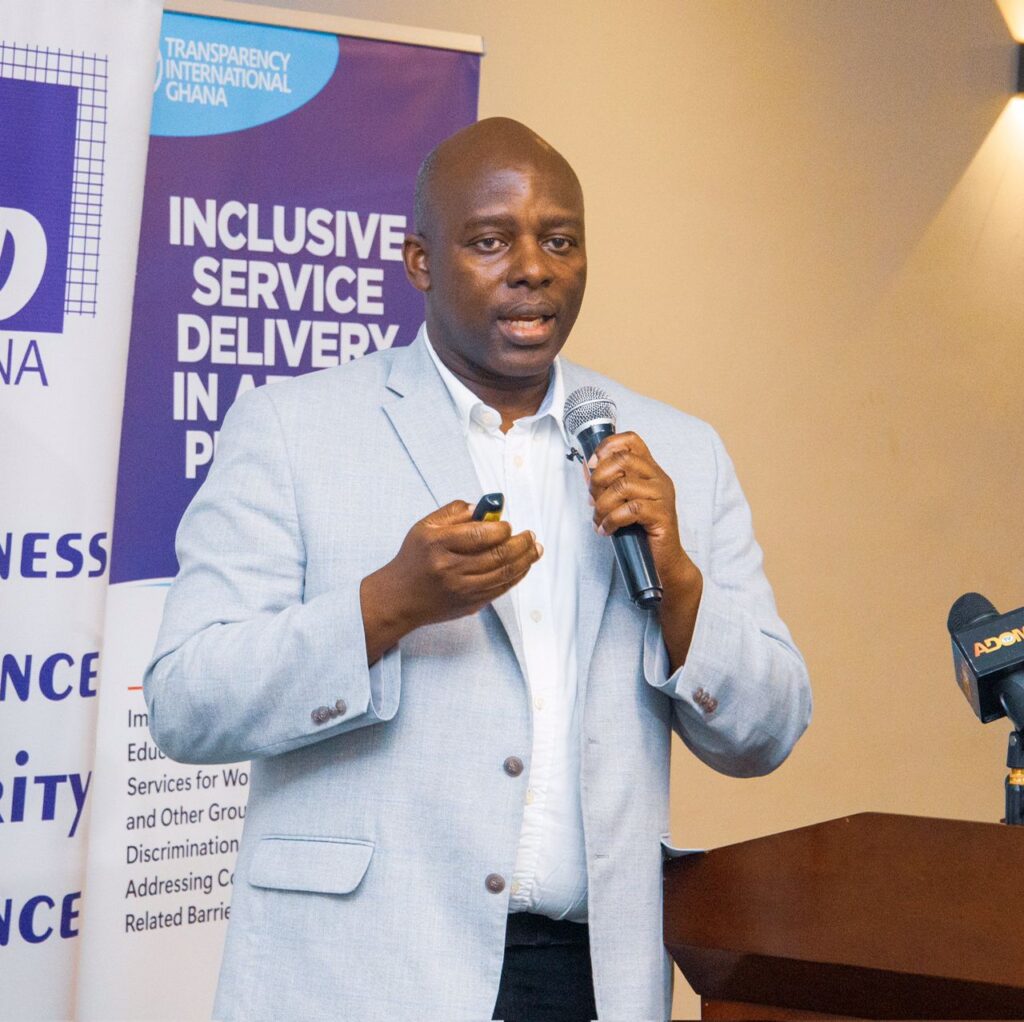
A Fellow at CDD-Ghana, Dr John Osae-Kwapong has described the possibility of selective adoption of constitutional review recommendations as unfortunate and urged broader engagement with democratic stakeholders. The CDD Fellow said the executive should not be seen as the sole actor determining the future of reforms proposed by bodies such as the committee chaired by Professor H. Kwasi Prempeh.
Addressing the issue, Dr Osae-Kwapong argued that academics, researchers, civil society organisations and citizens all have a legitimate interest in the outcome of the review process. He added that any indication that only preferred recommendations would move forward could weaken confidence in future consultation exercises.
“If the government comes out and says 128 recommendations were made and we accept 50 and reject the rest, I would find that unfortunate because the executive is only one stakeholder among all the democratic stakeholders.”
Dr John Osae-Kwapong
In light of this, the CDD Fellow said he was closely watching how the government would present its position on the recommendations and what effect that position would have on implementation. He noted that the absence of a formal white paper did not remove the need for transparency about how decisions would be made.
Moreover, Dr Osae-Kwapong linked the tribunal debate to a larger question of public trust in constitutional reform processes. He warned that if citizens perceive that consultation outcomes can be overridden, participation in future national exercises could decline.
The CDD Fellow observed that governments are entitled to state which recommendations they support, yet the process should not diminish the contributions of other stakeholders within the democratic system. He stressed that constitutional reform carries legitimacy only when citizens believe their views can influence the final outcome.
Implementation And Public Confidence To Determine Whether The Reintroduced Tribunals Gain Legitimacy
Dr John Osae-Kwapong argued that the passage of the Tribunal Bill would still leave significant questions about public confidence, implementation and prosecutorial discretion despite the safeguards included in the legislation. The CDD Fellow indicated that the long history associated with tribunals means that the new legal framework would face close public scrutiny even after parliamentary approval.
Addressing the implications of the new law, Dr Osae-Kwapong observed that the legislation appears to move ahead of ongoing constitutional review discussions that have earlier recommended removing tribunals from Ghana’s judicial architecture. He stated that the timing of the legislation naturally raise questions because the constitutional provision has existed since 1992 without activation.
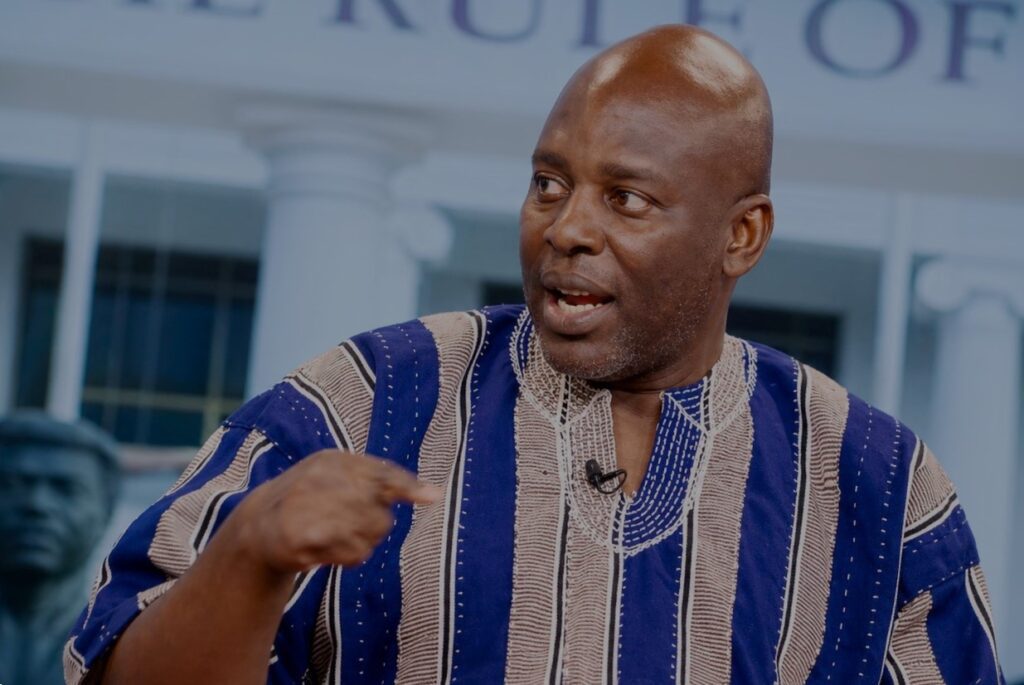
The CDD Fellow remarked that Parliament’s decision could be interpreted as settling the matter before recommendations from the constitutional review process has fully run their course. He indicated that many citizens would seek a clearer explanation for the urgency behind the legislation.
“If we have lived through three decades of this Constitution, why now? That is a question many people will naturally ask.”
Dr John Osae-Kwapong
Additionally, Dr Osae-Kwapong pointed to the issue of concurrent jurisdiction between the tribunals and existing courts. He suggested that prosecutors could face choices over where particular cases should be filed, making implementation guidelines an important part of the system.
The CDD Fellow explained that such discretion deserved careful attention because public confidence depended on transparent and predictable judicial processes. In his assessment, citizens would expect clear standards that promote fairness across every stage of prosecution.
Furthermore, he remarked that uncertainty over where cases could be initiated might influence public perception of the justice system. Consideration therefore should be given to ensuring that the legal framework inspires confidence among litigants and the wider public.
Referencing the historical image attached to tribunals, Dr Osae-Kwapong recalled that many Ghanaians continue to associate the institution with difficult experiences from earlier political periods.

He shared that his own childhood memories, together with experiences within his family, illustrated why rebuilding public confidence would require more than legislative reforms. The emphasis, he indicated, rested on convincing citizens that today’s tribunals would operate under entirely different standards.
“The historical burden would not simply go away with the insertion of guardrails. It is the effect we give to those guardrails that matters.”
Dr John Osae-Kwapong
Moreover, the CDD Fellow acknowledged that the new law incorporates oversight structures and appeal mechanisms that distinguished it from earlier tribunals. He nevertheless emphasised that those safeguards would ultimately be judged by how they function in practice.
READ ALSO: Messi Ready to Dent Yamal’s Dream as Argentina and Spain Clash for World Cup Crown