KNUST College of Health Sciences Provost, Prof. Fred Stephen Sarfo, has urged Ghanaians to prioritise regular blood pressure checks, warning that undiagnosed and poorly controlled hypertension can lead to preventable deaths.
Speaking during a medical outreach organised by the College, Prof. Sarfo identified high blood pressure as one of the most common health conditions currently affecting Ghanaians, describing it as a silent but significant contributor to deaths within communities across the country.
Prof. Sarfo explained that hypertension is particularly dangerous because it typically shows no obvious symptoms, meaning individuals can live with dangerously high blood pressure for extended periods without ever feeling unwell.
“High blood pressure is killing a lot of our people. The reason why high blood pressure kills a lot of people is because when you have high blood pressure, you will not feel that you are sick.”
Provost, Prof. Fred Stephen Sarfo

Because of this, he stressed, the only reliable way for anyone to know their blood pressure status is through regular screening, since the condition rarely announces itself through visible warning signs until it has already caused significant harm.
Early Screening Key to Preventing Deadly Complications
In response to this reality, organisers of the outreach made blood pressure checks a mandatory first step for every participant who attended, ensuring that each person left with at least a basic understanding of where their blood pressure levels currently stand.
Prof. Sarfo explained that this simple screening step forms the foundation for broader disease prevention, noting that effective control of blood pressure often has a positive ripple effect on managing other related conditions, including diabetes.
Prof. Sarfo used the outreach to reinforce a broader public health message about the importance of early detection, pointing out that some of the most life-threatening conditions affecting Ghanaians today, including hypertension, stroke, and heart attack, are largely preventable when identified and managed early through routine screening.
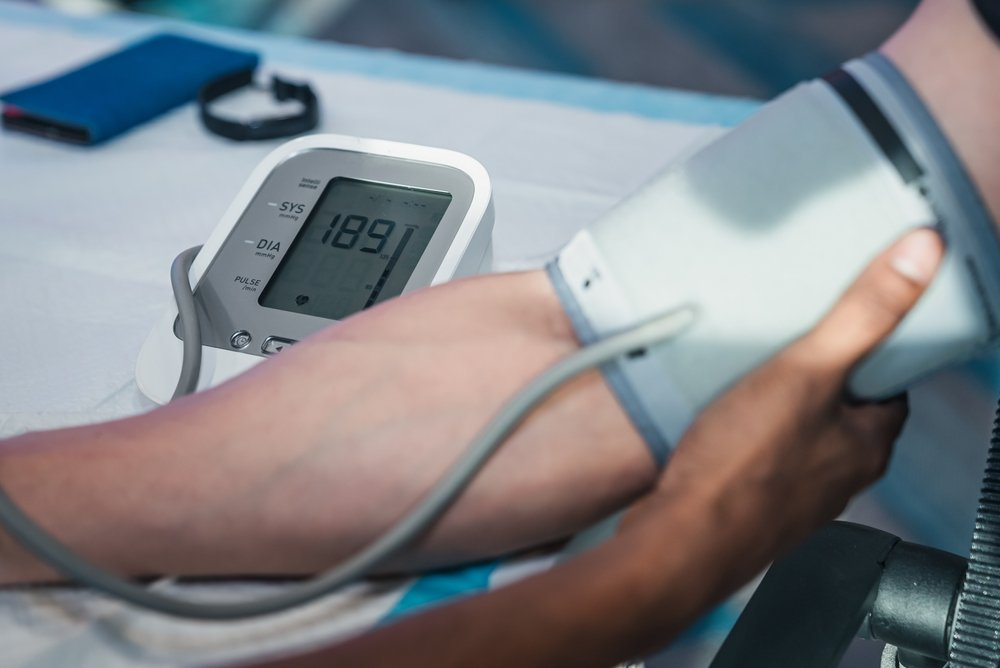
By catching these conditions before they progress, he explained, healthcare providers stand a far better chance of helping patients manage their health proactively, rather than treating emergencies that could have been avoided with earlier intervention.
Call for Continued Vigilance
The screening exercise formed part of a wider medical outreach programme organised by the KNUST College of Health Sciences, reflecting a growing trend among Ghanaian health institutions to take basic diagnostic services directly into communities rather than waiting for residents to seek care at hospitals and clinics.
Such outreach programmes are increasingly seen as a practical way to reach populations who may not routinely visit healthcare facilities for preventive checks, offering a low-cost entry point for identifying conditions like hypertension before they escalate into medical emergencies.

Prof. Sarfo’s emphasis on regular screening speaks to a persistent public health challenge in Ghana, where non-communicable diseases such as hypertension continue to account for a substantial share of preventable deaths, often because affected individuals are unaware of their condition until it is too late.
He encouraged all participants to make blood pressure checks a regular habit going forward, rather than a one-off exercise tied to the outreach, stressing that consistent monitoring remains one of the most effective and affordable tools available for reducing the burden of hypertension-related illness and death within communities across the country.
READ MORE: Korle-Bu Receives GH¢181,500 As Deliver Well Plus Honours CEO