
The change in the National Democratic Congress (NDC) parliamentary leadership has reignited debate over the party’s legislative strategy, particularly its handling of the controversial LGBTQ Bill, which remains unresolved.
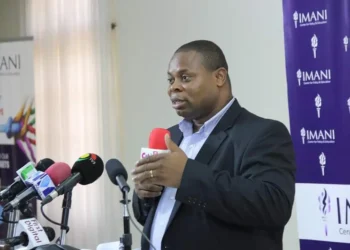
Legal practitioner Martin Kpebu has questioned whether the change at the top of the Majority side was purely administrative or reflected deeper disagreements within the governing party over strategy, policy direction and the way Parliament should handle the bill.
The leadership change comes at a time when Parliament faces pressure to resolve several outstanding legislative matters, with the LGBTQ Bill remaining among the most politically sensitive.
The development has also coincided with President John Dramani Mahama’s latest ministerial changes, under which Mahama Ayariga, the Majority Leader, has been reassigned to the Ministry of Local Government, Chieftaincy and Religious Affairs.
According to Mr. Kpebu, the combination of the parliamentary leadership change and Mr Ayariga’s reassignment has raised questions about the NDC’s strategy for managing contentious legislative issues and maintaining cohesion within both the party and government.
LGBTQ Bill Remains Legislative Flashpoint
Mr. Kpebu said the LGBTQ Bill continues to attract significant domestic and international attention, making its handling an important test for the NDC government and its parliamentary leadership.

He noted that the Speaker of Parliament has publicly maintained that the bill was not properly passed and that additional legislative steps are required before the process can be considered complete.
This position contrasts with the earlier stance of Mahama Ayariga, who, while serving as Majority Leader, maintained that Parliament had completed the legislative process and that the remaining step was presidential assent.
The differing interpretations have created uncertainty over the bill’s current status and raised questions about how the new Majority leadership intends to proceed.
Mr. Kpebu argued that the disagreement could have contributed to the recent leadership change, particularly given the sensitivity of the legislation and the attention Ghana’s position has received from international partners.
He suggested that maintaining the previous leadership structure could have complicated the government’s efforts to manage diplomatic engagements and legislative discussions surrounding the bill.
Leadership Change Could Open New Legislative Path
Mr. Kpebu further suggested that the reshuffle could create an opportunity for Parliament to reconsider the bill and establish a clearer legislative path. He pointed to indications from the Speaker that the matter could return to Parliament for further consideration, arguing that the new Majority leadership could be better positioned to manage the process.
However, he cautioned the NDC against allowing the issue to remain unresolved indefinitely, warning that the political consequences could become more significant as the 2028 general election approaches.
According to him, the opposition is likely to return the issue to the centre of public debate, potentially forcing the NDC to defend its position without having achieved sufficient internal consensus. “If that happens, the party could be forced to defend a position without having first built internal consensus, which could weaken its campaign message,” he said.
Mr. Kpebu therefore urged Parliament to deal with the bill decisively and transparently, arguing that resolving the matter would prevent it from becoming a recurring political distraction.
“The longer the bill remains in limbo, the greater the chance that it will be used to create divisions both within the party and in the broader electorate,” he said.
LGBTQ Bill Carries International Implications
Beyond domestic politics, Mr. Kpebu said the handling of the LGBTQ Bill could have implications for Ghana’s international relations. He noted that civil society organisations, foreign governments and international human rights groups continue to monitor the country’s approach to the legislation.
The manner in which Parliament ultimately handles the bill, he argued, could therefore be interpreted as an indication of Ghana’s broader direction on human rights, democratic governance and legislative accountability.
Mr. Kpebu said the new Majority leadership would have to balance domestic political expectations with Ghana’s international obligations and diplomatic interests.
That balance could become particularly important if Parliament reopens consideration of the bill, given the competing positions among political actors, civil society groups and other stakeholders.
Mahama Ayariga Moves to Local Government Ministry
The parliamentary leadership changes have also brought renewed attention to Mahama Ayariga’s political trajectory following his reassignment from Parliament to the executive. President John Dramani Mahama has reassigned Ayariga to the Ministry of Local Government, Chieftaincy and Religious Affairs as part of the latest changes to his government.
The reassignment follows Mr Ayariga’s tenure as Majority Leader and places him in an executive role responsible for areas including local governance, decentralisation, chieftaincy and relations with religious and traditional institutions.

Mr. Kpebu described Ayariga as a young, energetic, and influential politician with the potential to assume greater responsibilities in the future, adding that his reassignment should be viewed within the broader context of political progression, noting that changes in political responsibility do not necessarily diminish an individual’s influence within a governing party.
Mr. Kpebu argued that the Bawku Central MP’s experience as a parliamentarian and Majority Leader could remain valuable to the government in his new ministerial portfolio, particularly in matters requiring coordination between central government, local authorities and other stakeholders.
He also urged Ayariga to support the new parliamentary leadership and contribute to maintaining unity within the NDC, particularly as the party navigates contentious legislative and political issues.
The reassignment means Ayariga’s political influence will now extend beyond the parliamentary leadership structure, placing him in an executive role while the new Majority leadership takes responsibility for the NDC’s business in Parliament.
NDC Faces Test of Parliamentary Unity
Mr. Kpebu also drew attention to the need for cohesion between outgoing and incoming members of the parliamentary leadership. He said leadership changes often generate questions about possible tensions among officials, but stressed that the priority should be maintaining discipline within the Majority Caucus and ensuring unity on key legislative decisions.
The new leadership, he said, must coordinate effectively, align members ahead of important votes and present a united position to the public. Rather than revisiting personal disagreements or past leadership contests, he urged the caucus to focus on consolidation and the broader objectives of the government.
The challenge, therefore, extends beyond the LGBTQ Bill. The NDC must also manage expectations surrounding political appointments, promotions and leadership opportunities without creating resentment among party members.
Mr. Kpebu warned that decisions taken by the NDC in the coming months could have consequences for the party’s prospects in the 2028 elections. He said resolving contentious issues early, communicating clearly and maintaining parliamentary unity would strengthen the party’s ability to campaign on its record and policy agenda.
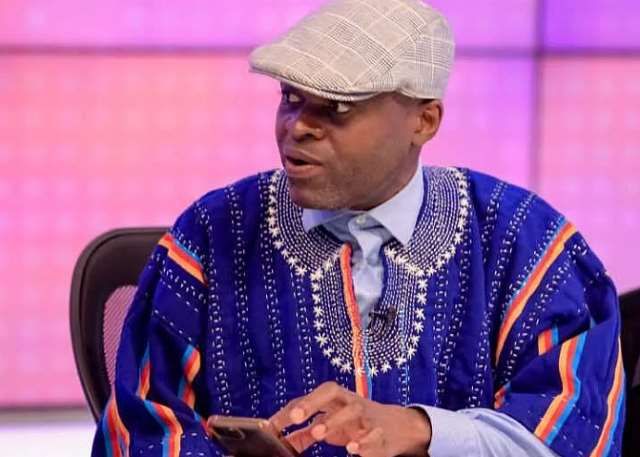
Conversely, unresolved disputes could provide the opposition with opportunities to portray the government as divided or indecisive. The LGBTQ Bill could consequently become more than a legislative issue if the NDC fails to establish a coherent position and communication strategy around it.
For now, the leadership change has opened several conversations within the party and Parliament. It has placed renewed attention on the future of the LGBTQ Bill, raised questions about Ayariga’s transition from parliamentary leadership to the executive and tested the ability of the NDC’s new parliamentary leadership to maintain cohesion.
How the new leadership manages these issues will determine whether the changes strengthen the Majority Caucus or create further political uncertainty as the government moves towards the 2028 elections.
READ ALSO: Asante Gold Projects Up to 300,000 ounces Production in 2026