The Ghana Gold Board (GoldBod) has extended its localized social impact operations beyond its core mineral corridors into the Volta Region, driving a new wave of community-focused corporate responsibility under its specialized development wing.
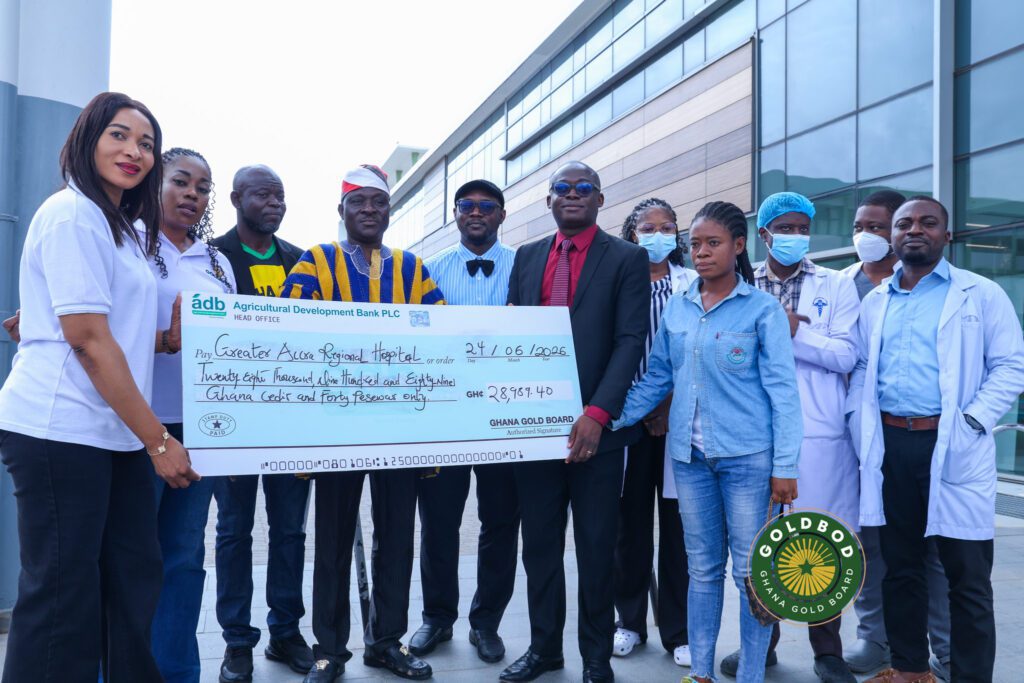
Through its Special Intervention Programmes (SIP) Unit, the state-backed precious minerals authority has donated GH¢50,000 to Operation Smile Ghana to support free corrective cleft surgeries for patients at the Ho Teaching Hospital.
The financial partnership highlights GoldBod’s deliberate shift toward improving national health equity by directly funding high-impact medical interventions for vulnerable populations who have historically lacked access to specialized clinical treatments.
“GoldBod’s contribution helped facilitate the life-changing surgeries, offering renewed hope to children and adults affected by cleft lip and cleft palate while easing the financial burden on their families. The partnership with Operation Smile Ghana underscores GoldBod’s commitment to supporting healthcare initiatives that deliver lasting social impact, particularly for vulnerable individuals requiring specialised medical care. This support reflects the institution’s broader commitment to improving the wellbeing of vulnerable Ghanaians through targeted interventions under its Special Intervention Programmes.”
Ghana Gold Board (GoldBod)
Expanding on this inaugural healthcare outreach, the capital injection from the state entity served as a foundational driver for a comprehensive ten-day medical mission conducted at the Ho Teaching Hospital from June 4 to June 13, 2026.
The strategic funding directly facilitated the deployment of highly skilled teams of specialist surgeons who successfully completed complex corrective procedures on 51 infants and adults suffering from cleft lips and cleft palates.
By absorbing the significant operational and surgical expenses of the clinical mission, the intervention fundamentally erased the severe financial barriers that often prevent lower-income families in rural enclaves from seeking essential reconstructive surgical care.
Beyond providing immediate operating room interventions, the collaborative framework focused on embedding long-term institutional resilience within the local healthcare delivery architecture by training indigenous medical personnel.
Operation Smile Ghana’s clinical educators implemented structured capacity-building workshops for local doctors, nurses, and clinical staff at the Ho Teaching Hospital, upgrading their functional skills in the sophisticated diagnosis, treatment, and long-term therapeutic management of cleft abnormalities.
This educational transfer ensures that the primary referral facility in the Volta Region can independently sustain high-quality, comprehensive cleft care long after the temporary surgical mission concludes.
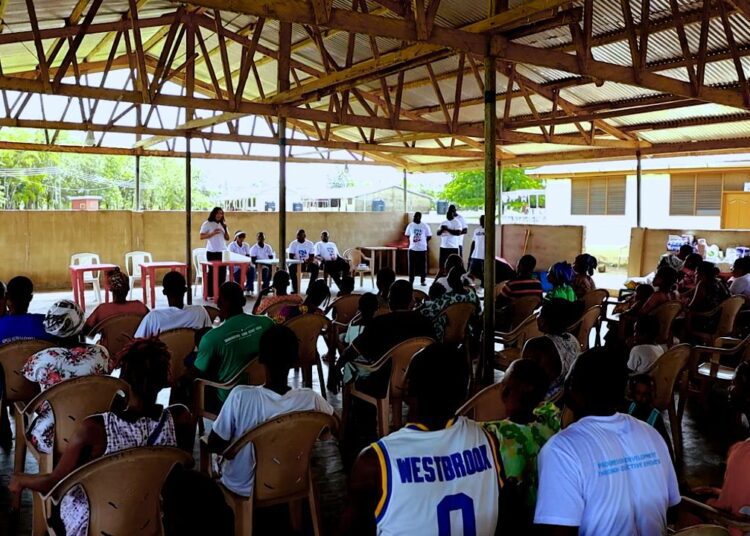
To guarantee a reliable continuity of clinical care across the region, the outreach team carried out expansive medical screenings alongside the active surgical caseload.

A total of 93 prospective patients underwent exhaustive diagnostic evaluations to map their physiological conditions, establishing a clear pipeline for eligibility in forthcoming surgical campaigns and immediate therapeutic support.
According to local organizers, the thorough screening protocols serve as the baseline for a multi-year strategy designed to proactively identify remote patients and track their recovery milestones through subsequent medical missions.
Evaluating the Regional Need for Cleft Care
The stark reality confronting hundreds of families in the Volta Region and surrounding rural areas is that specialized pediatric and reconstructive surgical care remains concentrated almost exclusively in a few tertiary centers in southern Ghana.
For an average family in rural districts, the logistics of transport, accommodation, and the raw cost of theater fees for a cleft repair make the condition effectively untreatable, leaving affected individuals to suffer from severe nutritional deficiencies and compounding psychological isolation.

Compounding the problem is a persistent shortage of localized clinical experts capable of managing these distinct congenital conditions outside the major metropolitan zones.
By funding both direct patient surgeries and intensive staff training at the Ho Teaching Hospital, GoldBod is breaking a vicious cycle of urban-dependent healthcare seeking, empowering local professionals to serve as the region’s first line of specialized defense.
GoldBod’s Dual Mandate: Economic Wealth and Social Capital
Established by Act 1140 of Parliament in early 2025 as the country’s central statutory authority for gold trading, aggregation, and export, GoldBod has rapidly consolidated its position as a primary driver of national foreign exchange earnings.
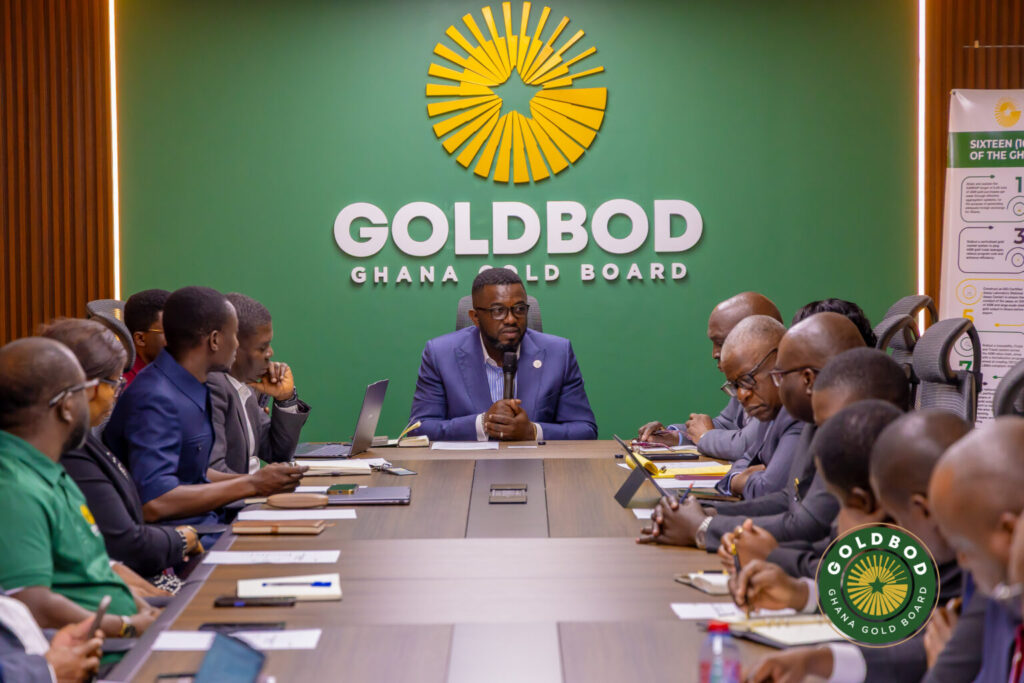
Generating nearly $11 billion in forex inflows during its first year of operation under the leadership of CEO Sammy Gyamfi, the institution’s fiscal success has provided the necessary liquidity to fund expansive domestic social investments.
The activation of the SIP Unit indicates that the state monopoly is actively leveraging its immense commercial leverage to build tangible social capital across the country.
By diverting portions of its organizational revenue into target medical campaigns, the board is successfully proving that the profits derived from Ghana’s natural resource extraction can be seamlessly transformed into accessible healthcare, ultimately protecting and uplifting the nation’s human capital.
READ ALSO: NHIS Covers 66 Percent Yet Millions Remain Unreached — Health Minister