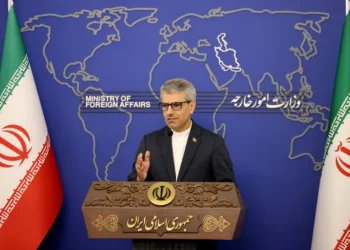
Iran’s Health Ministry has disclosed that US attacks on the country since July 6 have killed at least 50 people and wounded more than 500.
Valiollah Hayati, the Deputy Governor of Khuzestan for security affairs, said that the US has attacked at least 95 locations in the province in southwestern Iran in the last 10 days. The US hit 12 counties of Khuzestan province “which demonstrates the boundless criminality of the enemy.” At least eight civilians were reported to be killed.
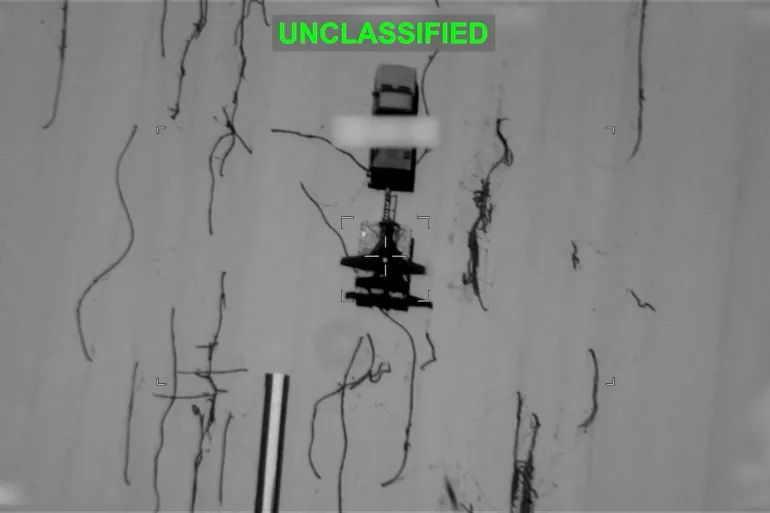
Hormozgan’s Chief of communications and information technology also stated that the US’s overnight attacks disrupted telecommunications in Bandar Abbas and Hajiabad, in the northern part of the province. After the US attacks, 116 telecommunication towers were taken out of service, and fixed-line, mobile, and internet services are currently experiencing disruptions in some areas of the northern province.
According to Iranian Media, U.S. airstrikes hit an electricity and desalination plant in Iran’s southern Hormozgan province. The attacks hit Bonji, a village on Iran’s coast on the Strait of Hormuz.
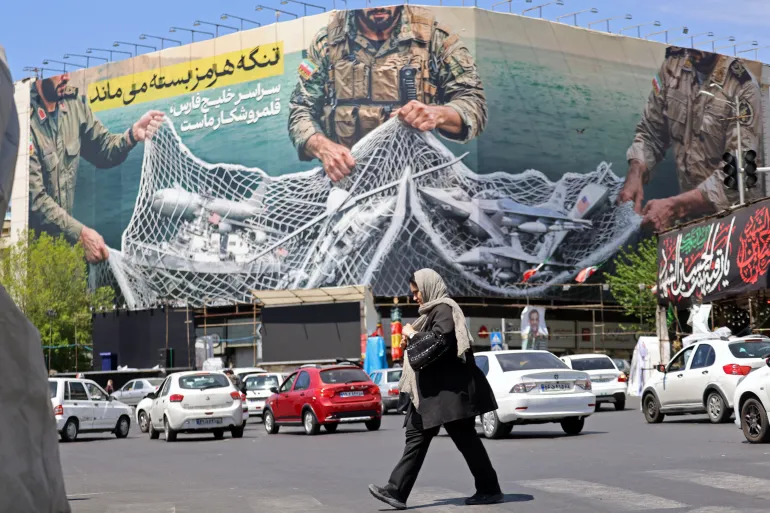
Additionally, Iran’s national water company said that about 10,000 people across 20 villages are without water after overnight US attacks.
Warning of the consequences of the attacks, Hamid Reza Moghaddamfar, a Spokesperson for the IRGC Chief Commander, said that the consequences of the US military pressuring Tehran by maritime and economic means would spill over into the energy and economy sectors – not just in the US but in European countries as well.
Moghaddamfar labeled the Strait of Hormuz and Bab al-Mandeb as “two important and strategic passages in regional and global equations” where they can influence global energy, trade, and security balances.
Thus comes as United States and Iran exchanged strikes aimed at infrastructure and military targets today as their battle over the Strait of Hormuz intensified.The region has endured days of back-and-forth attacks in a conflict increasingly focused on control of the strait, an essential waterway that used to carry a fifth of the world’s crude oil.
The collapse of an interim ceasefire leaves no clear end in sight for the war that the U.S. and Israel began more than four months ago.The U.S. Central Command said early today that its seventh straight night of strikes had hit “surveillance sites, military logistics infrastructure, underground weapons storage, and maritime capabilities.”
Kuwait Endures Significant Damage Amid Iran’s Strikes
Iran has been retaliating to the strikes by targeting what it says are US-linked assets in the region.
The most significant damage today occurred in Kuwait after Iran struck a water desalination plant and an oil facility, according to the Kuwait authorities and the Kuwait Petroleum Corporation.
Kuwait Petroleum Corporation announced that one of its vital oil facilities was hit by “repeated brutal Iranian attacks, resulting in a number of injuries and significant material losses.” Several Kuwaiti firefighters were injured responding to fire incidents after Iranian attacks.
The strikes injured several people at the oil facility and caused a fire at the desalination plant, forcing several power generation units offline. It was the second attack against a desalination plant in two days in the tiny desert nation, which depends on desalination for 90 percent of its drinking water.
Kuwait condemned and denounced in the “strongest terms the heinous Iranian aggression” against the country this morning. “The repeated targeting of vital facilities reveals a systematic, aggressive approach that targets civilian structures and essential infrastructure, endangering the lives and safety of civilians,” its foreign ministry stated.
It added that the State of Kuwait reserves its full right to take all necessary measures to preserve its security and defend its territories and vital facilities, based on its inherent right to self-defence.
Kuwait briefly closed its airspace in the morning due to missile threats, and Kuwait Airways said it was rescheduling most flights to and from the capital.
Jordan also said that it intercepted and shot down four drones in its airspace over the past 24 hours. Iran’s IRGC launched missile and drone attacks “on fighter jet shelters and a large aircraft parking ramp at a US base in Al-Azraq, Jordan.”
In Bahrain, air raid warning sirens sounded for the fifth time after incoming Iranian attacks.
US President Donald Trump now faces political pressure to bring the war to a close and avoid the kind of prolonged Middle East conflict he had campaigned against.
READ ALSO: Ho Airport Set For Revival With New Development Plans, Transport Minister Reveals