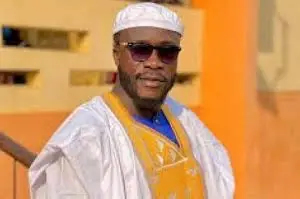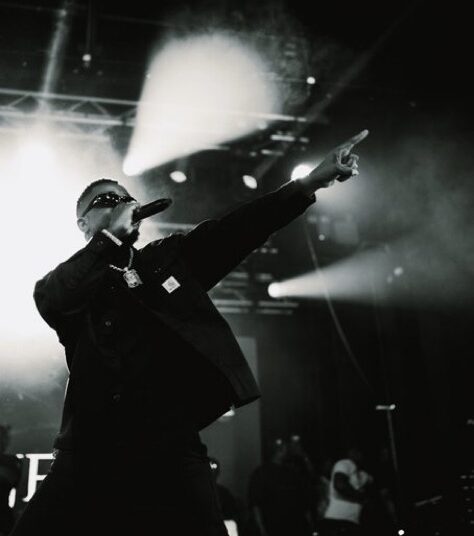
Ghanaian rap superstar Sarkodie has once again ignited conversations across Africa with the announcement of his latest single, a collaboration featuring Worlasi titled “Ibrahim Traoré.”
The track, set to drop at midnight on Friday, July 18, 2026, is already generating buzz among fans and political observers for its apparent tribute to the Burkinabè military leader who has become a symbol of pan-African resistance.
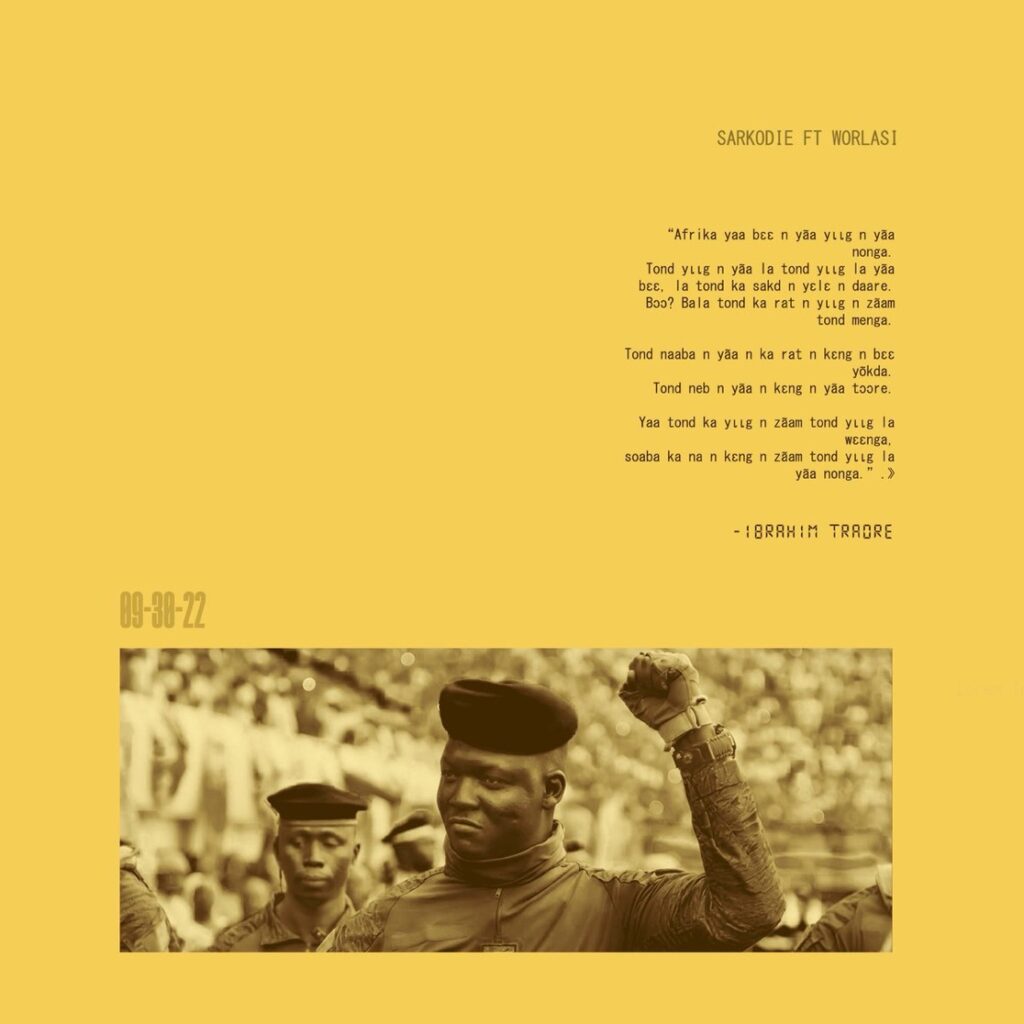
In a post on X (formerly Twitter), Sarkodie shared the news alongside striking cover art depicting Captain Ibrahim Traoré in a powerful pose, fist raised, dressed in military attire against a backdrop of supporters.
The artwork, bathed in a bold yellow hue symbolizing Burkina Faso’s flag, features lyrics in a local language attributed directly to Traoré, emphasizing themes of African unity, strength, and liberation. “Afrika yaa bɛɛ n yãa yʋʋg n yãa nonga…” the excerpt begins, translating roughly to calls for collective action and resilience against external forces.
This release comes as part of Sarkodie’s “#EmptyTheVault” campaign, where the award-winning artist has committed to dropping new music frequently, delighting his loyal “SarkNation” fanbase.
Fans quickly flooded the comments with excitement, with one noting, “My goat is over feeding me this year,” while others recalled Sarkodie’s previous expressions of support for Traoré.
Sarkodie first drew widespread attention to the Burkinabè leader in April 2025 when he tweeted “God protect Ibrahim Traoré,” a message that went viral and was even amplified by international artists and fans.
At the time, deepfake videos and tribute tracks flooded social media, portraying Traoré as a modern-day pan-African icon fighting for sovereignty amid security challenges and alleged Western interference in the Sahel region.
Captain Ibrahim Traoré seized power in Burkina Faso through a coup in September 2022, promising to combat jihadist insurgencies that had plagued the country and to prioritize national self-determination. His government has since pivoted away from traditional Western alliances, strengthening ties with Russia and other partners while advocating for greater African unity and resource control.
Supporters view him as a bold reformer willing to challenge neo-colonial influences, while critics raise concerns about democratic backsliding, human rights, and the ongoing violence in the region.
The timing of Sarkodie’s new track is notable. It arrives amid broader discussions on African leadership, sovereignty, and youth disillusionment with post-independence governance models. Sarkodie, known for his conscious lyrics and business acumen, has built a career that blends high-energy rap with social commentary.
Tracks like those addressing Ghanaian politics, personal success, and continental issues have cemented his status as one of Africa’s most influential voices. Collaborating with Worlasi, a respected Ghanaian artist known for introspective and culturally rooted work, suggests “Ibrahim Traoré” will blend hard-hitting beats with meaningful verses.
Pre-save links for the song on Ditto Music indicate a strategic rollout aimed at maximizing streaming numbers across platforms. Sarkodie’s consistent output this year reflects his evolution from battle rapper to cultural statesman.
Public Reaction
Industry insiders note that his Sarkcess label continues to thrive, with strategic releases keeping him relevant in a competitive Afrobeats and hip-hop landscape dominated by younger acts.
Reactions from fans and commentators highlight the song’s potential impact. Many see it as solidarity with Traoré’s vision of a stronger, more independent Africa. “Let’s gooooooooooo #EmptyTheVault,” one supporter posted, capturing the enthusiasm.
Others draw parallels to historical tributes in African music, where artists have used their platforms to amplify political narratives, from Fela Kuti’s activism to modern-day calls for unity.
However, not all responses are purely celebratory. Some observers caution against celebrity endorsements of military leaders, urging focus on verifiable governance outcomes rather than charismatic imagery.
Burkina Faso continues to face complex challenges, including displacement due to conflict and economic pressures, even as Traoré’s administration reports progress in certain security metrics.
Sarkodie’s move fits into a pattern of Ghanaian artists engaging with regional politics. Ghana and Burkina Faso share deep cultural and historical ties, with cross-border trade and migration playing significant roles in both economies.
Music has long served as a bridge, with hits crossing linguistic barriers and fostering shared identity.
As the clock ticks toward midnight, anticipation builds. Given Sarkodie’s track record of thoughtful lyricism, expectations are high for substance alongside the hype.
This release underscores the power of popular culture in shaping political discourse in Africa. In an era of social media virality and youth-driven movements, artists like Sarkodie wield influence that rivals traditional politicians.
By spotlighting figures like Traoré, they contribute to narratives of African agency that resonate deeply with millions facing economic hardship and questioning global power structures.
Sarkodie has not yet released full lyrics or a statement beyond the announcement, but the cover art’s inclusion of Traoré-attributed text suggests the song will center empowerment and continental pride. Fans are already speculating about potential visuals, possibly featuring archival footage or symbolic imagery from Burkina Faso.

In the broader context of Sarkodie’s career, this fits his pattern of bold statements. Whether addressing personal wealth, industry beefs, or geopolitical issues, he rarely shies away from controversy.
His ability to maintain commercial success while courting substantive topics sets him apart.
As “Ibrahim Traoré” prepares to hit airwaves and playlists, it promises to spark debates not just about one leader, but about the future of leadership across the continent.
For Sarkodie, it’s another milestone in a legendary career dedicated to using rhythm and rhyme to reflect and influence society.
READ ALSO:We Do Not Harbour Malice Against Anyone — President Mahama