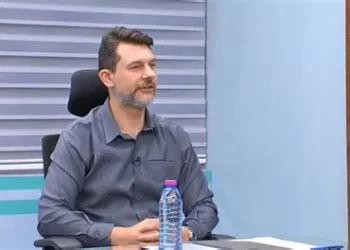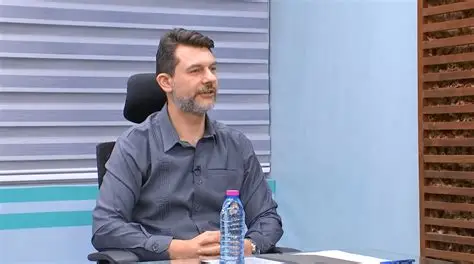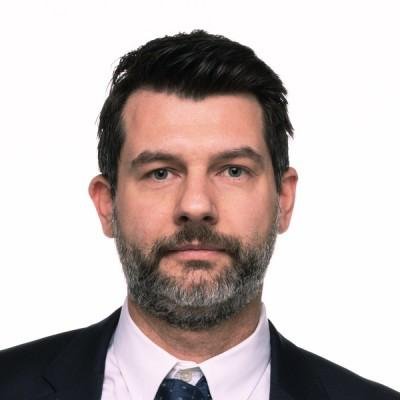
Ghana has officially welcomed a new International Monetary Fund (IMF) Resident Representative, Dr. Adrian Alter.
His arrival comes at a critical moment as Ghana navigates the complexities of its IMF-supported programme, seeks debt restructuring, and grapples with cedi depreciation pressures. Dr. Alter succeeds Dr. Leandro Medina, who ended a three-year tenure in August, leaving behind a legacy of intensive fiscal reforms and programme reviews.
The question on everyone’s mind is simple but profound: can Dr. Alter help steer Ghana toward lasting economic stability?
Who is Dr. Adrian Alter?
Dr. Alter is not a stranger to the world of complex economic management. With over a decade of experience at the IMF, he has carved a niche in areas spanning financial stability, sovereign debt, and inflation control. His work has supported not only African nations but also countries like Serbia and Tunisia, which have faced similar fiscal crises.
Before joining the IMF, Dr. Alter sharpened his expertise at top global institutions, including the European Central Bank, Deutsche Bundesbank, and UBS Investment Bank. He also holds a PhD in Quantitative Economics and Finance from the University of Konstanz, Germany, and has undertaken advanced training in financial stability at Yale School of Management.
This academic and professional background positions him as a technocrat with the skills and vision to guide Ghana through turbulent times.


Ghana’s Economy At Fragile Point
Ghana’s economy is at a fragile point. The government is in the middle of its IMF Extended Credit Facility (ECF) programme, which aims to restore macroeconomic stability, ensure debt sustainability, and rebuild investor confidence. The country’s fourth programme review has already highlighted the difficulty of meeting revenue targets, while the fifth review, currently underway, will determine whether Ghana continues to access critical disbursements.
The stakes could not be higher. Inflation, though declining, remains elevated, and fiscal discipline is constantly tested by competing political and social demands. Moreover, debt restructuring negotiations with external creditors are ongoing, and their successful conclusion is vital for Ghana to unlock further financial support. Against this backdrop, Dr. Alter’s role becomes central in aligning Ghana’s policies with IMF requirements while also building public trust in the Fund’s involvement.
As IMF’s man on the ground, Dr. Alter is expected to play several critical roles. First, he will coordinate programme activities, ensuring that the government stays on track with reforms, particularly in tax administration and expenditure management. Second, he will serve as the IMF’s local spokesperson, explaining the rationale behind policy measures often perceived as harsh by the public. Third, he will strengthen collaboration with the Ministry of Finance, the Bank of Ghana, and civil society organizations to ensure that reforms are inclusive and sustainable.
One of his most immediate tasks will be guiding Ghana through its fifth programme review. Success here will not only unlock funds but also signal to investors and creditors that the country is serious about reform.
While IMF programmes are typically designed to restore fiscal balance, critics often argue that they come at the expense of growth and social welfare. Ghanaians are already feeling the weight of higher taxes, subsidy removals, and spending cuts. Dr. Alter’s challenge will be to help design a pathway that balances stabilization with inclusive development. His experience in financial stability and sovereign debt management will be crucial in finding that balance.
Observers believe that his background in both advanced European economies and emerging markets gives him the perspective to appreciate Ghana’s unique struggles. By bridging IMF expectations with local realities, Dr. Alter could make the Fund’s interventions more palatable to ordinary Ghanaians.
Will He Succeed?
Whether Dr. Alter succeeds in his mission will depend on more than just his expertise. It will hinge on Ghana’s political will to implement reforms consistently, the cooperation of international creditors, and the resilience of its citizens. His appointment, however, represents an opportunity for Ghana to reset its relationship with the IMF and to leverage the institution’s support in ways that drive long-term stability.
For now, all eyes remain on the IMF’s new envoy in Accra. Dr. Alter’s ability to balance technical expertise with diplomatic tact will be tested as Ghana continues its long road to economic recovery.
READ ALSO: NDC’s Reset Agenda Faces Scrutiny Amid Rising Concerns