The Reset Agenda, a key promise of the National Democratic Congress (NDC) during its campaign, is facing mounting criticism as citizens and political commentators question whether the government is truly committed to reform.
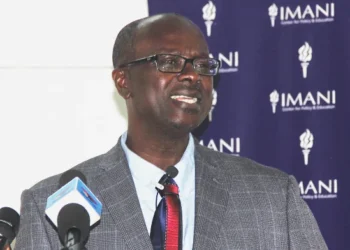
Sulemana Braimah, Executive Director of the Media Foundation for West Africa (MFWA), has raised concerns over what he sees as a troubling trend of continuity rather than change.
According to Braimah, the Reset Agenda was not meant to be about the NDC merely replacing the New Patriotic Party (NPP) while maintaining the same questionable practices and corrupt deals that characterized the previous administration.
Braimah emphasized that the very essence of the Reset Agenda was for the NDC to take power and “reverse all the wrongs under the previous regime (and there were so many) and hold all those who committed any wrongs accountable.”
However, he lamented that there appears to be a lack of follow-through on this promise. He cited high-profile cases that once generated public outcry but have since gone silent.
“At the beginning of this government, we heard a loud noise about ECG Containers. The loud noise suddenly went silent as if nothing had happened.
“What happened? Who did anything wrong in the past regime, and who is being held accountable? What happened with the ECG Containers?”
Sulemana Braimah

Similarly, he recalled that there was significant public debate regarding the issue of cocoa jute sacks, but just like the ECG matter, it has faded from the headlines without resolution.
“What has happened, and who is being held accountable?” he questioned, expressing frustration at what he perceives as a lack of accountability.
Call for Accountability Amid ‘Failing’ Reset Agenda
Sulemana Braimah further cautioned that any minister or CEO who chooses to maintain corrupt practices or uphold questionable contracts from the previous administration undermines not only the goals of the Reset Agenda but also the broader interests of the nation.
He stressed that leaders who persist in such actions position themselves as opponents of both reform and national progress.
He further warned such individuals that, while they may think they can operate with impunity, “you will be exposed soon.”
While Braimah’s concerns focused on the government’s lack of accountability and commitment to reform, the opposition New Patriotic Party (NPP) has seized the opportunity to highlight what it describes as the administration’s failures.
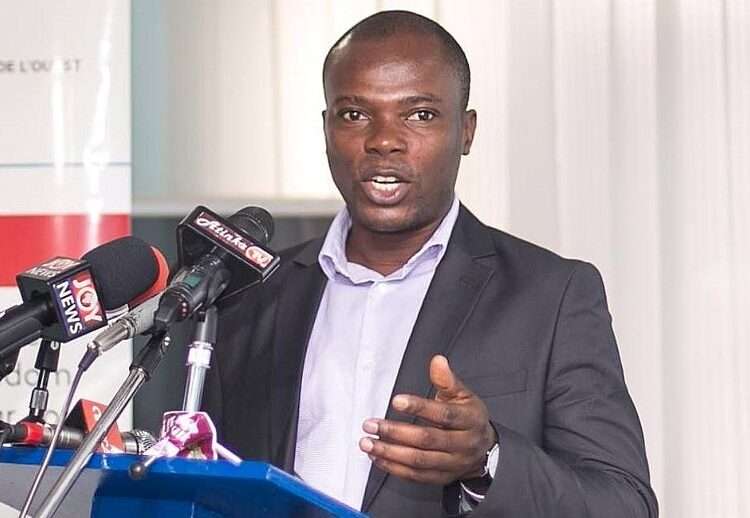
Dennis Miracles Aboagye, a leading NPP communicator, accused the NDC government of neglecting its core responsibilities while engaging in actions that have worsened the plight of ordinary citizens.
He pointed to the growing menace of illegal mining, popularly known as galamsey, which he claimed is now being spearheaded by NDC officials.
According to him, this has resulted in widespread environmental destruction, including the pollution of water bodies and the destruction of forest reserves.

“48,000 Ghanaians were displaced in the President’s region [the Savannah Region]. 13,000 Ghanaian refugees are now in the Ivory Coast. Broad daylight shootings and killings are happening within the center of the city.”
Dennis Miracles Aboagye
Aboagye also condemned the government’s management of the economy, highlighting the unstable exchange rate, soaring prices of goods, and escalating fuel costs.
He emphasized that business owners are struggling to access foreign currency for their operations, while fuel prices continue to surge at an alarming pace.
He also highlighted growing unemployment, revealing that “35,000 Ghanaians have been dismissed from employment since January 7th.”
He argued that even flagship policies like the much-touted 24-Hour Economy initiative have stalled, with “1-3-3 shift jobs on ice” and no clear blueprint or strategy to address the country’s economic woes.
Opposition Accuses Government of Suppression
Rather than addressing the country’s pressing issues, Dennis Aboagye claimed that the government has been preoccupied with harassing opposition members through aggressive raids and intimidation efforts.
He likened these actions to the behavior of armed robbers, aimed at silencing dissenting voices.
However, he cautioned that in today’s political climate, especially in 2025, attempts to suppress free expression are bound to fail.
“We plead with this government to focus on the core job. Pick their manifesto and simply implement the promises therein. Time no dey like that!”
Dennis Miracles Aboagye
As public dissatisfaction grows, the Reset Agenda’s credibility continues to be tested.
With rising concerns about corruption, governance failures, and economic hardship, both citizens and opposition figures are watching closely to see whether the government will make good on its pledge to reset the nation—or risk losing the public’s trust entirely.
READ ALSO: Engineers & Planners Acquires Black Volta and Sankofa Gold Concessions