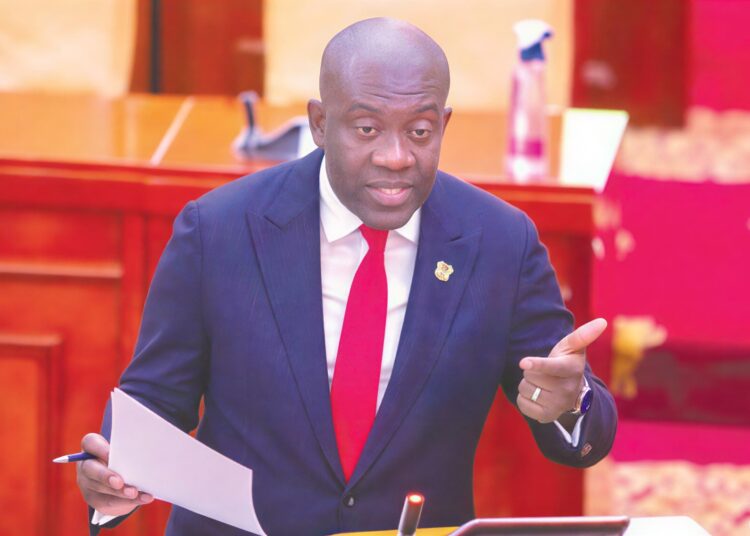
Chairman of the newly constituted Policy Coordinating Committee for the New Patriotic Party, Honourable Kojo Oppong Nkrumah, has disclosed that the party has intensified consultations as part of efforts to strengthen its internal structures ahead of the 2028 general elections.
In this regard, he explained that the exercise forms part of a rebuilding agenda aimed at bringing together individuals with diverse competencies across the party’s political tradition.
In clarifying the organisational framework, Honourable Nkrumah noted that the party’s standing committees remain distinct from the newly introduced policy sector committees. He further indicated that while the National Council has already established constitutionally mandated standing committees.
Moreover, the Chairman emphasised that the initiative seeks to broaden participation in policy development across the country. Professionals, technical experts and grassroots members, he added, are expected to contribute ideas that will shape the party’s future direction.
Explaining the legal foundation of the reforms, he noted that the policy sector committees were created following constitutional amendments adopted at the party’s national delegates conference at Legon. He added that these amendments established a structured framework for coordinating policy proposals across multiple sectors.
Furthermore, he stressed that inclusive participation remains central to building credible policy alternatives capable of addressing national challenges. The party, he said, is therefore committed to ensuring that policy development reflects a wide range of professional and social perspectives.
On policy direction, Honourable Nkrumah stated that the committees are expected to examine existing programmes while developing new proposals to strengthen the party’s future outlook.
“There were things that the NPP did in government that worked very well. We want the opportunity to examine them and even build upon them. There were also things that we did in our last term that did not work so well as a party, and we should have the opportunity to examine them and consider new propositions. There are also new developments in the landscape, and we need the opportunity to have teams that are well skilled, drawn from our brightest and best, both locally and internationally, to think through these issues and formulate party positions.”
Honourable Kojo Oppong Nkrumah
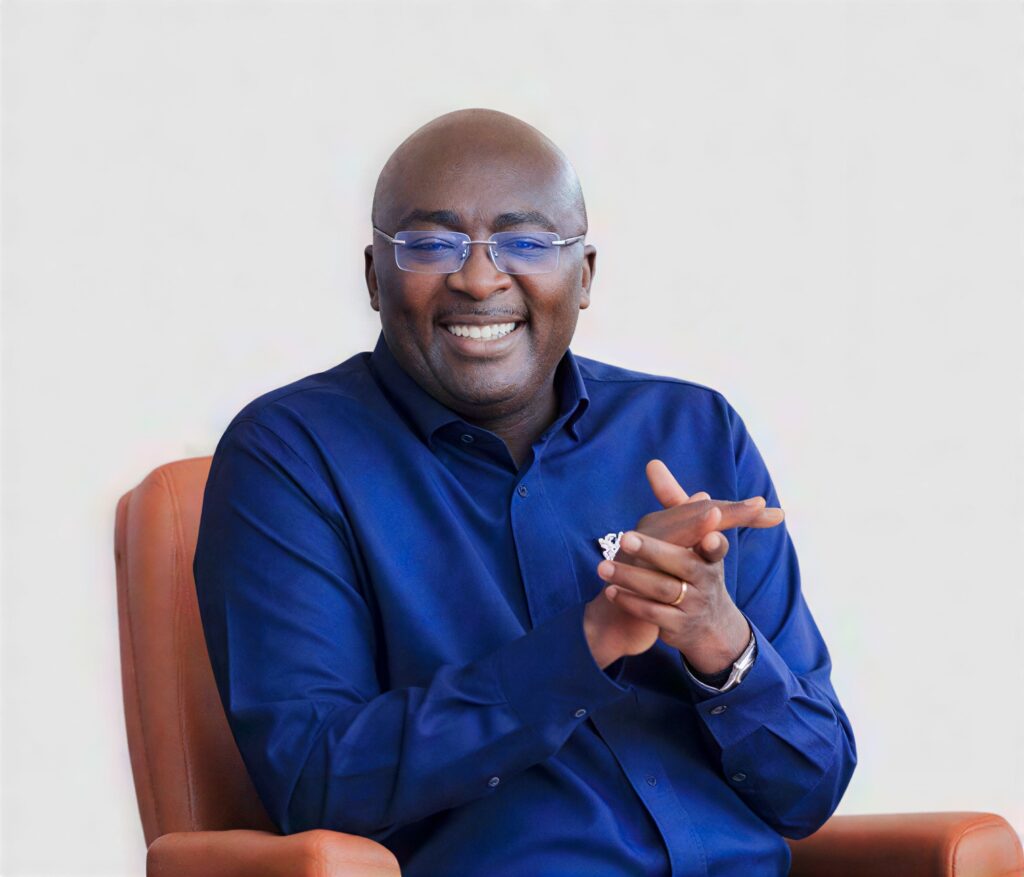
In that regard, Kojo Oppong Nkrumah indicated that the party’s flagbearer, Dr. Bawumia, is focused on ensuring that discussions ahead of 2028 centre on credible policy proposals for Ghanaians. He observed that while some past policies have delivered positive outcomes and require reinforcement, others need adjustments to improve implementation.
In addition, he announced that specialists from both local and international backgrounds will support the process through research and consultations. Their contributions, he said, are expected to enhance the development of practical proposals for governance and economic growth.
Meanwhile, Honourable Nkrumah added that the committees will work closely with parliamentary ranking members who oversee related policy areas. This collaboration, he explained, is intended to align parliamentary work with the party’s long-term policy objectives.
He further stated that co-chairs have been assigned substantive responsibilities to guide technical deliberations and refine proposals before submission to the National Council and party leadership.
Importantly, he emphasised that extensive stakeholder engagement will be conducted across all sectors to identify pressing community challenges and propose solutions consistent with the party’s ideological orientation.
Party Leadership Defends Inclusive Stakeholder Engagement Process
Responding to concerns over the composition of the newly announced committees, Honourable Nkrumah rejected suggestions that the structures are skewed in favour of individuals aligned with a particular faction within the party.
Furthermore, Honourable Nkrumah clarified that what has been released so far covers only the leadership of the sector policy committees, with the exception of the Constitutional and Legal Committee. He emphasised that the full membership lists of these committees have not yet been published, making it premature to conclude who has or has not been included.
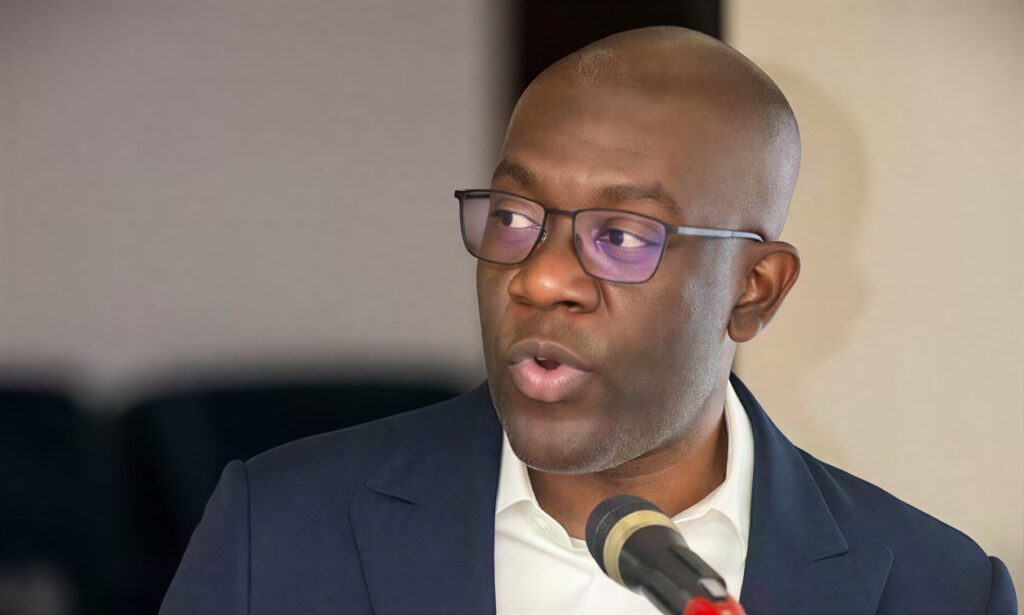
Explaining further, he noted that any suggestion of imbalance at this stage is unfounded, since ordinary members are still being compiled and consulted. He indicated that recommendations have been drawn from various campaign groups, with consideration given to expertise from different areas, and these individuals are being integrated into the committees accordingly.
He also stressed that there is a clear distinction between the party’s standing committees and the newly established sector policy committees, with the latter still undergoing a structured onboarding process. According to him, it is therefore inaccurate to claim knowledge of the final composition, including assertions about representation from specific camps.
Additionally, he explained that the process is deliberately inclusive and encouraged party members and professionals to actively participate in the consultation process. He expressed optimism that the initiative will strengthen internal cohesion and improve policy communication ahead of the 2028 elections.
READ ALSO: Bawumia Names All Four Rivals to Lead NPP Policy Committees