Ghana’s creative industry, music, film, fashion, visual arts, and design is rich in talent and cultural depth.
Its artists and brands have produced work that resonates locally and increasingly abroad. Yet over recent years many established investors and entrepreneurs have become cautious or withdrawn their interest.
This retreat risks turning a moment of rising global curiosity about African creativity into a missed economic opportunity.
Understanding why businessmen have lost interest, and what can be done to restore investor confidence, is essential if Ghana is to convert cultural capital into sustainable jobs, exports, and national branding.
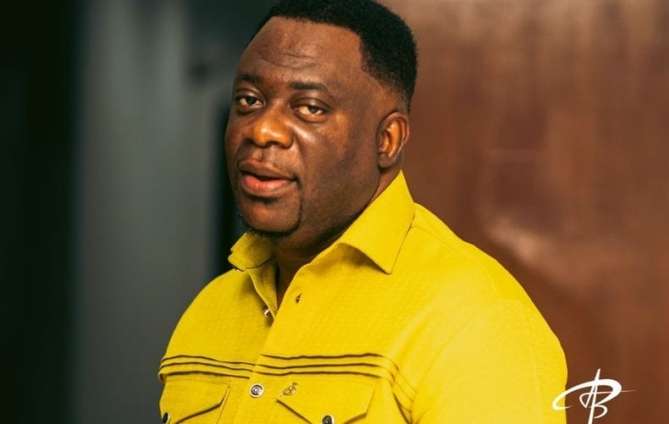
Renowned artist manager and entertainment pundit, Nana Poku Ashis, has stated that lack of business structure is driving investors away from Ghana’s creative industry, forcing artists to become dependent on government support.
Ashis shared how many businessmen have been forced to pull out of investing in artists due to no definite pathway on how to recoup their investments.
“A lot of structures are not in place. A lot of businessmen have lost interest in our space. If I’m a businessman and want to invest money into a craft and I can call ten people to give me a business plan. Eight out of ten people will not be able to tell me how I could make my money back.”
Nana Poku Ashis
According to Ashis, the existing revenue stream are insufficient.
“How are they going to make the money back? Will they depend on shows? How many shows are they going to play? Streaming is not enough, and royalties don’t work. So, if someone is investing a million dollars, how is he going to get his money back.”
Nana Poku Ashis

The entertainment pundit attributed this failure to the collapse of systems designed to protect and monetise creative work.
“A lot of investors have failed along the line, that’s why a lot of them have folded. Those structures for royalties and the systems that can curb piracy and make nightlife work. They are gone. Nobody cared about it.”
Nana Poku Ashis
He stated that this fundamental breakdown is the primary reason the industry is struggling to stand on its feet, and why creatives are often left with no choice but to depend on the government.
Creative products are especially vulnerable to unauthorized reproduction and distribution. When copyright enforcement is ineffective and piracy is widespread, revenues from music sales, films and designs are diminished, making it hard for investors to see a payoff.
Much of Ghana’s creative economy remains informal: deals are made on trust, contracts are poorly enforced, and distribution channels are fragmented. This raises transaction costs and creates uncertainty for investors looking for scale and predictable cash flows.
Traditional banks view creative ventures as risky because they often lack collateral and predictable revenue streams. Venture capital and impact investors are still nascent in this space. The result: businesspeople who understand finance cannot access financial products suited to the cyclical or project-based nature of creative work.
Consequences of Disinvestment on Ghana’s Creative Industry

The withdrawal of business capital and professional management slows growth in an industry with high youth employment potential. Cultural exports remain underdeveloped, limiting Ghana’s soft power and tourism appeal.
Creative entrepreneurs are forced into unsustainable monetization strategies or must seek opportunities abroad, contributing to talent drain. Finally, without formal investment, the sector misses out on the value-adding processes, marketing, distribution, rights management that transform cultural products into significant economic contributors.
It is important to note that interest has not vanished entirely. Global demand for African music and fashion is rising; streaming platforms, social media, and diasporic networks have created new distribution pathways; and success stories of Ghanaian creatives breaking into global markets demonstrate potential. These positive signals mean that with the right fixes, capital could return and perhaps at scale.
The withdrawal of many businessmen from Ghana’s creative industries is a rational response to structural shortcomings, not a verdict on the talent or cultural value of the work produced.
The remedy is equally rational: reduce risk, increase predictability, and improve returns through better IP protection, appropriate finance, professionalization, and smart policy.
If public and private actors act together, Ghana turns its creative sector into a robust engine for jobs, exports, and national identity and attract the capital it currently finds missing. The choice is clear: reform and invest, or watch a promising sector wither while other countries capture the gains.
READ ALSO: Cross-Border Payments in Minutes: Blockchain Touted as Africa’s Game-Changer at DASA 2025