
The legal counsel to the minority caucus in parliament and member of parliament for the Suame constituency, Hon. John Darko, has emphasized the minority’s position that the Attorney General (AG) ought not to prosecute suspects of corruption in the court of public opinion.
In a response to the Attorney General’s press briefing on October 22, 2025, particularly the aspect pertaining to the former Chief Executive Officer of the National Food and Buffer Stock Company Limited (NAFCO), Hon. John Darko stated that as a lawyer of the status of the Attorney General, he is not expected to be prosecuting suspects in the court of public opinion.
He emphasized that instead of holding press conferences to put out to the public his investigation findings against suspects, the Attorney General should rather go to court to prove the guilt of such persons.
At a press briefing on October 22, 2025, the Attorney General and Minister for Justice, Dr. Dominic Akuritinga Ayine, as part of the government’s anti-corruption initiative, outlined his investigation findings against several suspects, including Mr. Hanan Abdul Wahab, former Chief Executive Officer of the National Food and Buffer Stock Company Limited (NAFCO).
He presented his charge sheet for the suspect and stated that it would be filed in court on Friday, October 24, 2025.

However, the minority caucus in parliament are deeply alarmed by the approach of the Attorney General, which they term as prosecution in the court of public opinion.


“Our case is that this attorney general has decided that instead of prosecuting his case in court, he will only do this in the court of public opinion to create disaffection for these people who have never been proven guilty by any court of competent jurisdiction. And that is wrong. That is not what a competent Attorney General does.”
Hon. John Darko, Legal counsel to the Minority caucus in parliament and Member of Parliament for Suame
He emphasized that for the majority of Ghanaians, once the AG puts such findings out in the public, they conclude that the suspect is guilty, which constitutes a prosecution in the court of public opinion.
He emphasized that the Attorney General should not pronounce a suspect guilty to the general public when he has not proven so in a court of competent jurisdiction.
“Until you are proven guilty in a court of competent jurisdiction, nobody should see you as a guilty person. In fact, the Constitution presumes your innocence until proven guilty by the court.”
Hon. John Darko, Legal counsel to the Minority caucus in parliament and Member of Parliament for Suame
He underscored the point that the AG, as a public servant, has the responsibility to account to the public. However, he should not do so through court of public opinion prosecutions.
He argued that the AG ought to take such matters to the courts first and allow suspects to have the opportunity to defend themselves in court.
Accountability and Fairness co-existing
The legal counsel for the minority emphasized that the minority’s criticism of the Attorney General’s approach should not be misconceived as a defense for the suspects involved, noting that the minority is not in any way against accountability.
“For us in the minority, and let’s make this clear, we are not for a moment against accountability. That point must be made clear. We believe that anybody who misappropriates funds for the public should be dealt with according to the law.”
Hon. John Darko, Legal counsel to the Minority caucus in parliament and Member of Parliament for Suame
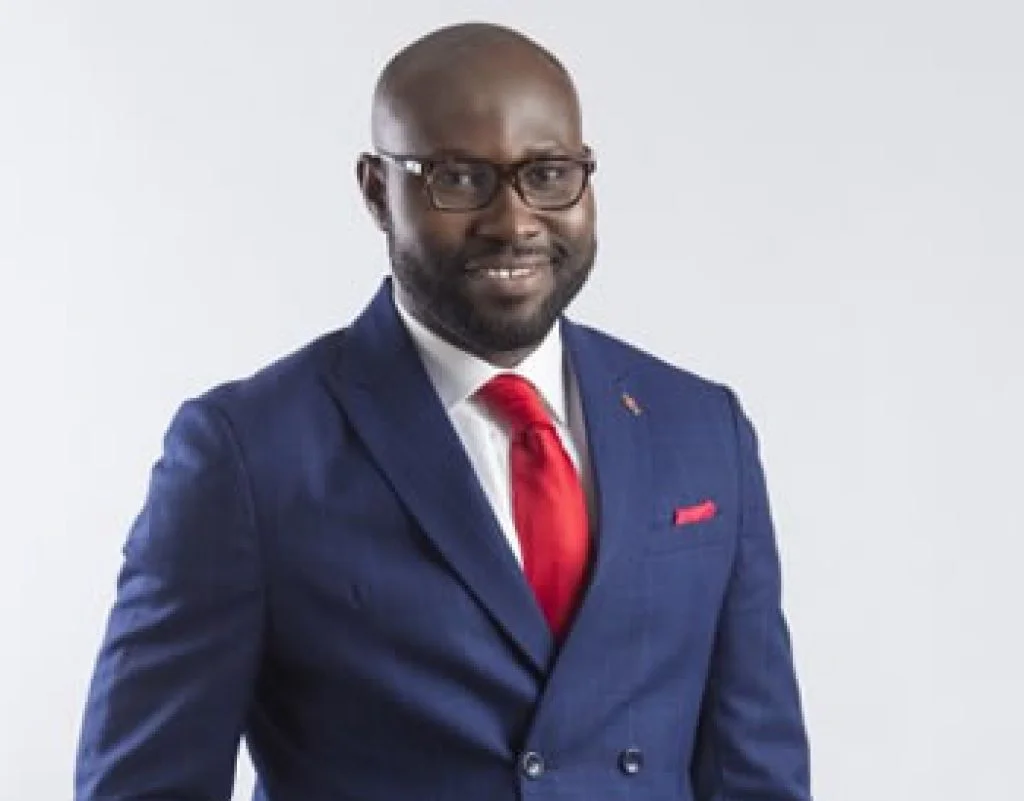
However, Hon. Darko noted that ensuring accountability does not mean one should disregard the principle of fairness. “We are not against accountability, but we believe that fairness should be a priority.”
He queried that if the AG has all the state backing and the responsibility to prove the guilt of accused persons, then why would he not do so at the court of competent jurisdiction but rather in the court of public opinion
Hon. Darko argued that the AG’s approach only creates disaffection for the accused persons, such that even if they should be able to prove their innocence at the court of competent jurisdiction, they would have already been tainted by the AG’s pronouncements.
He emphasized that as a competent Attorney General, the minority expects that if he has a case against the suspects, he should take it to the court of competent jurisdiction and prove the guilt of the said suspect. He should not be engaged in public opinion court prosecutions.
READ ALSO: Ghana Urged to Boost Petroleum Investment to Realise $16bn Market Potential