Ghana’s energy surplus, which has long been cited as a sign of progress in electricity generation, is in reality a reflection of the country’s limited industrial growth and weak economic structure, according to Dr. Nii Moi Thompson, Chairman of the National Development Planning Commission (NDPC).
Speaking on the Ghana 30 Infrastructure Plan discussions, Dr. Thompson revealed that Ghana’s electricity production exceeds industrial demand because the economy lacks the kind of large-scale manufacturing and value-adding activities that should be absorbing the excess power.
“Now, we don’t have enough industrial activity to consume the electricity that we produce.
“That’s what led to the surplus. If we were really powering the economy the way it should, it wouldn’t have been this.”
Dr. Nii Moi Thompson, Chairman of NDPC
Dr. Thompson explained that Ghana’s current energy mix is heavily dependent on hydro and thermal power sources, with solar and nuclear still lagging far behind.
“As we speak, we have a lot of hydro, and some thermal. We don’t have a lot of solar. No, we don’t have a lot of nuclear.”
Dr. Nii Moi Thompson, Chairman of NDPC
Nuclear Energy as a Strategic Necessity
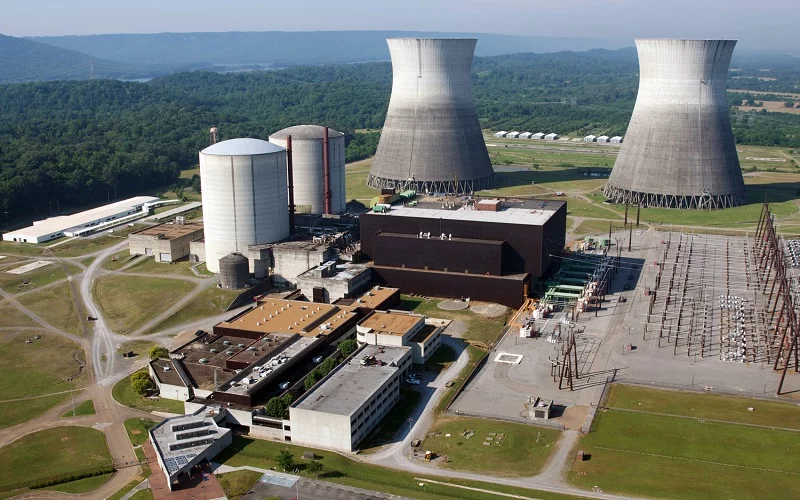
In outlining the NDPC’s long-term development vision, Dr. Thompson emphasised that nuclear energy must form an integral part of Ghana’s future power infrastructure.
He described nuclear power as the likely “base energy” that will sustain large-scale industrial activity, manufacturing, and other heavy electricity-consuming sectors envisioned under Ghana’s 30-year infrastructure strategy. “So, nuclear is very much an integral part of it,” he noted.


“Chances are, it would be the base energy where the major consumers of electricity will get the electricity from.
“Solar is picking up gradually. But again, we need the strategic framework for us to know whether we’re making progress or not.”
Dr. Nii Moi Thompson, Chairman of NDPC
He explained that without such a framework, policy decisions on energy diversification risk being fragmented, which could hinder the government’s efforts to transition toward clean, affordable, and efficient power systems.
Measuring Energy Progress Beyond Access
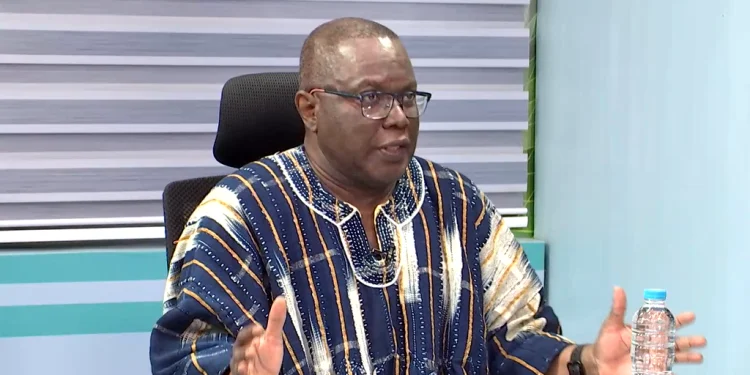
Dr. Thompson, who played a key role in crafting Ghana’s 40-Year National Development Plan, said the NDPC’s approach to measuring national progress goes beyond traditional metrics such as electricity access.
“So, for example, when it comes to electricity, what you often hear is access. Currently, we’re doing around 90% access, which is quite impressive when you compare it to, let’s say, Germany, which has 100% access.
“But then we introduced another term, electricity consumption per capita. That’s more important than access.”
Dr. Nii Moi Thompson, Chairman of NDPC
According to Dr. Thompson, while Ghana’s electricity access rate is close to Germany’s, its electricity consumption per capita is only 9% of Germany’s. “Access is simply proximity to the source. But how much are you then getting from it?” he asked.
“If you look at us in terms of access, we’re doing well.
“But when you look at electricity consumption per capita, the gap is staggering.”
Dr. Nii Moi Thompson, Chairman of NDPC
Gaps in Implementation and Missed Targets
The NDPC chairman acknowledged that despite the comprehensive framework established under the 40-year plan, Ghana has fallen short in implementing many of its targets particularly those related to energy infrastructure and industrial utilisation. “This needs to lead us,” he said, referring to the metrics for measuring progress.
“Unfortunately, because no one followed that, we did make some incremental progress, but there were major shortfalls in that particular area when it comes to meeting the targets that we set in the 40-year national development plan.”
Dr. Nii Moi Thompson, Chairman of NDPC
Dr. Thompson revealed that the NDPC plans to revise and revive the national development plan next year, with a renewed focus on ramping up industrial energy consumption and improving access to affordable, reliable power.
Dr. Thompson’s remarks come at a time when Ghana is grappling with persistent challenges in translating its power generation capacity into tangible industrial growth.
The surplus in generation capacity reflects an imbalance between energy supply and productive economic use, underscoring the need for integrated planning between the energy and industrial sectors.
The NDPC’s Ghana 30 Infrastructure Plan aims to bridge that gap by aligning energy development with national industrialisation goals, ensuring that every megawatt generated contributes directly to economic transformation.
READ ALSO: BoG’s $1.15bn FX Injection Sparks Clash with IMF and World Bank Over Cedi Stabilization