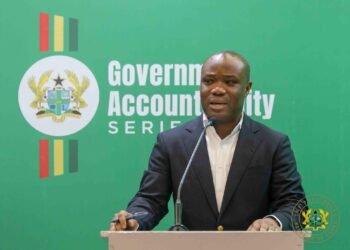
The Minister of Education, Hon. Haruna Iddrisu has directed the Ghana Tertiary Education Commission (GTEC) to immediately stop all public universities from increasing tuition fees without authorization.
The order comes amid concerns that some institutions are exploiting the government’s newly launched “No Fees Stress Policy,” which provides free tertiary education for first-year students and persons with disabilities.
Appearing before the Public Accounts Committee (PAC) of Parliament, the Minister said his attention had been drawn to reports that some universities were taking advantage of the policy to impose new charges. He described the move as unacceptable and directed GTEC to issue a circular to all public universities to withdraw any unauthorized fee increments.
Hon. Iddrisu stressed that the policy was one of President John Dramani Mahama’s flagship social interventions aimed at easing the financial pressures on students and their families. He, however, noted with concern that some institutions were undermining the spirit of the initiative.
“We know how much is spent on paying school fees when the period comes, so this is to send a caution, since GTEC is here. I have seen some schools increasing their fees because the government said it is absorbing them.
“We will not accept that. Make sure you issue consequential instructions to schools not to take advantage of the policy”
Hon. Haruna Iddrisu, Minister of Education
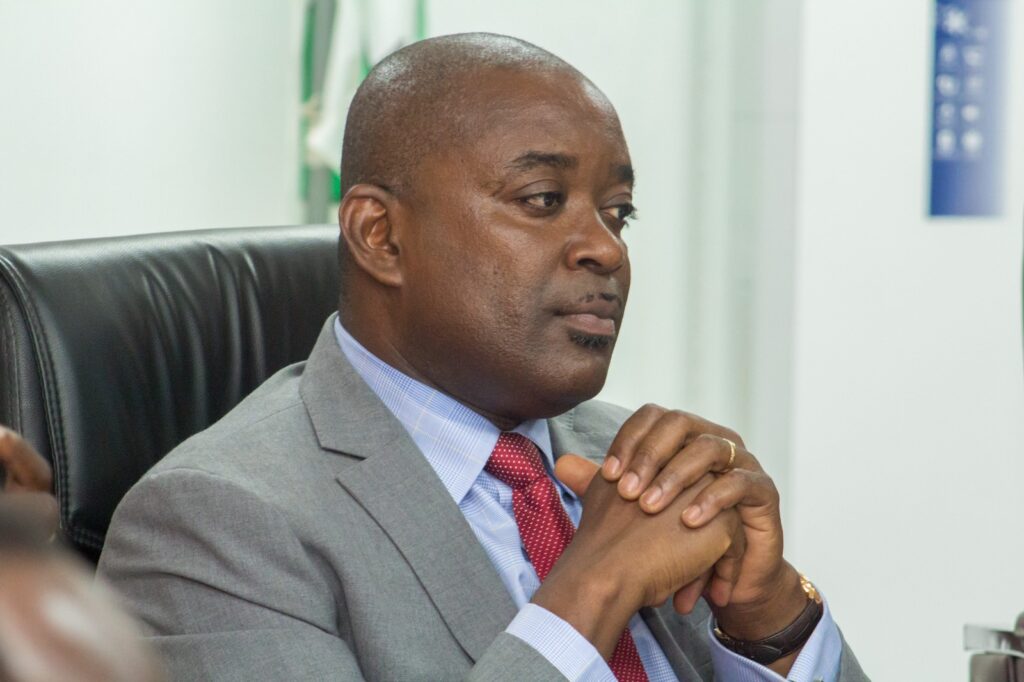
The Education Minister reiterated that the Mahama administration remains fully committed to equitable access to tertiary education, noting that the government’s interventions were carefully designed to ensure that cost is never a barrier for qualified students seeking higher education.
Hon. Iddrisu reminded the leadership of tertiary institutions that education, particularly at the tertiary level, must not become a privilege accessible only to those who can afford it. In line with that vision, “the government, through GTEC, is expected to intensify oversight,” of university fee structures, ensuring compliance with existing regulations and government policy.


The Minister also revealed that the Ministry of Education is reviewing the policy that mandates the closure of private universities that fail to secure a presidential charter within 10 years of establishment.
The review, he said, follows numerous appeals from private institutions seeking more time to meet the operational and infrastructural requirements needed for independence.
The Education Minister explained that the review aims to strike a balance between maintaining academic quality standards and supporting private tertiary institutions that play a crucial role in expanding access to higher education in the country.
Student Loans and Reading Culture
The Minister also hinted that the government is considering a review of the interest rate structure of the Students Loan Trust Fund (SLTF) to make repayment fairer and more realistic, noting that the current regime – which compounds interest on loans for unemployed graduates – is mathematically and morally unfair.

“A student gets a loan, and that student gets out of school without any job, and you are compounding interest for the student mathematically; there is no fairness in that. So we may have to go back to the simple interest regime, but also not jeopardise the income security of those from whom the money is sourced”
Hon. Haruna Iddrisu, Minister of Education
Hon. Iddrisu also announced that the SLTF now covers law students, expanding access to include those previously excluded from the scheme.
The Trust Fund, which provides financial support to students in accredited tertiary institutions, will see its annual allocation increase from GHS 70 million to GHS 150 million in 2026 to enhance access and sustainability.
Touching on literacy and civic development, Hon. Iddrisu lamented Ghana’s declining reading culture and called for renewed national investment in library infrastructure. He described reading as central to learning outcomes and national consciousness, adding that libraries are indispensable to building an informed society.
“The reading culture in Ghana needs to improve. When you travel abroad, especially in the mornings, you will see almost everybody holding a newspaper, catching their breath on what is happening in the country. We generally have to look at the reading culture of Ghana”
Hon. Haruna Iddrisu, Minister of Education

He disclosed that during his regional tours, traditional leaders and educational stakeholders had repeatedly raised concerns about the deteriorating state of public libraries. He mentioned that the Ministry will soon present a motion before Parliament to ensure that every school has access to a functioning library facility.
“If we have the resources, we should be thinking about getting a digital library across our educational levels,” he said, adding that the government is exploring the option to promote research and reading among Ghanaian students.
The Ministry of Education reaffirmed that all policy reforms – from free tertiary education to the review of student loan interest and investment in literacy infrastructure – are aligned with President Mahama’s broader social agenda of inclusive and equitable education.
READ ALSO: 82.6% of Banks Expect Greater Financial Stability in 2026- BoG Survey