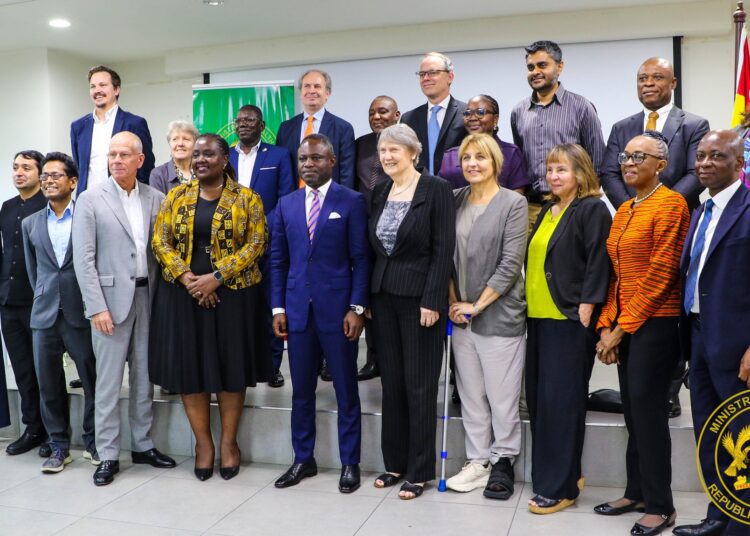
Ghana’s Ministry of Health has hosted a delegation from the Alliance for Health Policy and the Institute Research Board to explore a U.S.-led initiative promoting bilateral cooperation, with discussions focusing on advancing pathogen sharing frameworks and strengthening national health sovereignty through global partnerships, aiming to enhance preparedness and equitable access to health resources.
Minister for Health, Hon. Kwabena Mintah Akandoh emphasized Ghana’s unwavering commitment to attaining health independence through strategic investments in local healthcare systems, workforce development, and innovation.
He also underscored the importance of fostering robust global partnerships to enhance knowledge exchange, resource mobilization, and collaborative efforts toward sustainable health outcomes that enhance healthcare delivery across the country.
The minister for health revealed that about 45 percent of mortalities in Ghana are linked to Non-Communicable Diseases (NCDs) such as cancer, stroke, diabetes, hypertension complications, and kidney failure, which impose high costs on patients.

He emphasized that this has prompted the government of Ghana to establish a dedicated fund, the Ghana Medical Trust Fund (MhamaCares) to tackle Non-Communicable Diseases (NCDs) and support the Free Primary Health Care program, aimed at reinforcing community-level health systems.
The government’s established fund is also targeted at supporting infrastructure development, specialist training, and medical research, as it ultimately seeks to improve health equity and outcomes to ensure that no Ghanaian is denied critical treatment due to financial constraints.
Hon. Akandoh also emphasized the government’s proactive approach to tackling health workforce migration by reforming recruitment processes to align with national healthcare demands. He also underscored the importance of structured international partnerships aimed at balancing domestic needs with global opportunities.
He further underscored the importance of this dual strategy as it seeks to retain skilled professionals within Ghana while also fostering beneficial global exchanges that enhance capacity and sustainability in the health sector.
The Health Minister also stated that Ghana has signed Memoranda of Understanding (MoU) with 14 countries, demonstrating a strategic balance between maintaining national health sovereignty and fostering international cooperation.
These agreements, he emphasized, aim to strengthen partnerships, enhance workforce mobility, and support sustainable healthcare development through collaborative efforts that respect Ghana’s domestic priorities and global engagement.
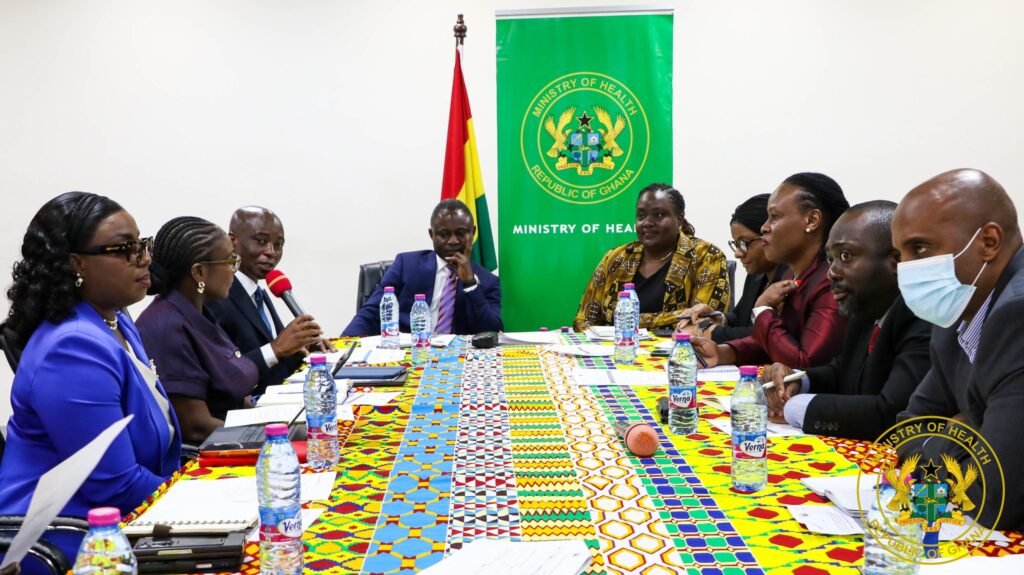
The minister revealed that Ghana has entered into a verbal agreement with an international partner to advance policy development for integrating Artificial Intelligence (AI) into the health sector, adding that the collaboration aims to harness AI’s potential to improve healthcare delivery, diagnostics, and data management.
Also, he noted that in addition to AI integration, the agreement includes support for retooling primary health facilities across the country by ensuring that they are equipped with modern technologies and infrastructure. This dual initiative, he emphasized, reflects Ghana’s commitment to innovation and strengthening its healthcare system, positioning the country to meet future health challenges with enhanced efficiency, accessibility, and resilience.
Madam Matshidiso Moeti, former World Health Organization (WHO) Regional Director for Africa, praised the government’s progressive health initiatives led by President John Dramani Mahama, highlighting the administration’s commitment to strengthening healthcare systems, enhancing access, and embracing innovation. Her commendation reflects international recognition of Ghana’s strategic efforts to improve public health and achieve sustainable development in the sector.

She praised Ghana’s significant achievements in health financing, particularly through the effective implementation of the National Health Insurance Scheme (NHIS), which has expanded access to essential healthcare services. Madam Moeti emphasized that Ghana’s achievements serve as a model for the continent and urged the country to share its expertise and innovative approaches with other African nations.
She noted that by doing so, Ghana can help foster regional collaboration and drive broader improvements in health systems across Africa, promoting equity and sustainability.
Hon. Akandoh reaffirmed that the Ministry’s foremost priority is the health and well-being of Ghanaians. He emphasized Ghana’s aspiration to become a continental leader in health sovereignty and equitable healthcare delivery, setting a benchmark for other nations through strategic policies, innovation, and a commitment to accessible, quality health services.
He therefore reassured Ghana’s commitment to collaborative engagements aimed at supporting the country’s quest for health sovereignty.
READ ALSO: Nigeria Approves 43 New Oil Fields to Unlock 1.7bn Barrels, 7.7tcf of Gas