The government has officially released the much-anticipated investigative report into the tragic August 6, 2025 helicopter crash that claimed the lives of eight prominent Ghanaians, concluding that the accident was caused by a sudden loss of altitude and lift due to a severe downdraft.
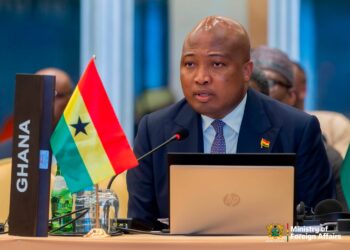
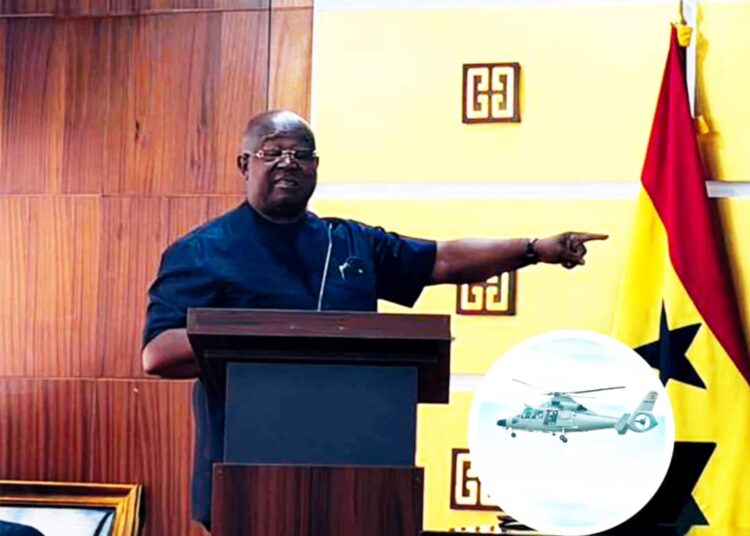
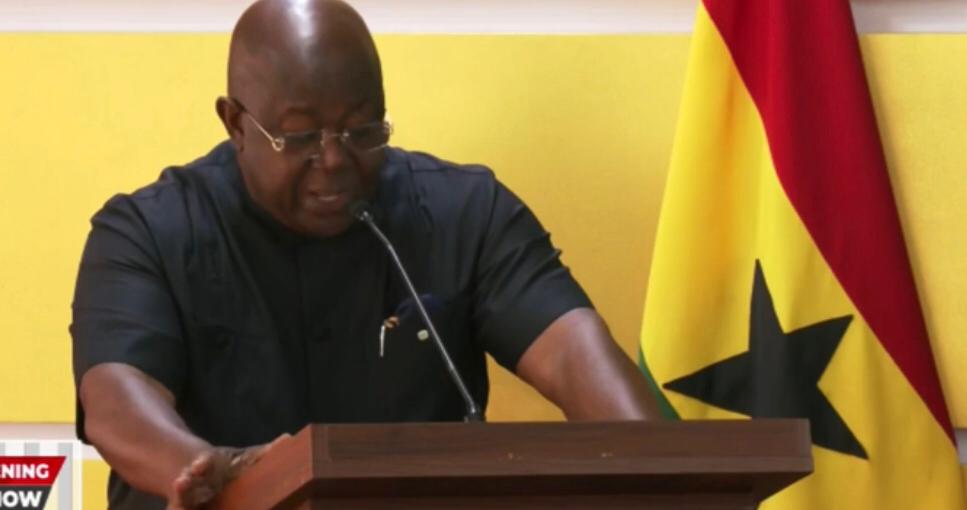
The report was presented at the Jubilee House by Captain Paul Forjoe, following a broader briefing led by the acting Defence Minister and Finance Minister, Dr. Cassiel Ato Forson, to the National Security Council chaired by President John Dramani Mahama on Monday, November 10, 2025.
According to the investigative team, the Air Force Z-9 helicopter, which was transporting senior government officials and military personnel, encountered an abrupt and powerful downdraft over high terrain, resulting in an uncontrollable loss of altitude despite no change in power or pitch attitude by the pilots.
“This loss of altitude without change in power or pitch attitude is consistent with downdraft associated with changing environmental conditions over high terrain”.
Captain Paul Forjoe
The Z-9 helicopter, which had been declared fully airworthy before takeoff, was signed off by the captain as serviceable. Investigators confirmed that the crew were fully competent and qualified, ruling out mechanical failure or human error as primary causes. The report stressed that “the Z-9 EH accident was an unfortunate and sudden weather-related accident.”

Systemic and Organisational Weaknesses
However, beyond identifying the immediate cause, the investigative team outlined systemic and organisational weaknesses that increased the vulnerability of military aviation operations to extreme weather conditions.
These weaknesses, the report noted, were not direct causes of the crash but constituted significant risk factors. The findings revealed gaps in Ghana’s national aviation infrastructure, citing “limited national navigational capability for en route and remote areas weather services.”
This meant that real-time meteorological conditions, especially in mountainous or rapidly changing environments, were not adequately monitored or relayed to pilots.
Additionally, the Air Force currently lacks essential surveillance technologies such as Secondary Surveillance Radar (SSR) and Automatic Dependent Surveillance-Broadcast (ADS-B), which allow continuous, real-time tracking of aircraft.
Training gaps were also highlighted. The investigation found that pilots did not have access to simulator training for recurrent scenarios, a critical requirement for modern aviation safety. There was equally no Flight Data Monitoring (FDM) system in place to analyse aircraft flight patterns and identify operational risks before incidents occur.
Comprehensive List of Safety Recommendations
In response to these systemic shortcomings, the investigative team outlined a comprehensive list of safety recommendations aimed at preventing future tragedies.
Chief among them is the urgent modernisation of the Ghana Air Force fleet, with emphasis on acquiring aircraft equipped with Terrain Awareness and Warning Systems (TAWS) and Enhanced Ground Proximity Warning Systems (EGPWS). These technologies are designed to alert pilots when aircraft approach dangerous terrain or sudden altitude changes.
The team also recommended investments in cockpit voice recorders and flight data recorders with audiovisual capabilities, enhanced ground support equipment, and the contracting of certified aviation weather providers.
They further called for flight simulators for periodic pilot training, en route navigational aids, and robust flight data and tracking systems to ensure persistent oversight of aircraft movements.
Captain Forjoe emphasised that these recommendations, if implemented swiftly, would transform the safety landscape of Ghana’s military aviation operations. “Implementing the safety recommendations will prevent recurrence of accidents,” he assured.
The crash, which sent shockwaves across the nation, resulted in the loss of some of the country’s most respected public servants. The victims included Dr. Edward Kofi Omane Boamah, then Minister for Defence; Alhaji Dr. Murtala Mohammed, then MP for Tamale Central and Minister for Environment, Science, Technology, and Innovation; and Alhaji Muniru Mohammed Limuna, then Acting Deputy National Security Coordinator.
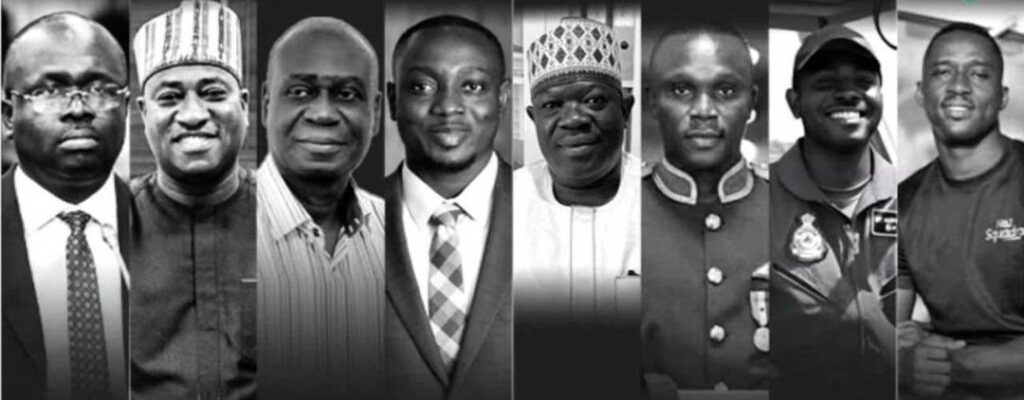
Others who perished were Dr. Samuel Sarpong, then Vice Chairman of the National Democratic Congress; Samuel Aboagye, then Deputy Director-General of NADMO; Squadron Leader Peter Anala of the Ghana Air Force; Flying Officer Tsum Ampadu of the Ghana Air Force; and Sergeant Ernest Addo of the Ghana Air Force.
As Ghana mourns the victims and reflects on the lessons of the August 6 crash, the investigative report provides both closure on the cause and a path forward—one that, if fully implemented, may avert similar heartbreak in the future.
READ ALSO: IMANI Warns Parliament Against Ratifying “Flawed” Atlantic Lithium-Ewoyaa Deal