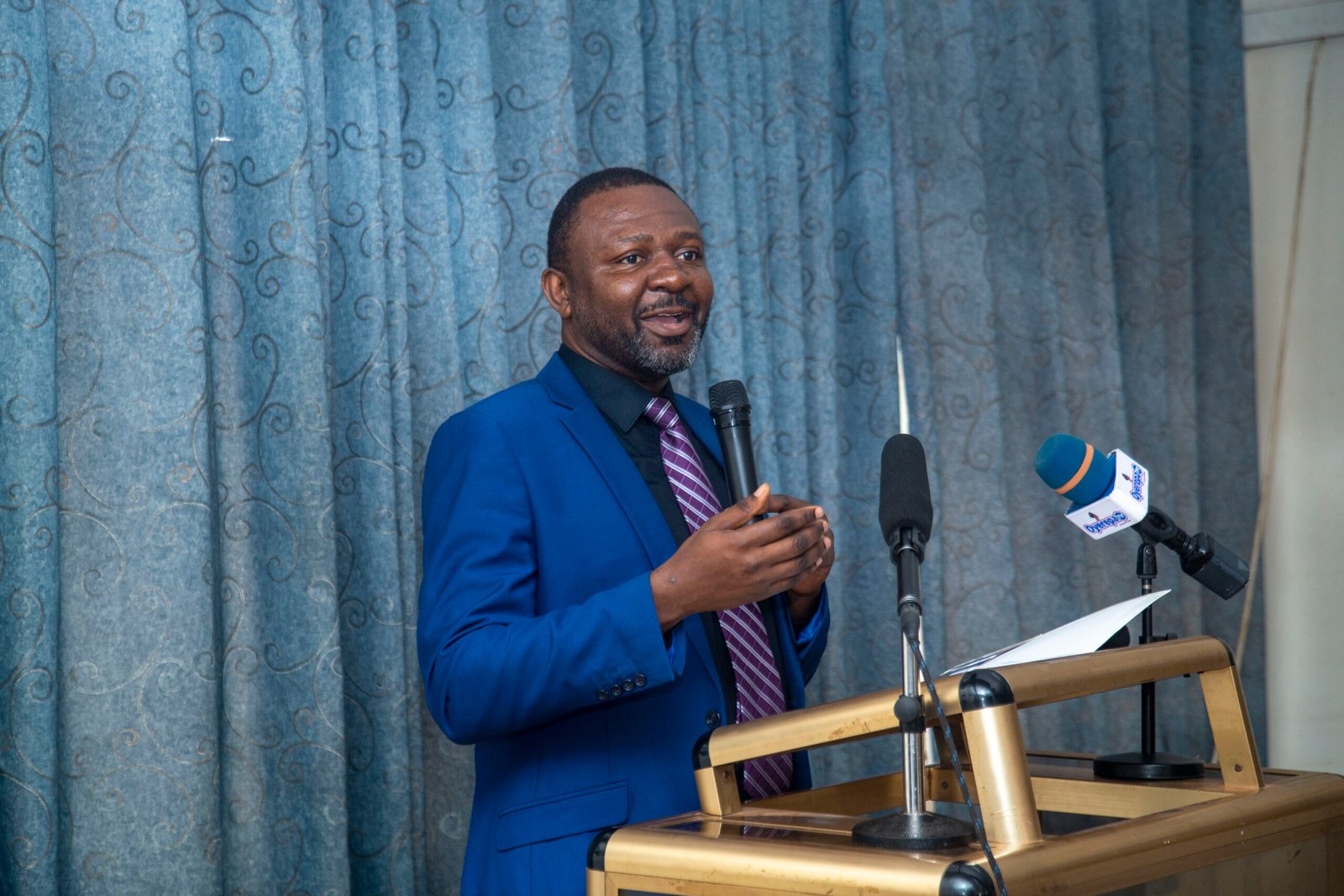
According to Williams Kwasi Peprah, a US-based Associate Professor of Finance, the 2026 Budget reveals deep fiscal challenges amid renewed optimism for Ghanaians.
In a presentation titled “Ghana’s 2026 Budget: Stability Gains, Fiscal Gaps, and the Rising Risk of Crowding-Out Effect,” the lecturer at Andrews University criticizes the fiscal gap and corresponding crowding-out effect that the 2026 Budget reveals.
These challenges presented by the 2026 Budget, he divulged, will possibly reduce private investment and consumption through increased borrowing and interest.
“When interest payments on existing debt are considered, the overall fiscal deficit widens considerably, that is, –2.2% of Gross Domestic Product on a commitment basis and –4.0% on a cash basis. The difference between the primary surplus and the overall deficit is a balancing gap of roughly 3.7% of GDP underscores the heavy weight of interest obligations on public finances.”
Prof. Williams Kwasi Peprah
Due to the high interest associated with Ghana’s debt, a fiscal deficit is likely to occur while servicing the debt. The gap borne from the difference between the government’s projected spending and its actual revenues over the 2026 financial year will cause a long-term structural deficit that requires policy changes like increased taxes and cuts in expenditure.
Prof. Peprah declared that when the government is able to increase revenue collection in a realistic way, which will not be so much, additional funds will be sought through borrowing to mitigate the shortfall created by debt interest.
He noticed that the government of Ghana, in the 2026 Budget, outlined key investments to boost infrastructure through the Big Push initiative, increase support for the agriculture sector, and increase funding allocation to education and health sectors. He added that “while these investments are crucial for inclusive growth, they also increase the demand for financing.”


Possible Crowding-Out Effect
The Associate Professor cautions the Minister of Finance and the government of the looming crowding-out effect if domestic borrowing surges in 2026. This comes on the back of the Finance Minister’s pronouncement of not going to the international market, but if need be, will borrow from the local market.
“A serious warning must be sounded: Ghana risks a severe crowding-out effect if domestic borrowing surges in 2026. Because the balancing gap remains large and interest payments continue to absorb a substantial share of resources, the Government will need to access more domestic credit to close its financing shortfall.”
Prof. Williams Kwasi Peprah
The crowding-out effect arises when the government competes with the private sector for the available yet limited financial resources in the economy, which then increases interest (cost of borrowing) as demand surpasses supply. This situation also makes it challenging for businesses to invest, thereby reducing private investment and consumption.

He asserted that domestic financing is expected to total GH¢ 71.9 billion, representing 4.4% of the country’s Gross Domestic Product (GDP). GH¢ 38.3 billion, of this amount, is projected to be sourced from commercial banks, while GH¢33.6 billion will be raised from non-bank sources, he added.
From his expertise, he believes that the government will mobilize funds largely through the issuance of both long-term and short-term government securities. This, he claimed, will move funds from the private sector to the government because giving your money to the government is the safest investment form, especially in an economy with high non-performing loans. It will be in the interest of banks to channel their funds to the government, while this puts the country at risk.
“When government becomes a dominant borrower in the domestic market, banks allocate more of their lending portfolio to ‘safe’ government securities, interest rates rise as the demand for credit increases, and the private businesses struggle to access affordable loans for expansion, investment, and production.”
Prof. Williams Kwasi Peprah
The 2026 Budget Gives Hope
On the whole, Prof. Peprah recognized the progress the country has made and the deliberate recalibration of the governance front of the country. He added that the Budget reflects fiscal discipline and ambitious development priorities.

He urged the government to keep a steady hand behind the wheel to guard the current macroeconomic gains and outlook of the country. Next year, he added, requires more discipline and focus.
“Whether Ghana can sustain growth in 2026 will depend on how effectively the government manages domestic borrowing, mobilizes revenue, and delivers investments without constraining private sector activity.”
Prof. Williams Kwasi Peprah
Therefore, he invited the government to be attentive to the underlying fiscal gaps, rising interest obligations, and the increasing likelihood of crowding out introduces caution.
READ ALSO: 2026 Budget Faces Harsh Reality Check as IMF Reveals Ghana’s Massive Tax Gap