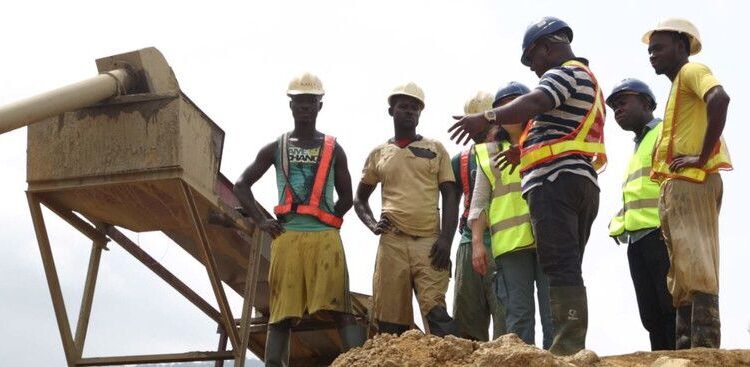
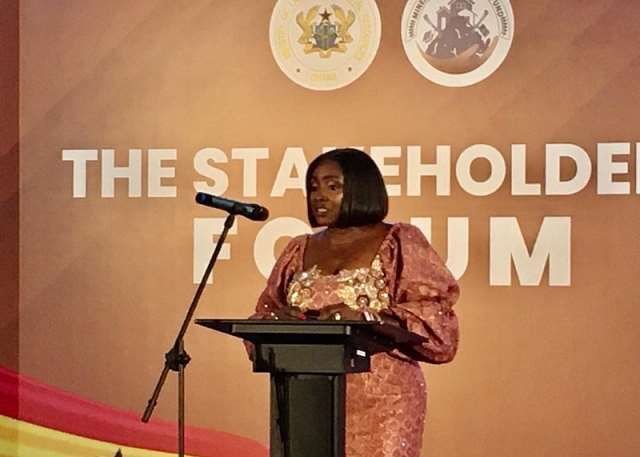
Minerals Development Fund’s (MDF) Administrator, Dr. Hanna Louisa Bisiw-Kotei has confirmed that the agency is actively pursuing a sustainable solution to the perils of illegal and irresponsible small-scale mining by championing chemical-free gold extraction methods.
This bold initiative addresses the urgent need to protect communities and the environment from the devastating effects of toxic substances like mercury and cyanide, which are commonly misused in the sector.
“ So the research team, in partnership with Lion King, which is a Ghanaian, you know, a Ghanaian engineer, Ghanaian. Yeah, represent Ghanaian. And we realised that we could research and do things together.”
Dr. Hanna Louisa Bisiw-Kotei
The MDF is pivoting its resources and capacity-building mandate to institutionalize cleaner mining practices, offering a viable, health-conscious alternative to traditional, dangerous methods.
This strategic move aims to transform the sector from a source of environmental and social catastrophe into a model of responsible resource exploitation.
This concerted effort by the MDF is a direct response to the alarming humanitarian and ecological crisis unfolding in mining communities.
Addressing the Human and Environmental Toll of Chemical Contamination
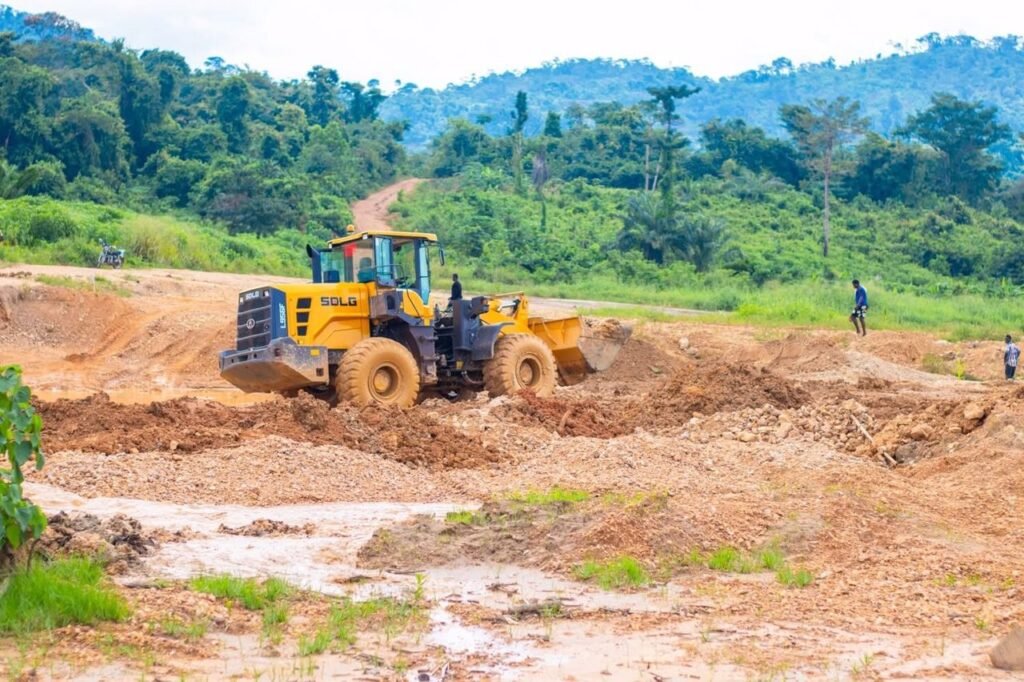
Irresponsible artisanal and small-scale gold mining (ASGM) utilizing mercury and cyanide poses a severe threat, impacting everything from human health to the ecological integrity of water bodies.
The practice of using mercury, a highly toxic heavy metal in amalgamation to recover gold is particularly perilous.
Miners often inhale its odorless, colorless, yet highly toxic vapor, especially during the burning of the amalgam, which can lead to severe, irreversible neurological damage and developmental problems, particularly in children.
Chronic exposure has been linked to adverse neurological effects such as tremors, memory impairment, and poor motor skills, as well as damage to vital organs like the kidneys.
Cyanide, though non-persistent in the environment like mercury, is acutely toxic and is frequently used to leach gold from ore, leading to the contamination of water sources, a lifeline for local communities.
The effects of this contamination are felt far beyond the mine site, as both chemicals can enter the food chain.
Methylmercury, for example, bioaccumulates, making its way from plankton to larger predatory fish, thereby posing a health risk to the broader population who consume these aquatic resources.
Furthermore, the invasive nature of illegal mining, which often ignores reclamation, leaves behind dangerous, uncovered pits and contributes to the widespread deforestation that disrupts ecological systems and contributes to climate change through carbon release.
The MDF’s chemical-free initiative, centered on gravity separation methods like the shaking table, offers a decisive countermeasure.
The Shaking Table: A Practical, Cleaner Alternative
The introduction of the shaking table method is the lynchpin of the MDF’s new direction. This is a gravity separation technique, relying solely on the difference in specific gravity (density) between gold particles and waste material to achieve separation .
Unlike chemical methods, the shaking table process involves crushing the ore, grinding it into a fine powder, and then mixing it with water to create a slurry.
This slurry is fed onto the table, which has specialized riffles and an inclined surface, and is continually shaken. The denser gold particles settle and are trapped, moving to a collection point, while the lighter waste materials (gangue) are washed away by the water flow.
This mechanical process eliminates the need for toxic substances, immediately curtailing the community and environmental health impacts associated with mercury and cyanide use.
The process is not only environmentally friendly but, when properly executed, can be highly effective in recovering fine gold particles, sometimes yielding higher recovery rates than traditional amalgamation methods.
By promoting this technology through a dedicated capacity-building and “learning centre,” the MDF is fulfilling a core mandate: to empower local miners with a technique that is both profitable and compliant with responsible environmental stewardship.
The final key component is the enforcement of immediate pit reclamation ensuring that after mining, the pits are covered, thereby stopping a major cause of accidental deaths in these areas.
Capacity Building for Sustainable Compliance

The MDF’s mandate extends beyond just introducing technology; it is strategically focused on education and compliance. The Fund’s initiative creates a learning centre to ensure that as people “will still go back and mine,” they are trained to “do it responsibly.”
This involves not only mastering the use of the shaking table but also adhering to crucial environmental practices, notably the immediate covering of pits. By providing this technical capacity, the MDF is transforming the local mining ecosystem.
It shifts the regulatory burden from purely enforcement-based actions, which can be difficult to sustain against thousands of small operations, to a model where safer, more sustainable practices are adopted by miners themselves as the practical and profitable alternative.
This proactive approach aims to stabilize the small-scale sector, making it an engine for local economic development without compromising human health or destroying the national environment.
The emphasis on local, Ghanaian-engineered solutions further strengthens national capacity in the extractive sector.
READ ALSO: Ghana Hosts Colombia’s Vice President as Both Nations Expand Strategic Ties