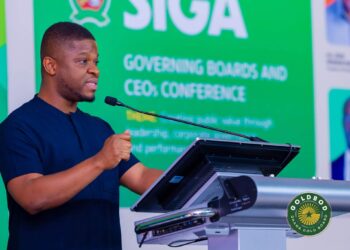
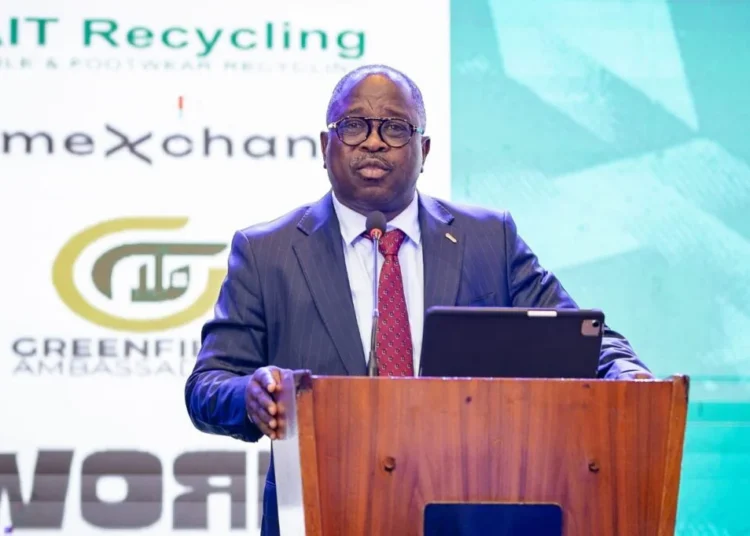
Hon. Baba Seidu Salifu, the Minister of State for Climate Change and Sustainability, has detailed a comprehensive roadmap for navigating the global shift toward renewable energy while ensuring that the economic interests of developing nations remain protected.
Speaking during the government’s Accountability Series, the Minister underscored the necessity of a structured transition that balances environmental imperatives with the practicalities of national development.
By convening high-level dialogues in partnership with the Fossil Fuel Treaty Initiative, the Ministry has set the stage for an international collaborative effort aimed at accelerating the move away from carbon-intensive fuels.
“The dialogue also provided an opportunity for stakeholders to exchange perspectives on climate finance needs, energy transition strategies, and the importance of ensuring that developing countries are supported in pursuing sustainable and equitable energy systems.”
Hon. Baba Seidu Salifu
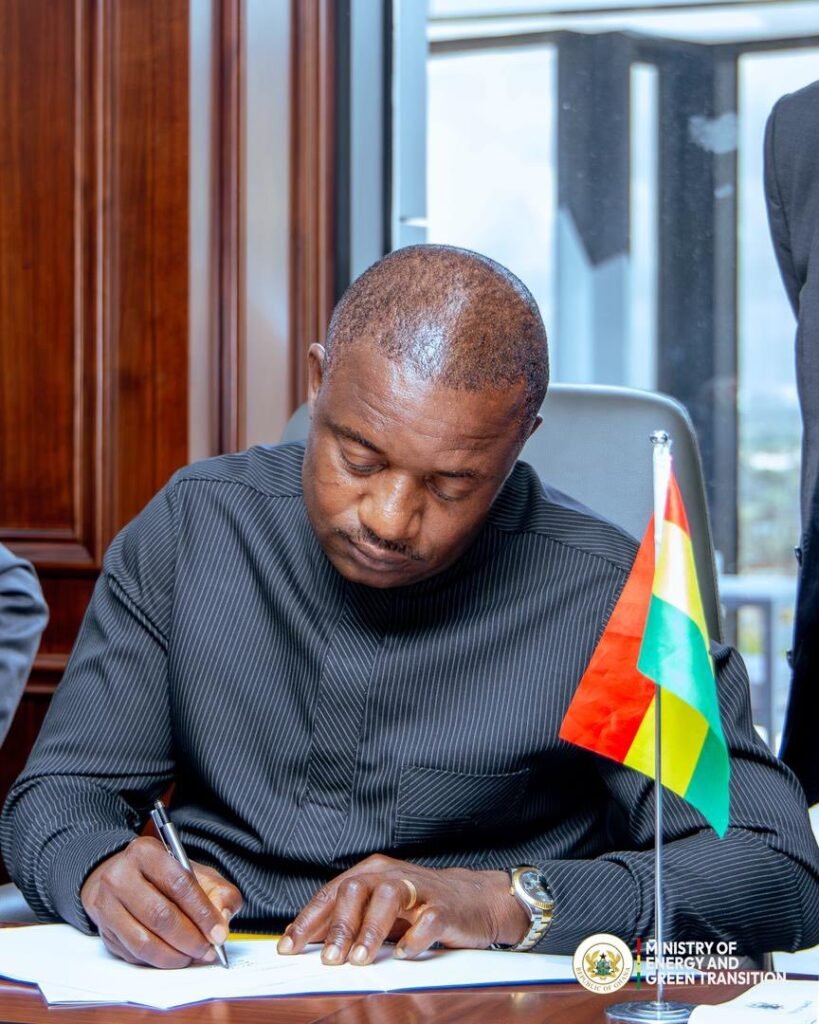
This strategic engagement serves as a critical junction for policymakers, researchers, and civil society organizations to scrutinize the diverse pathways available for managing energy shifts.
The discourse emphasized that for development economies, the transition is not merely a technical swap of energy sources but a fundamental restructuring of economic pillars.
Through these consultations, international partners and stakeholders have been able to exchange vital perspectives on climate finance requirements and the implementation of sustainable systems.
The Minister pointed out that ensuring equitable support for developing countries is a prerequisite for any successful global climate strategy, stressing that “safeguarding development priorities” must go hand-in-hand with carbon reduction targets.
Synergizing Water Security and Climate Resilience
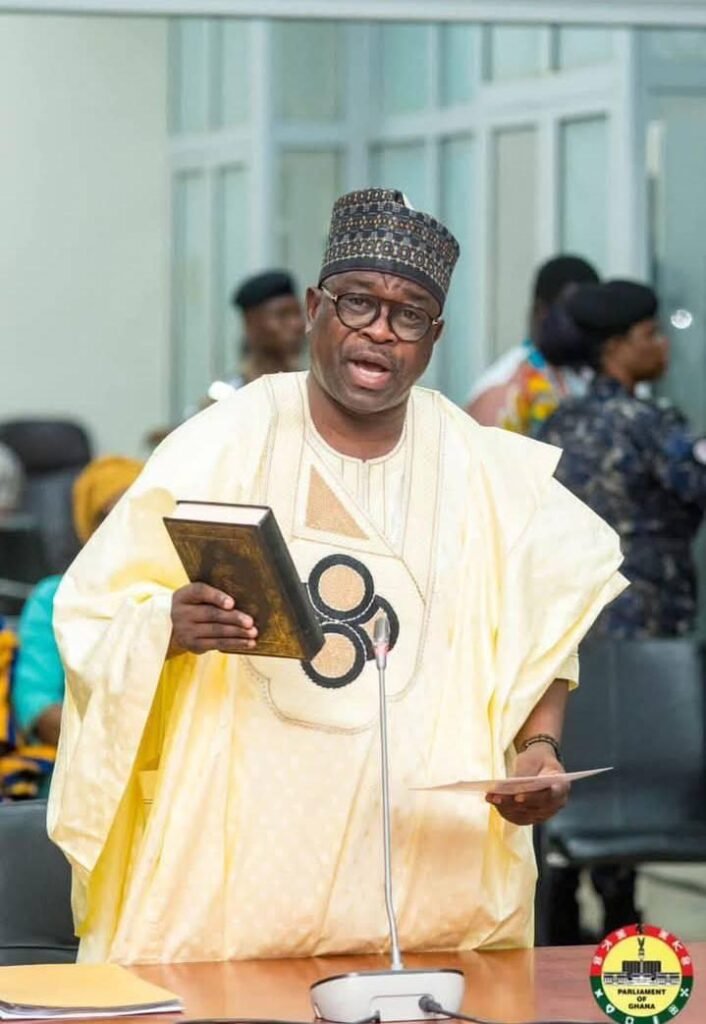
Beyond the scope of energy production, the Ministry has expanded its focus to the critical intersection of water, sanitation, and hygiene (WASH) and environmental stability.
In a co-organized consultation with WeatherAid Ghana, Hon. Baba Seidu Salifu brought together a broad coalition of institutional and private sector actors to address how water security is inextricably linked to climate resilience.
This platform allowed for the presentation of rigorous climate vulnerability assessments, which are essential for identifying the specific geographic and demographic areas most at risk.
By integrating WASH strategies into the broader climate agenda, the government is looking to “mobilize partnership and investment” in systems that can withstand the increasing frequency of extreme weather events.
The Minister noted that strengthening national planning for water security is a cornerstone of the state’s adaptation priorities.
This holistic approach ensures that as the nation pivots toward green energy, the fundamental resources required for human life and industrial process specifically water are managed with the same level of strategic foresight.

Advancing Ghana’s Energy Agenda Through Green Transition
The energy transitions outlined by the Minister are poised to significantly enhance Ghana’s national energy agenda by diversifying the power mix and reducing the fiscal volatility associated with imported fossil fuels.
Furthermore, the transition facilitates Ghana’s entry into the burgeoning global green hydrogen market and carbon credit trade.
By establishing a clear regulatory framework during these high-level dialogues, the government is signaling to private investors that Ghana is a “prime destination for sustainable energy capital.”
This alignment with global standards not only attracts foreign direct investment but also fosters local innovation in clean-tech industries.
The transition acts as a catalyst for human capital development, as new technical roles are created in the maintenance and management of renewable infrastructure.
Strengthening Frameworks for Sustainable Development
To ensure these transitions are lasting, the Ministry is prioritizing the institutionalization of “equitable energy systems” that prevent the marginalization of vulnerable communities.
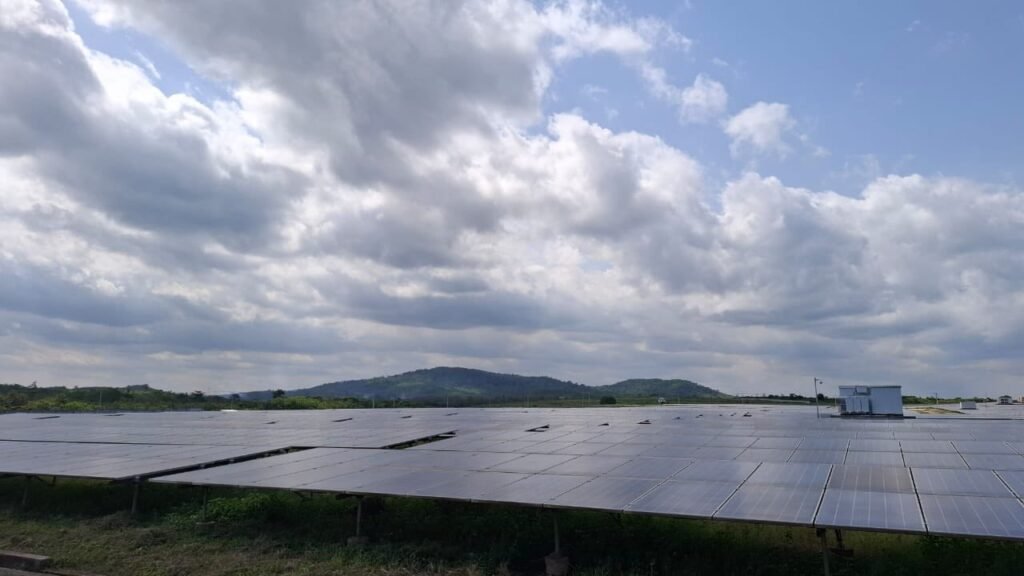
The dialogue process highlighted that the implementation for development economies must include a robust social safety net and retraining programs for workers in traditional energy sectors.
By focusing on “sustainable and equitable energy systems,” the Ministry is ensuring that the transition does not lead to energy poverty, but rather to an era of “energy abundance and inclusivity.”
The collaboration with international partners like the Fossil Fuel Treaty Initiative provides Ghana with the diplomatic leverage to advocate for fairer climate finance terms.
As the Minister noted during the series, the goal is to create a blueprint that other developing nations can emulate.
Through meticulous planning, stakeholder inclusion, and a firm commitment to “national water security,” Ghana is positioning itself as a leader in the sub-Saharan African climate response, proving that environmental stewardship is the most viable path to long-term economic prosperity.
READ ALSO: Minority Leader Slams EOCO Over Fmr. Buffer Stock CEO and Wife’s Re-Arrest