

Global renewable energy capacity recorded a historic surge in 2025, reaching 5,149 gigawatts (GW) after adding 692 GW within a single year, according to a new report by the International Renewable Energy Agency.
The latest Renewable Capacity Statistics 2026 shows that renewables accounted for 85.6 percent of all new power capacity additions, further cementing their dominance over fossil fuels in global energy expansion.
This marks a 15.5 percent annual increase, underscoring the accelerating shift toward cleaner energy sources at a time of heightened geopolitical uncertainty and market volatility.
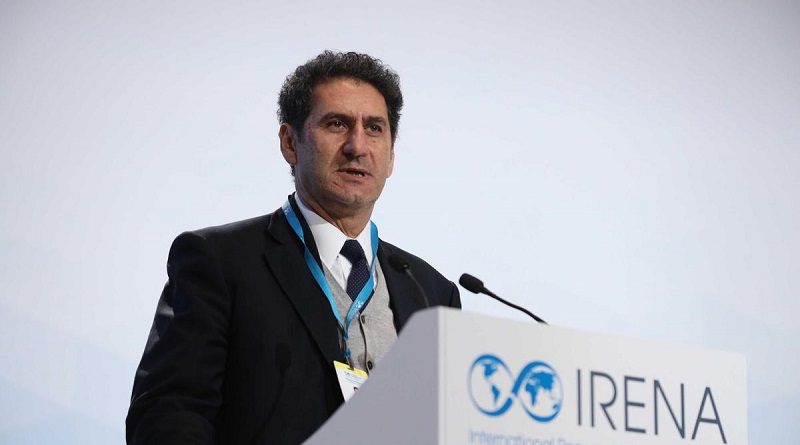
The agency’s Director-General, Francesco La Camera, highlighted the resilience of renewable energy in the face of global disruptions.
“In the midst of uncertain time, renewable energy remains consistent and steadfast in its expansion,” he said, adding that the trend reflects both market preference and structural strength.
He emphasised that decentralised energy systems powered by renewables are inherently more resilient, particularly during crises that disrupt traditional fuel supply chains.
Countries that have invested heavily in renewable energy, he noted, are better positioned to weather economic shocks while strengthening energy security and competitiveness.
Geopolitical Tensions Drive Shift to Clean Energy
The rapid expansion of renewables comes against the backdrop of renewed geopolitical tensions, particularly in the Middle East, which have raised concerns about fossil fuel supply disruptions and price volatility.
Such developments have reinforced the importance of energy systems that are less dependent on imported fuels and global supply routes.
Renewable energy, being locally generated and increasingly cost-effective, is emerging as a key solution to reduce exposure to international market shocks.
The report suggests that countries prioritising renewable energy adoption are gaining a strategic advantage by insulating their economies from external risks.
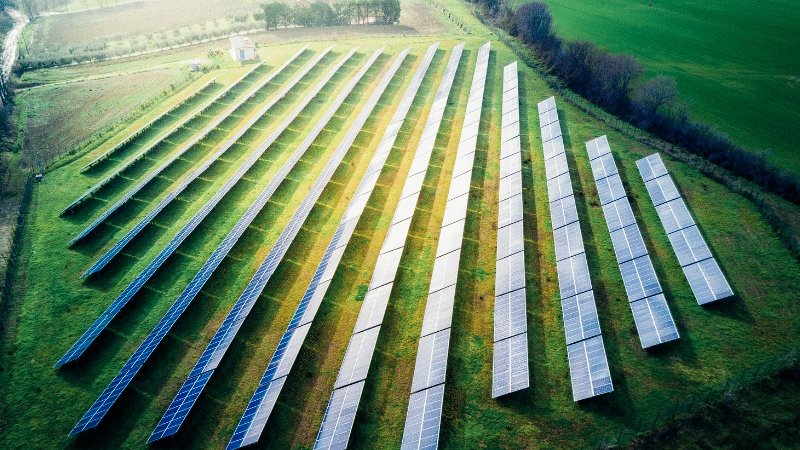
Solar and wind energy continued to lead global renewable capacity growth, accounting for the vast majority of new installations in 2025.
Solar energy alone contributed 511 GW, representing roughly 75 percent of total renewable additions, while wind energy followed with 159 GW.
Together, these two technologies accounted for an overwhelming 96.8 percent of all new renewable capacity, reflecting their declining costs and scalability.
Solar photovoltaics remained the dominant technology within the solar segment, making up nearly the entire increase in solar capacity.
Regional Disparities Persist Despite Growth

While global growth figures remain impressive, the report highlights significant disparities in renewable energy development across regions.
Asia maintained its position as the global leader, contributing 74.2 percent of new renewable capacity additions and reaching a total of 2,891 GW.
Europe followed with 934 GW, while regions such as Central America and the Caribbean lagged significantly behind with just 21 GW in total capacity.
Africa recorded its highest-ever annual increase, growing by 15.9 percent and adding 11.3 GW, driven by countries such as Ethiopia, South Africa, and Egypt.
The Middle East also saw notable growth of 28.9 percent, largely led by Saudi Arabia, signalling a shift toward renewable energy even in traditionally oil-dependent regions.
Beyond solar and wind, other renewable technologies also contributed to capacity expansion, though at a more modest pace.
Hydropower added 18.4 GW, with China accounting for the majority of new capacity, while bioenergy recorded a 3.4 GW increase led by Japan, China, and Brazil.
Geothermal energy saw incremental growth, adding 0.3 GW, with contributions from countries including the Philippines and Indonesia.
Off-grid renewable solutions also expanded, particularly in regions lacking access to centralised power systems, with solar playing a leading role in these deployments.
These trends indicate a growing diversification of renewable energy technologies, even as solar and wind remain dominant.
Energy Security Driving Renewable Investments
The report underscores the link between renewable energy expansion and energy security, particularly in an era of increasing geopolitical instability.
By reducing reliance on imported fuels, renewables offer countries greater control over their energy supply and pricing.
This is especially critical for developing economies, where energy costs and supply disruptions can have significant economic consequences.
The findings suggest that increasing renewable capacity is not only an environmental imperative but also a strategic economic decision.
Despite record growth, the report highlights the need for more balanced global development in renewable energy.
Regions with low capacity remain vulnerable to energy insecurity, underscoring the urgency of accelerating investments in underserved areas.
The disparity between high-capacity regions and those lagging behind presents both a challenge and an opportunity for policymakers and investors.
Expanding access to renewable energy in these regions could play a crucial role in achieving global energy equity and sustainability goals.
The continued rise in global renewable energy capacity signals a clear shift in the direction of the energy sector.
As costs decline and technologies improve, renewables are expected to play an increasingly central role in meeting global energy demand.
The IRENA report reinforces the view that the transition to clean energy is not only underway but accelerating, driven by both economic and geopolitical factors.
For governments and industry stakeholders, the challenge now lies in sustaining this momentum while ensuring that the benefits of renewable energy are shared more evenly across the world.
READ ALSO: Government to Commence Recruitment of 7,000 Teachers from April 10