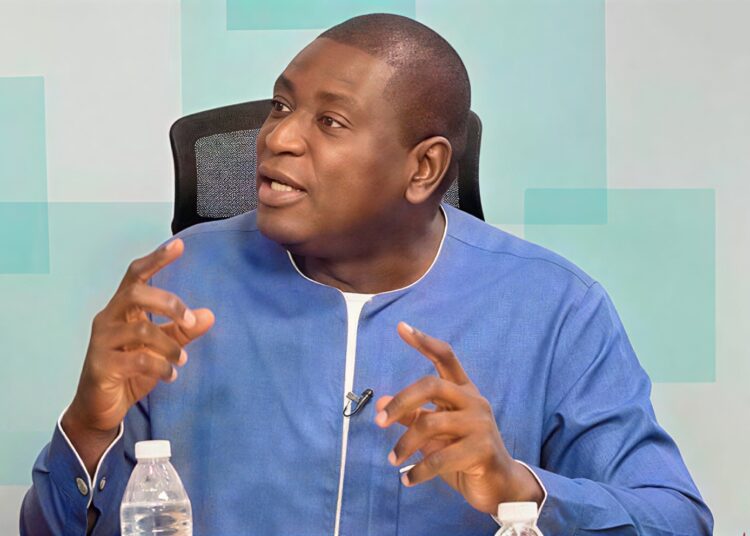
A Communications member of the New Patriotic Party and energy expert, Kwadwo Poku has argued that the previous administration handled currency stabilisation measures with caution to avoid economic shocks. He explained that the New Patriotic Party introduced several interventions with a clear understanding of the risks associated with aggressive currency control measures.
Poku stated that initiatives such as the domestic gold purchase programme and the gold for oil policy were introduced to strengthen foreign exchange reserves and ease pressure on the cedi. Nonetheless, the policies were designed to support the economy gradually while safeguarding long term financial stability.
The NPP Communications Member indicated that the leadership at the time paid attention to technical advice from the Bank of Ghana before implementing the policies.
“The governor at the time knew his onions. He cautioned the government at the time that look, you can do this, push the currency down, but these are your pros and these are your cons. And we listened, and we basically hasted slowly.”
Kwadwo Poku
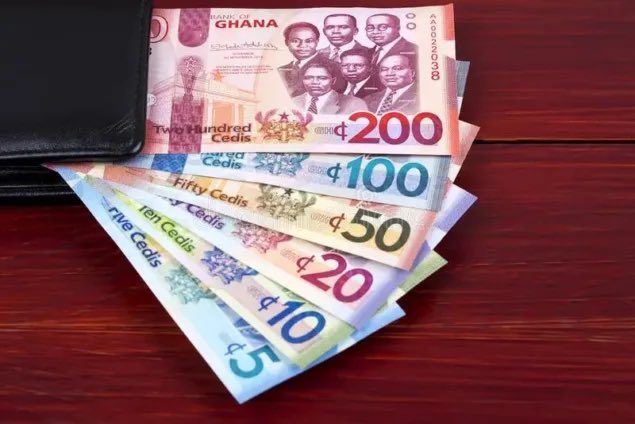
From his view, the current administration adopted the same blueprint after assuming office and accelerated the intervention strategy. He claimed the pace of the interventions pushed the cedi down significantly within a short period and created concerns about sustainability.
The politician explained that stabilising a currency involves balancing market confidence with reserve management. He added that governments must remain conscious of the long term effect of rapid interventions on the economy and national reserves.
On the issue of political accountability, Poku argued that economic programmes should be assessed on sustainability and not temporary exchange rate movements. He stressed that strong economic planning required patience, fiscal discipline and coordination between the government and the central bank.

He further suggested that the NPP’s economic approach centered on preserving reserves while maintaining confidence in the local currency. According to him, the previous administration avoided excessive interventions because policymakers understood the implications of depleting reserves too quickly.
Poku also pointed out that currency stability depends heavily on market confidence and prudent management of available resources. He added that economic managers need to be transparent with citizens about the challenges associated with exchange rate management.
The politician noted that the debate surrounding the cedi should focus on practical economic strategies. He explained that economic pressures require technical solutions grounded in data, reserve planning and fiscal restraint.
He insisted that Ghana’s currency challenges could not be resolved through short term actions alone. Furthermore, he stated that durable policies capable of supporting reserves and investor confidence would remain critical to sustaining stability in the economy.
Dollar Demand Puts Spotlight on Reserve Management Strategy
Kwadwo Poku cautioned that Ghana’s foreign exchange management challenges continue to place pressure on the country’s reserves and future obligations. He explained that the Bank of Ghana currently faces difficult decisions as it attempts to stabilise the cedi while preserving enough reserves for debt servicing commitments.
The politician stated that countries usually rely on different exchange rate systems depending on economic conditions and reserve strength. He noted that Ghana currently operates a managed float system where interventions are used periodically to control volatility in the foreign exchange market.
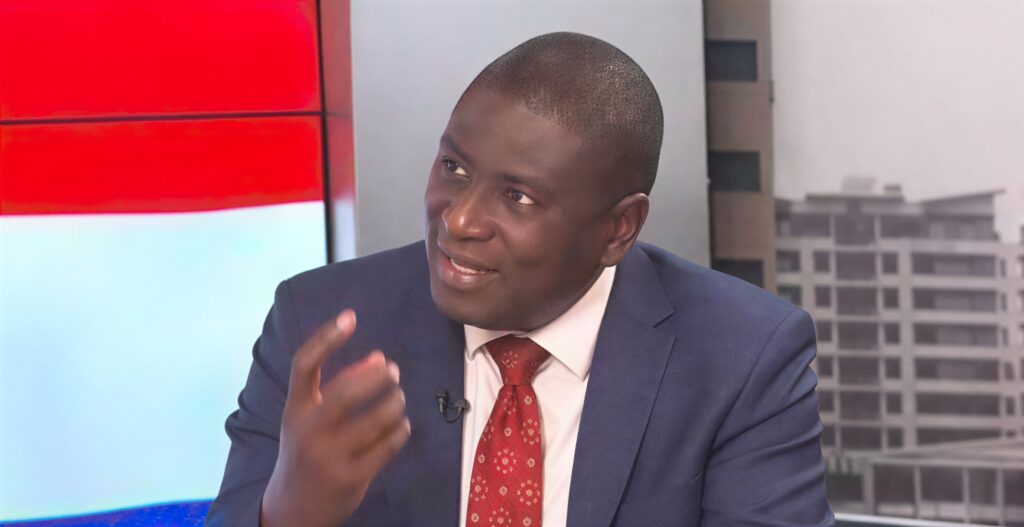
He further noted that the major challenge confronting the economy is the persistent demand for dollars within the market. He argued that the high appetite for foreign currency continue to weaken the cedi.
“Demand for the dollar is what is driving this. There are people demanding dollars and we do not have enough supply to meet the demand.”
Kwadwo Poku
Poku explained that previous interventions relied heavily on the strategy of using cedis to purchase gold before converting the gold into foreign exchange. He indicated that the approach created additional forex inflows which supported the cedi during periods of pressure.
The NPP Communications Member however warned that excessive intervention could reduce reserves needed for future national obligations. He stated that the government would require substantial dollar reserves next year to settle external commitments and maintain confidence in the economy.
The politician suggested that continuous forex injections without structural reforms would create long term pressure on the economy. He explained that the country needed policies capable of reducing demand for dollars within the domestic market.
“If you have a beast that likes meat and you keep feeding it without taming it, eventually every container of meat will finish.”
Kwadwo Poku
Poku also disclosed that the Bank of Ghana previously relied on swap arrangements with international financial institutions to manage periods of low dollar inflows. He stated that such arrangements provided temporary support whenever export earnings or borrowing inflows declined.
He further challenged the government to identify policies specifically aimed at reducing demand for foreign currency in the economy. In his view, lasting currency stability would depend on reforms that strengthen domestic production, increase exports and improve reserve sustainability over time.