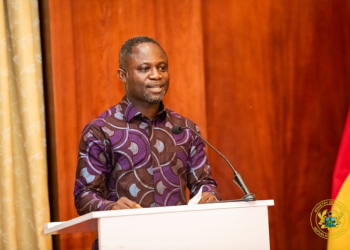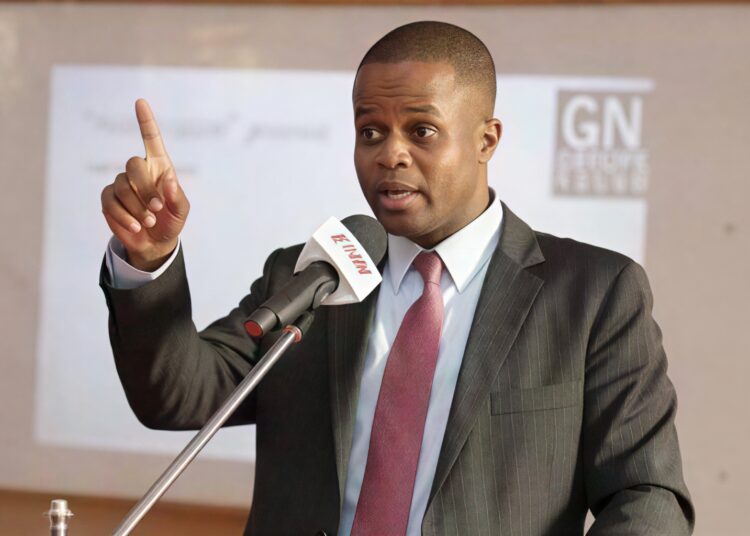
President of Groupe Nduom Ghana, Dr. Nana Kweku Nduom has recounted that the challenges GN Bank faced intensified after regulators increased the minimum capital requirement for banks in Ghana. He explained that the institution had enough assets to satisfy the new requirement although disagreements later emerged with the Bank of Ghana over the valuation of those assets.
He noted that the bank entered several discussions with the regulator while attempting to address concerns linked to contractors and delayed government payments. He disclosed that the Bank of Ghana subsequently proposed that GN Bank downgrade into a savings and loans institution while negotiations continued.
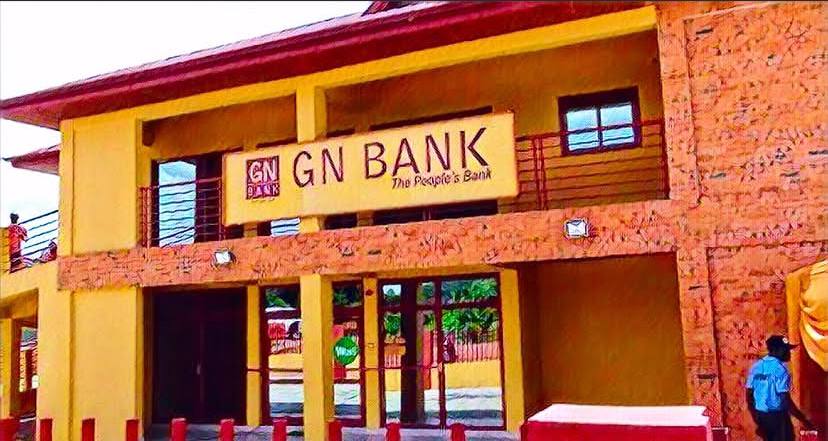
Dr. Nduom indicated that the transition was presented as a temporary arrangement intended to preserve operations until outstanding issues were resolved. From his view, the institution possessed sufficient capital to continue operating at least as a savings and loans company throughout the period under review.
He acknowledged that the race by financial institutions to meet the new capital threshold created uncertainty across the banking sector at the time. Furthermore, he suggested that public commentary surrounding institutions that allegedly failed to meet the requirement contributed to panic withdrawals among customers.
“The Appeals Court felt they had not done enough and had not gone through the right process to prove that we were insolvent.”
Dr. Nana Kweku Nduom
President of Groupe Nduom, Dr. Nduom further explained that the institution interpreted its balance sheet differently from the regulator during the negotiations. He added that the disagreement centered heavily on assets connected to contractors who were facing payment difficulties because state agencies owed them significant sums.
Dr. Nduom stressed that the institution had expanded aggressively across the country before the regulatory challenges emerged. He noted that the bank operated close to 300 branches and had positioned itself to provide services in underserved communities.
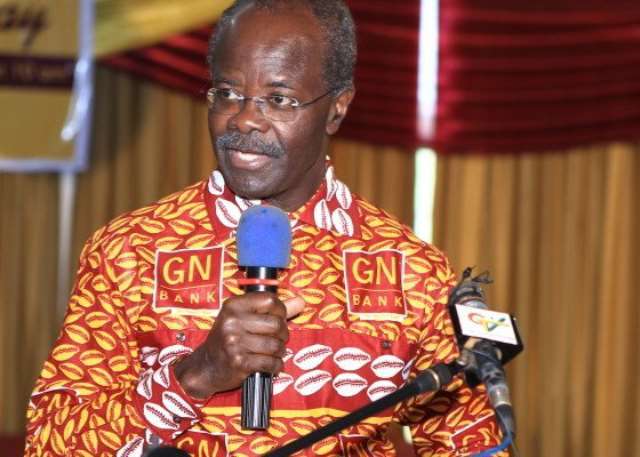
He pointed out that becoming a universal bank created opportunities to provide additional financial services to customers nationwide. In addition, he remarked that the expansion strategy had enabled the institution to increase financial inclusion in areas where formal banking services was limited.
Dr. Nduom also addressed the recent Court of Appeal ruling concerning the revocation of the bank’s licence. He disclosed that the court had quashed the revocation and directed the reinstatement of the licence although the detailed ruling has not yet been released to the parties involved.
According to him, the legal process exposed important questions about how insolvency was established in the case. He suggested that the appellate court expected stronger justification and clearer procedures before such a major regulatory decision could be enforced.
The President of Groupe Nduom Ghana explained that future engagements with the receiver and the Bank of Ghana would determine how remaining assets and revenues are accounted for moving forward. Moreover, he expressed hope that transactions conducted during the period would withstand scrutiny and avoid further legal complications.
Thousands Of Jobs Affected After GN Bank Closure
President of Groupe Nduom Ghana, Dr. Nana Kweku Nduom disclosed that the collapse of GN Bank affected thousands of direct and indirect jobs across the country. He explained that the institution’s nationwide presence created economic activity in several districts where branches operated.
Dr. Nduom recounted that the bank employed nearly 3,000 workers during its peak years while additional jobs were created through security services, cleaning contracts and mobile banking operations. According to him, every district hosted a branch as part of the company’s strategy to reach underserved communities.

He stated that the wider Groupe Nduom structure included financial institutions, insurance companies, pensions management firms, manufacturing interests and hospitality businesses. In his view, the integrated nature of the businesses meant that difficulties facing the bank eventually affected several other companies within the group.
President of Groupe Nduom, Dr. Nduom explained that many companies within the group also kept their deposits with GN Bank before the licence revocation. He noted that the closure disrupted access to those funds and created operational challenges for associated businesses.

“When the bank’s licence was revoked, the deposits of many of our companies were locked up as well. While several individuals and businesses later regained access to their funds, many of our companies went through a long process before those funds were eventually released.”
Dr. Nana Kweku Nduom
Dr. Nduom also revisited the institution’s mission of extending financial services to communities often ignored by mainstream banks. He stressed that the bank sought to support traders, informal sector workers and residents in remote areas who previously struggled to access formal banking systems.
He further disclosed that the group estimated about 4,500 direct and indirect jobs had been affected since the licence revocation in 2019. Consequently, he argued that the economic impact extended beyond the banking sector into households and local economies connected to the institution’s operations.
READ ALSO: Succession Debate Can Wait While Governance Takes Priority — Osae-Kwapong