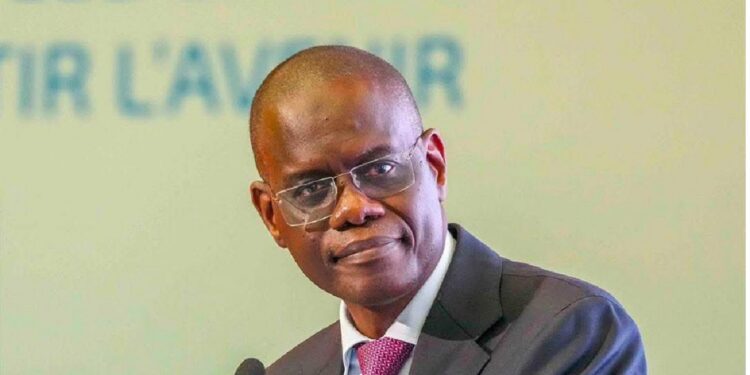
Senegalese President Bassirou Diomaye Faye has appointed veteran economist and former central banker Ahmadou Al Aminou Lô as the country’s new Prime Minister, days after dismissing Ousmane Sonko in a dramatic move that has intensified political tensions and raised fresh questions about the future of the ruling coalition.
The appointment comes as Senegal grapples with mounting economic challenges, including a debt burden estimated at 132 percent of gross domestic product and stalled negotiations with the International Monetary Fund (IMF).
The political fallout from Sonko’s removal has also added uncertainty to a government that swept to power in 2024 on promises of reform, transparency and economic renewal.
A presidential decree announcing Al Aminou’s appointment described him as a seasoned economist with extensive experience in finance and monetary policy. The new Prime Minister previously worked at the Central Bank of West African States and is expected to play a central role in efforts to restore investor confidence and navigate the country’s financial difficulties.

The leadership change follows President Faye’s decision to dismiss Sonko and dissolve the government after months of growing disagreements between the two men, who were once regarded as inseparable political allies.
Although Faye won the presidency in 2024, his rise to power was largely made possible by Sonko, the charismatic opposition figure whose popularity among young voters helped propel the ruling Pastef party to victory. Sonko had been prevented from contesting the presidential election himself because of a defamation conviction, leading him to back Faye as the party’s candidate.
Since taking office, however, differences have reportedly emerged over the direction of government policy, particularly regarding how to address Senegal’s worsening debt situation and relations with international lenders.
In his first remarks after being named Prime Minister, Al Aminou sought to reassure citizens and international partners about Senegal’s economic future. “Senegal is a safe and viable country and intends to remain so,” Lo stated, referring to the country’s “difficult financial situation” in his first statement after his appointment.
He added that, “this is not a change of direction but of method,” citing integrity and transparency and “economic and cultural sovereignty,” all of which Sonko had espoused.
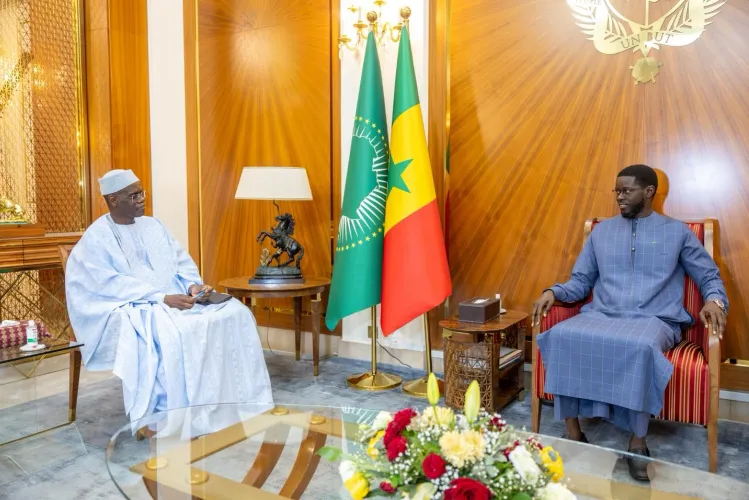
The new Prime Minister now faces the difficult task of helping steer Senegal through a period of economic uncertainty. Shortly after assuming power in 2024, Faye and Sonko accused former President Macky Sall’s administration of concealing part of the national debt. The revelations led to the suspension of a $1.8 billion IMF programme that had been agreed the previous year.
The dispute over how to resolve the country’s debt burden is widely seen as one of the main factors behind the breakdown in relations between Faye and Sonko. While the President has signaled a willingness to engage with the IMF and seek a new financial support programme, Sonko has advocated a more sovereign economic approach focused on domestic solutions and reduced reliance on international lenders.
Senegal Parliament Set for Showdown as Sonko Moves Toward Speaker Role
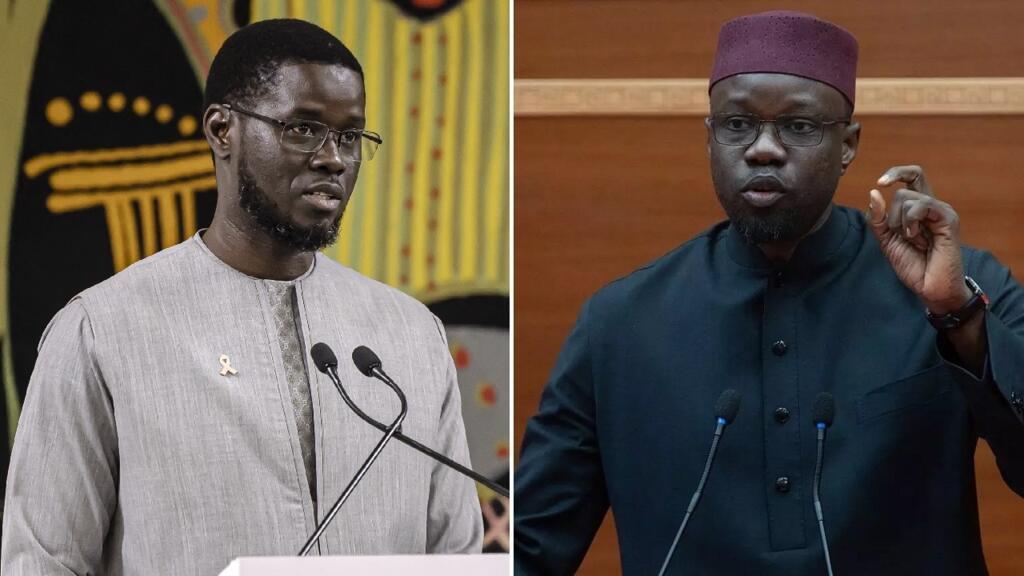
Moreover, Senegal’s parliament is expected to vote on the reinstatement of Ousmane Sonko as a member of the National Assembly and the election of a new parliamentary speaker, a move that could further deepen the political crisis gripping the West African nation.
The vote comes just days after President Bassirou Diomaye Faye dismissed Sonko as Prime Minister, ending months of growing tensions between the two longtime allies.
Adding to the uncertainty, National Assembly Speaker El Malick Ndiaye also announced his resignation. Ndiaye, a close ally of Sonko, stated he was stepping down ahead of Tuesday’s parliamentary session, a move widely seen as clearing the way for the former Prime Minister to contest the powerful position.
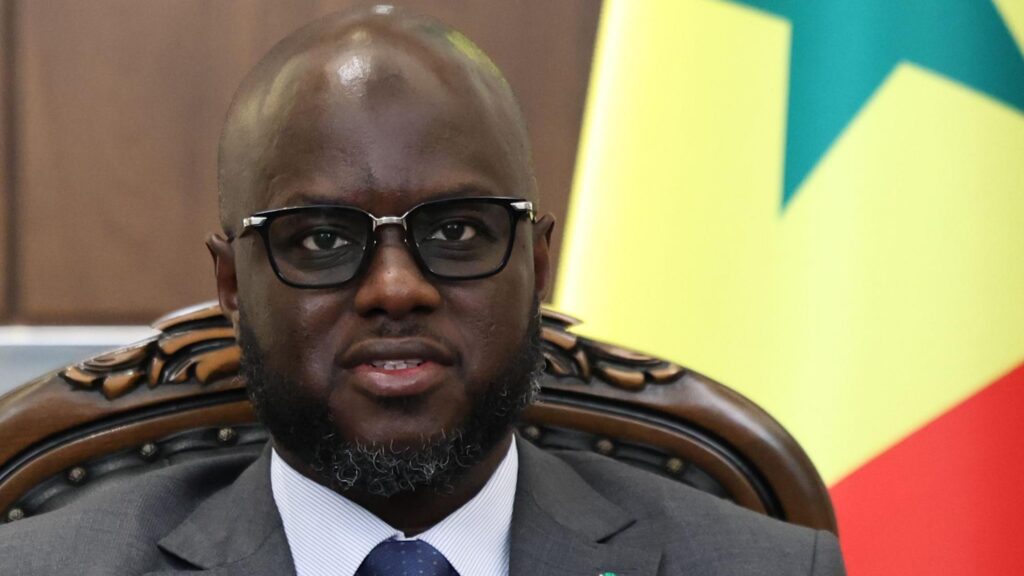
If elected speaker, Sonko would retain significant influence over Senegal’s political landscape despite his removal from the executive branch. His Pastef party controls 130 of the National Assembly’s 165 seats, giving it a commanding majority in the legislature.
The prospect of Sonko assuming leadership of parliament has drawn sharp criticism from opposition parties, which argue that the process raises constitutional and institutional concerns.
Opposition leader Aissata Tall Sall accused the ruling majority of attempting to push through an unconstitutional arrangement, describing the plan as an “institutional coup” prepared under “pressure that the majority wants to impose.”
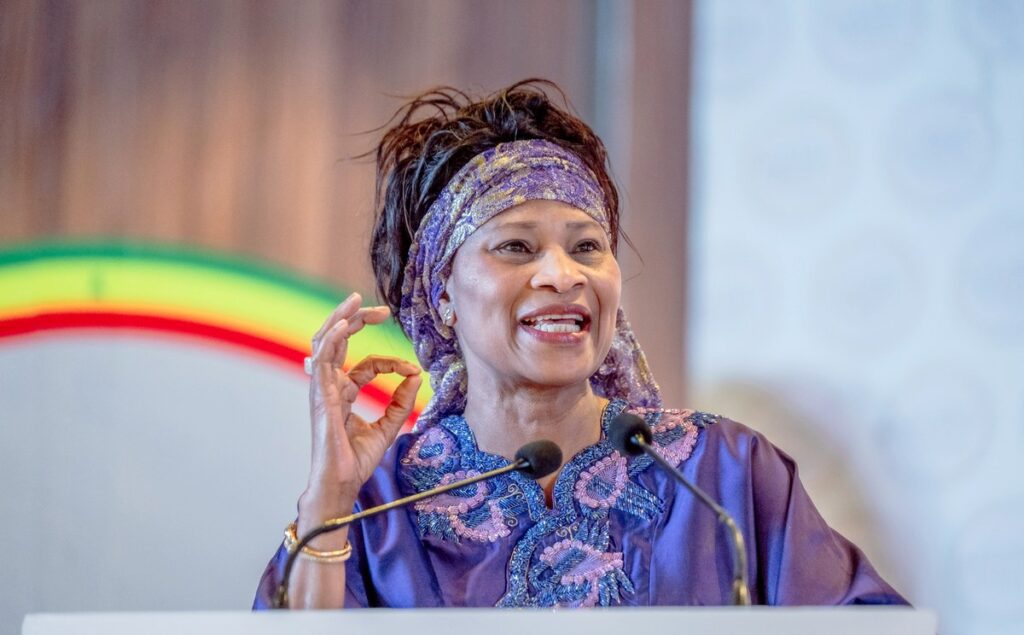
Sall argued that Sonko should have formally resigned as Prime Minister before seeking reinstatement as a lawmaker. She urged President Faye to seek clarification from the Constitutional Council to prevent what she called “an illegal diktat of the majority” and to protect Senegal’s democratic institutions.
READ ALSO: Baba Rahman Returns as Queiroz Names Ghana Squad for Wales Friendly