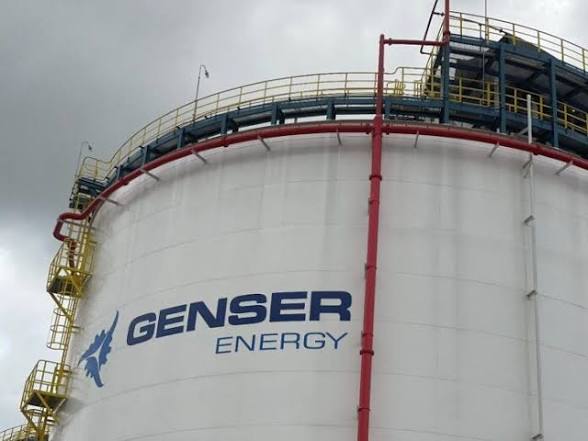
Genser Energy has secured a €456 million, equivalent to about US$527 million, financing package to accelerate its gas-to-power investments in Ghana and support expansion into other West African markets.
The funding provides a substantial capital base for the privately owned energy company at a time when Ghana’s electricity sector faces two competing demands: expanding reliable generation for industry while keeping the cost of power commercially sustainable.
The financing was arranged by South Africa’s FirstRand Bank, Absa Bank and Standard Bank through a combination of term and revolving credit facilities.
Genser says the proceeds will support ongoing engineering, procurement and construction works, strengthen working capital and provide additional capacity to pursue new projects.
For Ghana, the significance extends beyond the size of the financing.
The transaction demonstrates the scale of capital required to develop private energy infrastructure capable of supplying industrial customers and supporting the wider electricity system.
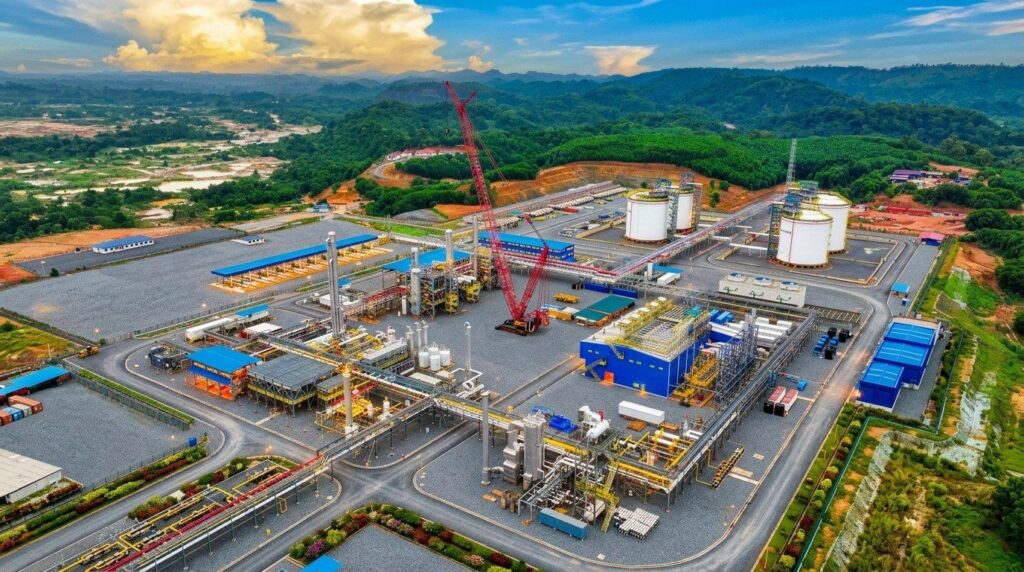
Genser has built its business around an integrated gas-to-power model, combining power generation with privately developed gas transportation infrastructure.
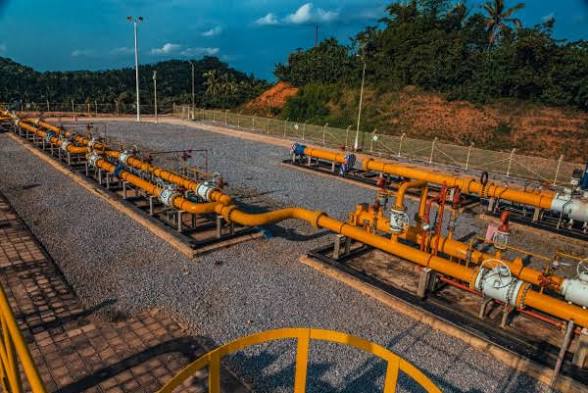
The company currently has more than 334 megawatts of installed generation capacity and operates a 436-kilometre natural gas pipeline network across Ghana.
That model has particular relevance to Ghana’s industrial economy, where reliable electricity remains a critical requirement for mining, manufacturing and other energy-intensive operations.
“This financing reflects the confidence our financial partners continue to place in that vision, and we are grateful for the support of RMB, Absa and Standard Bank.”
Baafour Asiamah-Adjei, Chief Executive Officer, Genser Energy
From More Generation To More Efficient Generation
A significant portion of the investment will go towards converting existing open-cycle gas turbine facilities into combined-cycle plants.
The distinction is important.
Combined-cycle technology captures heat produced during gas combustion and uses that heat to generate additional electricity, allowing more power to be produced from the same fuel input.
For an energy company operating in a market where fuel costs can determine the competitiveness of electricity, improving the amount of electricity generated from each unit of gas can have a direct commercial impact.
The financing therefore represents more than an expansion of Genser’s physical footprint.
It is also an attempt to improve the economics of existing generation assets.
Genser is additionally preparing to commission a Gas Conditioning Plant and the Takoradi Natural Gas Liquids Export Terminal later this year.
Together with the company’s pipeline network and generation assets, the developments point towards a business model increasingly centred on controlling more links between gas infrastructure and electricity supply.
That strategy could become increasingly important as Ghana seeks to reduce the vulnerability of industrial power supply to disruptions in the wider electricity value chain.
Gas Supply Remains The Critical Constraint
The expansion, however, brings an important question into focus: where will the gas come from, and at what cost?
Genser currently sources natural gas from upstream producers rather than producing the fuel itself.
The company’s management has indicated that access to competitively priced gas will be critical to its longer-term expansion strategy.
That challenge is particularly relevant to Ghana, where domestic gas availability has to serve power generation, industrial consumers and other competing requirements.
Genser has also been examining potential gas supplies from Nigeria, where management says gas prices are significantly lower than prevailing prices in Ghana and Côte d’Ivoire.
A longer-term strategy envisages developing the logistics required to bring Nigerian gas into the company’s regional operations.
The commercial attraction is clear, but cross-border gas procurement would introduce additional infrastructure, regulatory and logistics considerations.
For Ghana, the development underlines a broader reality: expanding gas-fired generation without securing competitively priced and reliable gas risks creating generation capacity whose economics remain vulnerable to fuel costs.
Côte d’Ivoire Becomes The Next Major Frontier
Genser is also using the new financing to advance its regional expansion.
The company is preparing to begin construction of a planned 470MW gas-fired power project in Côte d’Ivoire, adding a major cross-border dimension to a business that began in Ghana.
The move reflects a wider shift in West Africa’s energy market.

Energy infrastructure is increasingly being developed with regional demand in mind, rather than solely around national electricity systems.
For Ghana, the regional strategy could have implications beyond competition.
A stronger Ghanaian-owned energy company operating across neighbouring markets could create opportunities for engineering, finance, infrastructure development and regional power trade.
It also places greater emphasis on Ghana’s ability to develop companies capable of exporting energy expertise and capital alongside electricity.
The Price Of Growth
Genser’s financing history also reveals a less comfortable side of the gas-to-power business.
The company says more than US$2 billion in debt and equity capital has been raised over time, while current debt stands at approximately US$1 billion.
The company is not yet profitable, according to its CEO, largely because revenues continue to be reinvested into expansion and financing costs remain substantial.

“Our financing cost almost eats up all the profit we would have ever made, but we will become profitable immediately we stop growing.”
Baafour Asiamah-Adjei, Chief Executive Officer, Genser Energy
That statement captures the central tension in infrastructure-led energy growth.
Building generation, pipelines and processing facilities requires enormous upfront capital, while returns emerge over a much longer period.
The planned equity raise of about US$350 million is consequently important because additional equity could reduce dependence on borrowing and provide greater room to manage the company’s debt burden while continuing its expansion.
The challenge is particularly relevant in an energy market where project costs have risen and financing conditions can materially affect the eventual cost of electricity.
A Bigger Signal For Ghana’s Energy Market
Genser’s latest financing should therefore be viewed as part of Ghana’s evolving private-sector energy landscape rather than simply another corporate fundraising exercise.
The company is attempting to build an integrated platform spanning gas infrastructure, power generation and regional energy markets.
If successfully executed, that model could strengthen private investment in Ghana’s energy infrastructure while supporting industrial customers with dedicated and more reliable power supply.
But the expansion also reinforces the importance of commercially viable gas supply.
Generation capacity alone cannot guarantee competitive electricity.
The cost and reliability of the fuel feeding that capacity remain fundamental.
For Ghana, the more important measure of Genser’s expansion will ultimately be whether additional investment translates into more efficient generation, dependable industrial power, stronger domestic infrastructure and commercially sustainable electricity costs.
The US$527 million financing gives the company the resources to pursue that objective.
The next test will be whether the infrastructure being built can convert that capital into competitive energy across Ghana and, increasingly, the wider West African market.
READ ALSO: FDA Probes Viral Claims of Plantain Ripening Chemicals at Medina